Inner Diameter
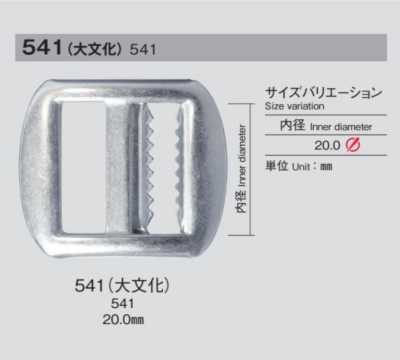
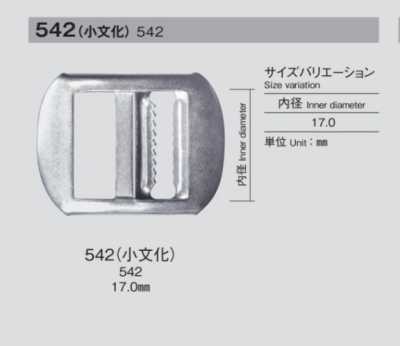
The inner diameter is the measurement of the inside of the hole or opening in components such as buckles, ring, and cord end, and is used as a standard for selecting the width and thickness of the tape, string, or cord to be threaded through.
Contents6 sections
Definition and Overview
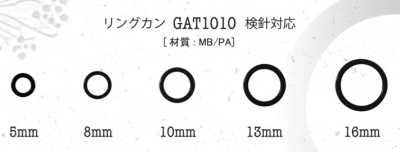
The inner diameter is the internal dimension of the opening through which tape, cord, string, and similar materials pass, rather than the outside of the component. For rings and similar hardware, it often refers to the width of the threading opening and serves as a basic indication for determining material compatibility.
The term inside dimension is used with almost the same meaning. However, for circular rings and cord ends, it may indicate not only the inner width but also the inner vertical dimension, or a combination of inner diameter and outer diameter.
Materials and Structure
Inner diameter is a dimensional designation and does not indicate a material name or the type of component. Applicable components include metal and resin types, and the effective opening width varies depending on the shape, such as square, D-shaped, round, or with a slide mechanism.
Even with the same stated inner diameter, ease of threading the tape and how neatly it settles after folding back differ depending on the wire diameter of the component, the roundness of the corners, the center divider bar, and whether there are moving parts.
How Sizes Are Expressed
The inner diameter of rings is often shown in millimeters as the inner width in the direction the tape passes through. For example, even if the inner diameter matches the tape width, it may still be difficult to thread depending on the tape thickness and weave stiffness.
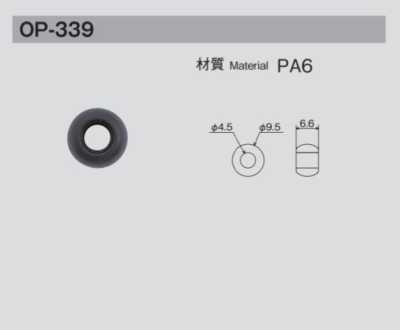
For round components, the inner diameter may be shown as the diameter, and for tubular cord ends, it may be shown by the inner vertical and horizontal dimensions. The outer diameter is the overall size of the component and is distinguished from the inner diameter, which directly indicates the tape width that can pass through.
- Inner diameter: the internal dimension of the threading opening or hole.
- Outer diameter: the overall dimension including the outer circumference of the component.
- Effective internal dimension: a concept for checking the actual range through which the material passes, excluding corners and divider bars.
Main Applications
Inner diameter is used when selecting D-rings, rectangle rings, slide adjusters, and buckle rings for bag handles and shoulder tape. Choosing a threading opening that matches the width of the belt or strap makes assembly and length adjustment easier.
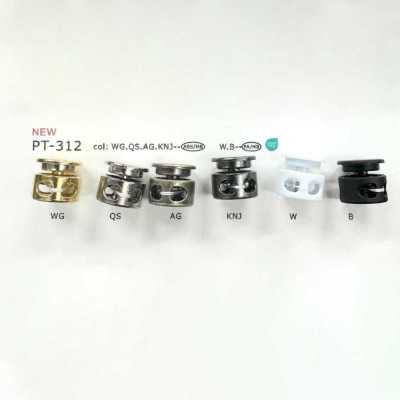
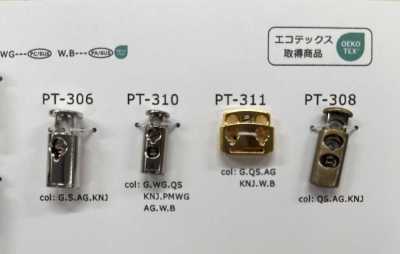
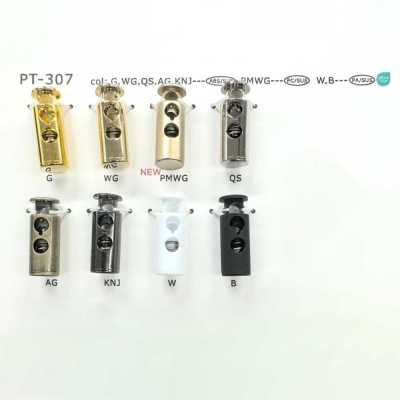
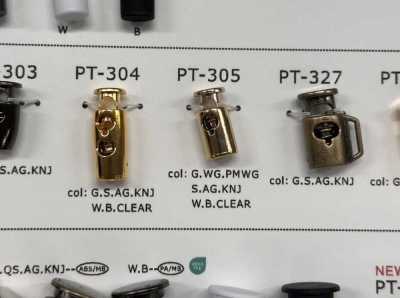
For cord stoppers, cord ends, and double rings as well, the inner diameter or inside dimension is checked to confirm compatibility with the thickness of the cord or string. In apparel applications, this relates to waist adjustment parts, hanging cords, and attached straps.
Selection and Precautions
Select not only according to the width of the tape to be threaded, but also considering tape thickness, the thickness of overlapping sections, and the stiffness after sewing. For specifications in which the tape is folded back through slide adjusters and similar parts, it is important to verify not only whether it passes while flat, but also through prototype testing in the actual threading sequence.
For load-bearing sections, check not only the inner diameter but also the material of the component, wire diameter, structure, and whether a load capacity rating is provided. For metal parts, also watch for rust and plating discoloration; for resin parts, pay attention to durability suited to the application. For products that undergo needle detection, confirm in advance whether metal is used and whether the product meets needle detector compatible conditions.
Frequently Asked Questions
Should the inner diameter or outer diameter match the tape width?
Compatibility with tape width should, in principle, be checked based on the inner diameter. The outer diameter affects the overall appearance of the component and the installation space, but it does not tell you the size of the threading opening. For specifications in which the tape is folded back, check the actual item including thickness.
Can I thread a tape that is the same width as the inner diameter?
It may pass if the tape is flat and thin, but it can become difficult to thread depending on the tape thickness, the stiffness of the edges, the inner corners of the component, and the thickness of any divider bar. In particular, for adjustment hardware, allow for the thickness created when folded back and confirm operability with a prototype.
When using metal rings, what should be checked besides the inner diameter?
Check the strength against the intended load, wire diameter and the structure of the joint, surface finish, and any concerns about rust or discoloration. For products that come into contact with skin or are subject to needle detection, it is also necessary to confirm nickel-related specifications, whether needle detector compatible conditions are met, and the effect on the textile used.