Grosgrain Ribbon
Grosgrain ribbon is a woven ribbon characterized by a woven structure with ridged texture running horizontally, and it has moderate thickness and firmness.
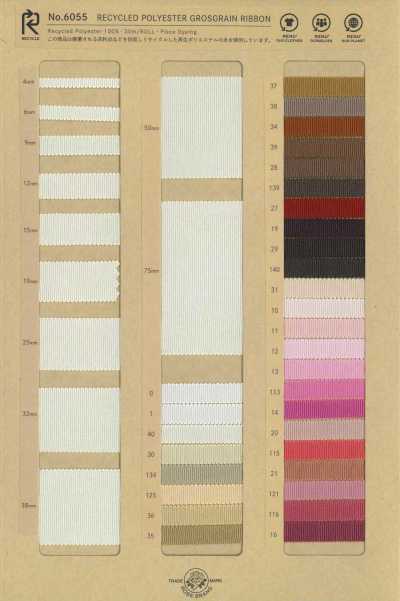
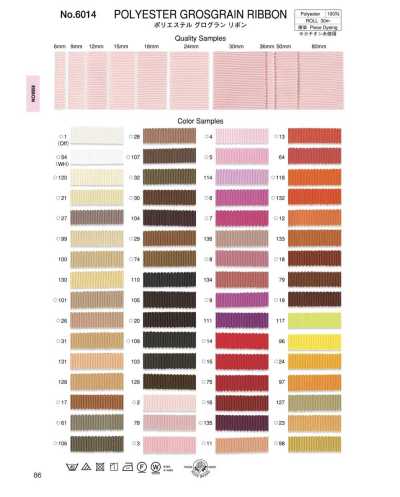
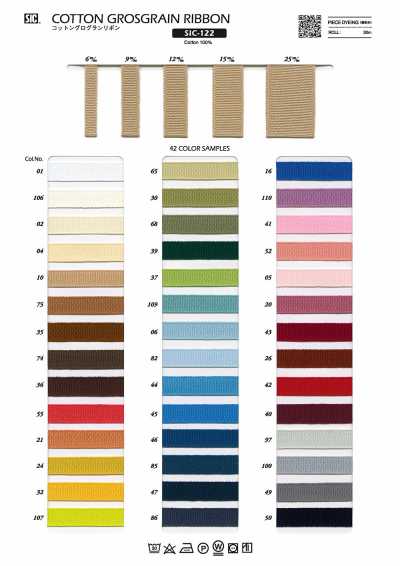
Contents6 sections
Definition and Overview
Grosgrain ribbon is a woven ribbon with continuous horizontal ribs visible on the surface. It has a matte texture created by the ribs and moderate firmness, so it is used for both decoration and practical purposes because it tends to hold tied shapes and sewn lines relatively well.
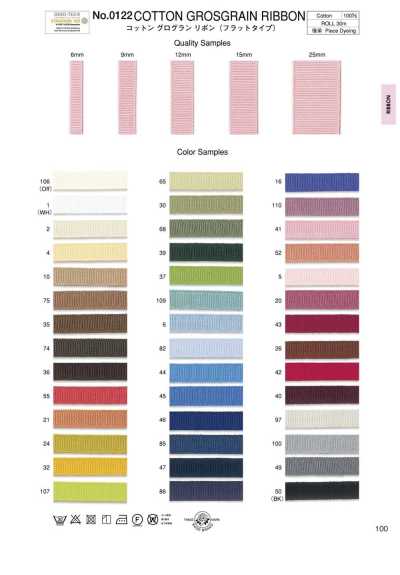
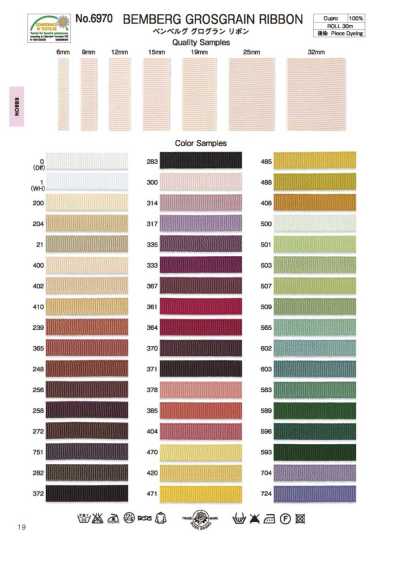
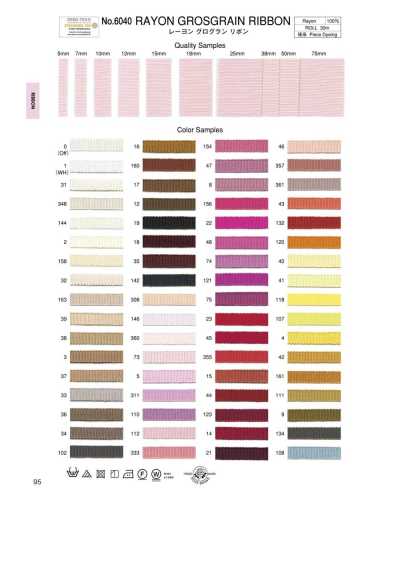
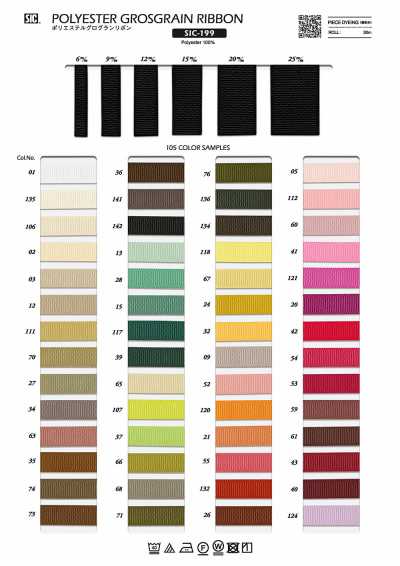
“Grosgrain” is not a material name, but a term mainly used to describe the appearance and texture of the ribs. It is made from fibers that vary by product, such as polyester, nylon, rayon, cotton, and silk.
Materials and Structure
In general, it is a woven fabric that uses weft threads that are thicker or denser than the warp threads to create ribs in the weft direction. The fineness of the ribs, thickness, firmness, and sheen vary depending on the type of thread, weaving density, and finishing process. It is not knit or braided material, but is basically classified as woven fabric.
Unlike the smooth, strongly lustrous surface of satin ribbon, grosgrain ribbon is characterized by ribs that diffuse light, giving it a more subdued appearance. However, depending on the material and finish, some varieties may have a glossy feel.
How Width Is Shown and Main Applications
Width is generally expressed in mm or cm. Narrow widths are used for accessories, around tags, and as color accents, while wider widths are used for belt-like decoration, hat bands, around bag handles, and design details at the waist or hem.
In apparel, it is used for decoration around necklines, front openings, pocket openings, button loops, and side stripes. When used as edging, it is important to distinguish between the visible finished width and the width needed for seam allowance.
- Decoration for apparel and fashion accessories
- Hats and hair accessories
- Edging and around handles for bags and pouches
- Wrapping and interior accessories
Selection and Handling Notes
Choose the width, thickness, fineness of the ribs, firmness, material, and color according to the application. For uses that require tying, check suppleness; for decorative parts or around handles that need to keep their shape, check resilience and abrasion resistance. Differences in color or sheen from the main textile are judged by layering the actual materials together.
Because it is a woven ribbon, it usually does not stretch much, but strong pulling during sewing can cause waviness or localized stretching. Cut ends may fray, so finish them appropriately for the application, such as folding them in or securing them with stitching. Heat-finishing the ends may cause melting or discoloration depending on the material.
The degree of shrinkage, color fading, and color transfer caused by washing varies depending on the fiber and dyeing conditions. When using it in products, perform washing and friction tests in combination with the main textile, and confirm whether it complies with the care label for the entire product.
Differences from Similar Terms
Satin ribbon is characterized by a smooth, lustrous surface made by satin weave or similar structures, and its appearance differs from grosgrain ribbon, which is mainly defined by horizontal ribs. Velvet ribbon has a deep texture created by pile, whereas grosgrain ribbon is characterized by a dry, textured unevenness created by woven ribs.
Herringbone tape is a tape with a zigzag pattern running diagonally, and its structure and appearance differ from grosgrain ribbon, which shows horizontal ribs. In specifications, writing only “grosgrain” can lead to misunderstandings, so listing the material, width, color, required length, and end finishing together can help reduce errors.
Frequently Asked Questions
Does grosgrain ribbon stretch?
Because standard grosgrain ribbon is woven fabric, it does not have elastic stretch like rubber. However, it may deform when pulled diagonally or during sewing. For areas that need stretch, choose auxiliary materials suitable for stretch applications, such as stretch tape.
Does the end of grosgrain ribbon fray?
The cut ends of woven ribbon may fray depending on the material and density. Processing according to the application, such as sewing it in, folding it back and securing it with stitching, or applying end finishing, is necessary. Heat treatment may be suitable for synthetic fibers, but material confirmation and pretesting are required.
How should satin ribbon and grosgrain ribbon be used differently?
If you want a glamorous look by taking advantage of sheen, satin ribbon is chosen; if you want a calm appearance with ribs and good shape retention, grosgrain ribbon is chosen. In practice, the decision is made by checking the compatibility with the apparel’s material feel, sewing specifications, and washing conditions.
- Search products for "Grosgrain ribbon"
- Products with material "Cotton"
- Products with material "Polyester"
- Products with material "Nylon"
- Products with material "Silk"
- Products with material "Rayon"
- Products for style "For Formal Wear"
- Products for style "For Costumes/dresses"
- Products for style "For Kids"
- Products for style "For Bags"
- Products for style "For Interiors"
- Browse Ribbon, Tape, Cord products