Houndstooth
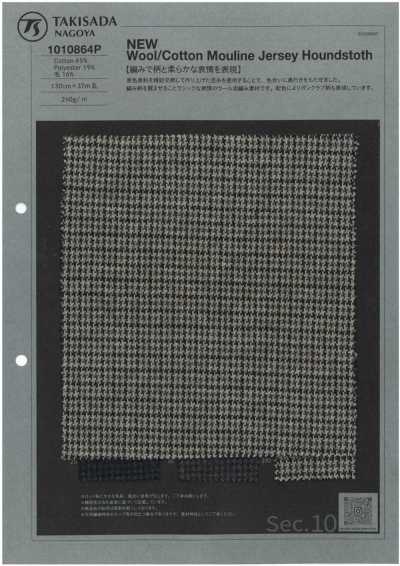
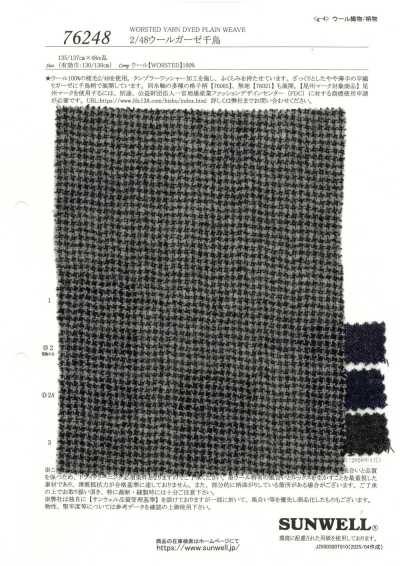
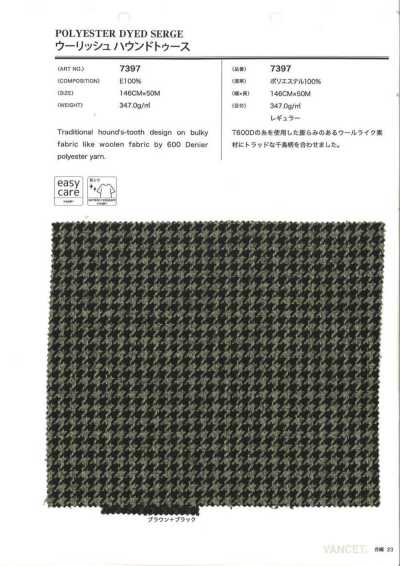
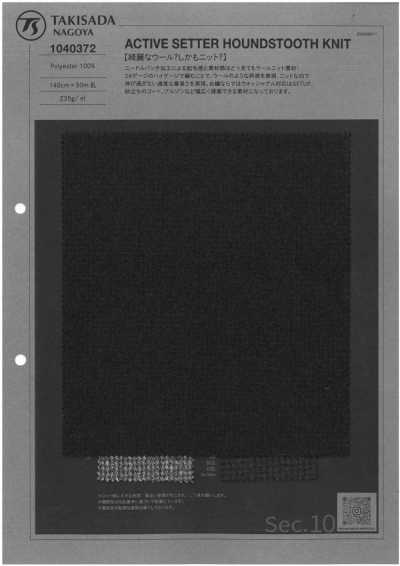
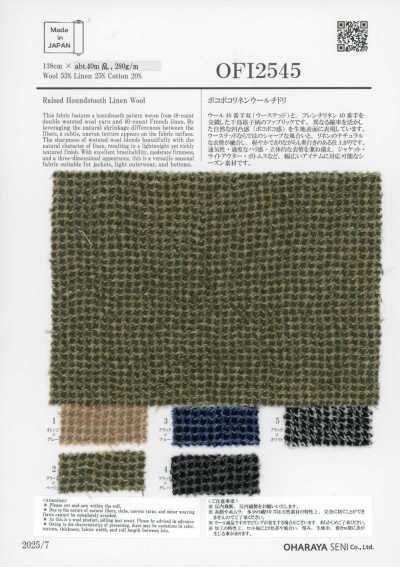
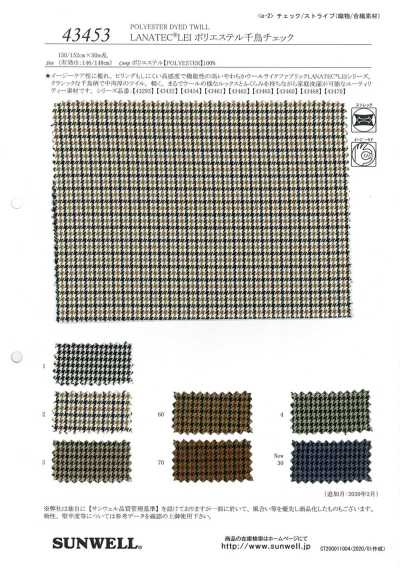
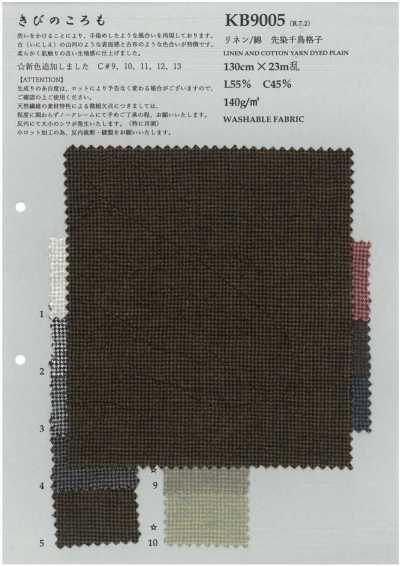
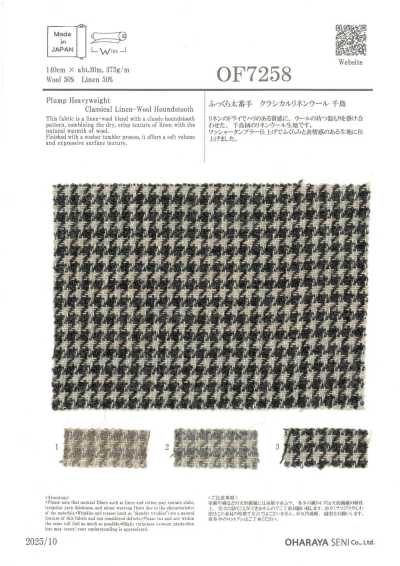
Houndstooth is a type of check pattern, typically made using yarn-dyed yarn, that features a continuous abstract design that can also be seen as resembling birds in flight or a dog’s teeth.
Contents6 sections
Definition and Overview
Houndstooth is a geometric pattern in which pointed motifs are repeated in a regular sequence. It is generally expressed by weaving with differently colored yarns, and in color combinations such as black and white, the outline of the pattern appears clearly. The impression changes greatly depending on the size of the motifs and the color scheme.
In English, it is called houndstooth. The name comes from the fact that the pattern resembles the canine teeth of a hunting dog. Houndstooth is not a material name or a weave structure name, but a pattern name used in woven fabrics and knits.
Features
Small houndstooth patterns tend to give a neat and calm impression, while larger patterns create stronger contrast and increase decorative appeal and presence. With fewer colors, it looks classic; with multiple colors, it takes on a more vibrant expression.
On thick wool-like fabrics, it tends to create a substantial autumn and winter feel, while on light materials such as cotton, linen, and silk, it gives a lighter expression. Even with the same houndstooth pattern, the texture and appearance differ depending on the material, yarn thickness, density, and whether it is brushed.
Main Applications
It is used for jackets, suits, coats, pants, skirts, dresses, and more. Especially in tailored items, it is treated as a pattern that can add expression while being incorporated in a way that feels close to solid.
Small patterns are also used for shirts, blouses, linings, and fashion accessories. In the case of large patterns, the way the pattern appears often becomes the main design feature, so it is also suitable for items with a relatively large surface area, such as outerwear and skirts.
Selection and Handling Notes
Check the pattern size, color scheme, and fabric thickness according to the intended use. For jackets and pants, the strength of the pattern when viewed from a distance is also important. It is easier to choose if you confirm how the pattern looks not only on a sample card but also in a state close to the required area.
During cutting, the pattern position needs to be matched for the left and right body panels, collar, pocket, front placket, and other parts. Pattern matching may require more fabric than usual, so it is necessary to check this at the sewing specification and pattern stages.
Washing and ironing methods depend not on houndstooth itself, but on the type of fiber, structure, and finish. With yarn dyed fabrics, pay attention to possible color transfer between dark and light areas and changes caused by friction, and handle according to the care label.
- For larger patterns, confirm any increase in fabric usage due to pattern matching.
- Before cutting, check that the grain line and pattern direction are aligned.
- At pockets and seam lines, pattern misalignment is more noticeable, so review the specifications in advance.
Differences from Similar Terms
Glen check is a check pattern formed by combining multiple small checks. It may include houndstooth as one of its elements, but its appearance and structure differ from a continuous houndstooth pattern on its own.
Gingham is a pattern made by arranging checks of the same width in a regular way, and it is distinguished from houndstooth, in which pointed motifs repeat continuously. Herringbone is also a woven pattern, representing a continuous twill line like fish bones, and its pattern structure differs from houndstooth.
Frequently Asked Questions
What materials is houndstooth used on?
What should you be careful about when cutting houndstooth?
Align the direction of the motif with the grain line, and check the pattern positions on the left and right body panels, collar, pockets, and so on. Depending on the size of the pattern and the design, fabric usage may increase to allow for pattern matching. It is important to consider the cutting position, including seam allowances, in advance.