Felt
Felt is a nonwoven fabric made by entangling wool and other fibers with heat, moisture, pressure, or needles, forming a sheet without weaving or knitting.
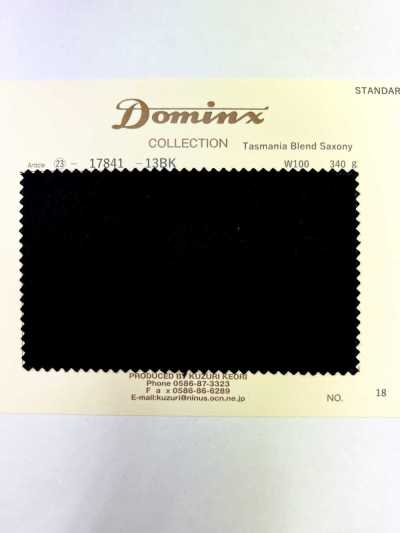
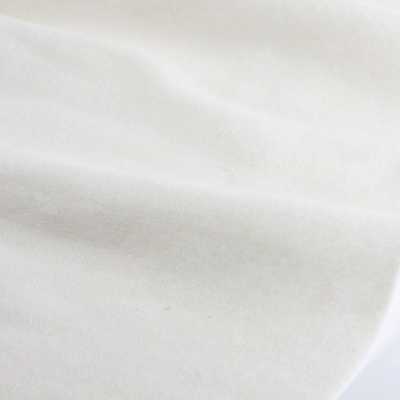
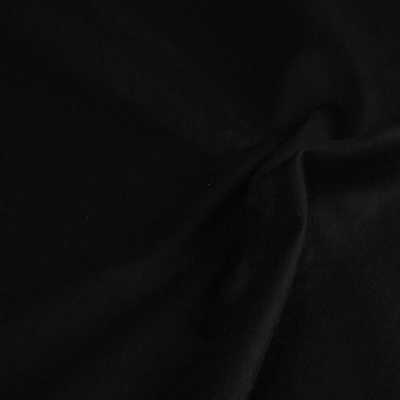
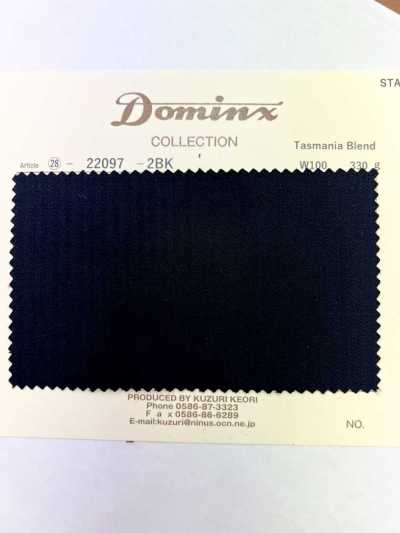
Contents6 sections
Definition and Overview
Felt is a nonwoven fabric made by intertwining fibers. The typical raw material is wool, but synthetic fibers such as polyester and acrylic, or blends of these, are also used. Unlike woven fabric, it has no warp or weft, and unlike knit, it has no stitches.
Wool felt may use the scale-like structure on the fiber surface to intertwine the fibers by adding moisture, heat, and pressure. Synthetic fiber felt is commonly made by methods such as needle punching, which entangles fibers with needles.
Features
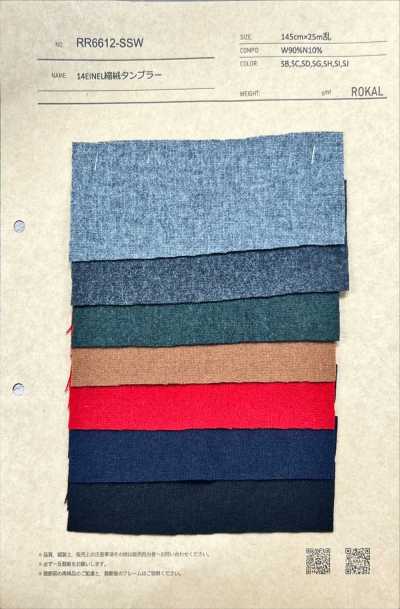
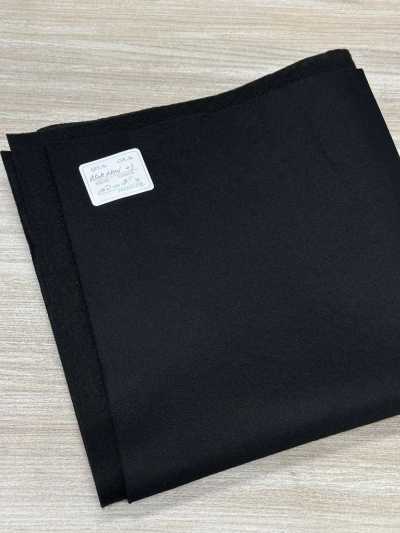
Its surface has a fuzzy, matte appearance, with a soft, warm texture. Depending on thickness and density, it ranges from thin and supple to firmer types that hold their shape well. In general, the fact that cut edges are less likely to fray also makes it easy to handle.
Because of its air-holding structure, felt made mainly from wool can provide warmth retention and cushioning. On the other hand, stretch, absorbency, resistance to friction, and tendency to pill vary depending on the raw material, manufacturing method, and density, so it is important to check the actual material for each application.
Main Applications
In apparel, it is used for hats, bags, parts of shoes, coat and jacket decorations, and appliqué. Because cut edges can be used in the design without finishing, it is also suitable for craft-like accessories and items for children.
Thicker, firmer types are also used for pouches, cases, interior goods, and cushioning materials. Its warm appearance makes it a good match for autumn and winter planning, while thin products and synthetic fiber types are also chosen for applications that are not limited to a specific season.
- Hats, bags, and pouches
- Badges, appliqué, and costume decoration
- Parts for shoes and fashion accessories
- Interior accessories and storage items
- Cushioning materials and protective materials
How to Choose and Handling Precautions
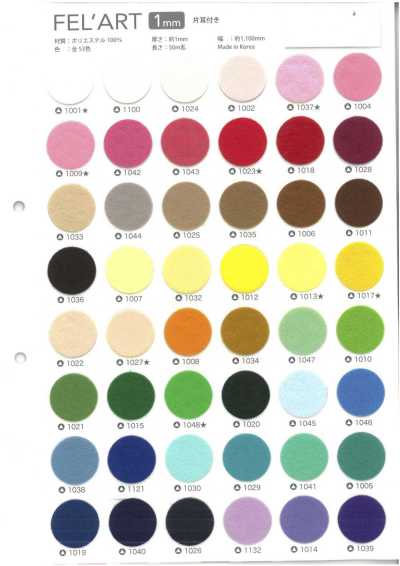
When selecting, check the raw material, thickness, fabric weight, density, firmness, surface fuzz, and color. For three-dimensional shaping or self-supporting structure, check firmness and recovery; for applications that touch the skin, check for prickliness and fiber shedding. Before sewing, also test how visible the needle holes are and how much the stitches sink in through a sample.
Felt containing wool may shrink, harden, or lose its shape due to washing, friction, or heat. Washing methods vary depending on the blend ratio and finishing, so always follow the care label. In sewing, needle breakage and feeding problems can occur in thick areas, so adjust the needle, thread, and presser foot pressure through test sewing.
Differences from Similar Terms
Felt is a nonwoven fabric made without weaving or knitting. Melton is generally a wool woven fabric that has been shrunk to make the surface dense, and it differs from felt in that it has a woven structure. Even if they look similar, their cut edges, stretch, and behavior during sewing are not the same.
Nonwoven fabric is a broad term for materials formed into sheets without weaving or knitting fibers. Felt is treated as one type of nonwoven fabric, but depending on the application and manufacturing method, some nonwovens are not called felt. Note that this is a term describing structure and manufacturing method, not just the material name.
Frequently Asked Questions
Can felt be washed?
Whether it can be washed depends on the raw material, blend ratio, density, and finishing. In particular, items containing wool may shrink or deform due to moisture, heat, and friction. Do not judge whether it is suitable for home washing by the material name alone; check the care label on the product or fabric and the test results.
Do cut edges of felt fray?
Because felt is not a structure made by weaving or knitting threads, its cut edges generally do not fray into thread-like fibers easily. However, the surface fuzz may shed, and thin or low-density products may have rough edges. Check the condition during cutting and use before mass production.
What is the difference between felt and melton?
Felt is a nonwoven fabric made by entangling fibers, whereas melton is generally a woven fabric that has been shrunk to increase density. Both have a thick, warm appearance, but they differ in whether they have a structure, how the edges behave, the grain direction, and how they change during sewing and washing.