Nonwoven Fabric
Nonwoven fabric is a sheet-like textile material made by bonding fibers into a sheet using heat, adhesive, needles, or similar methods, rather than weaving or knitting them.
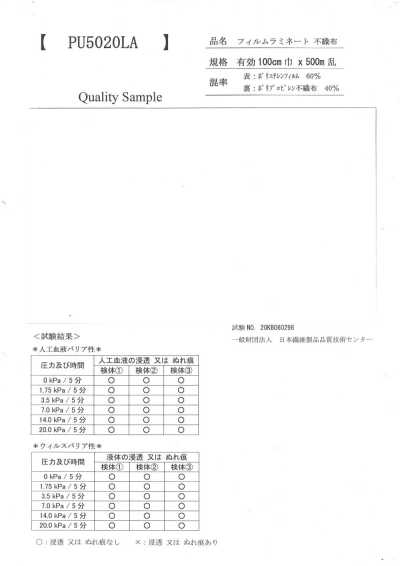
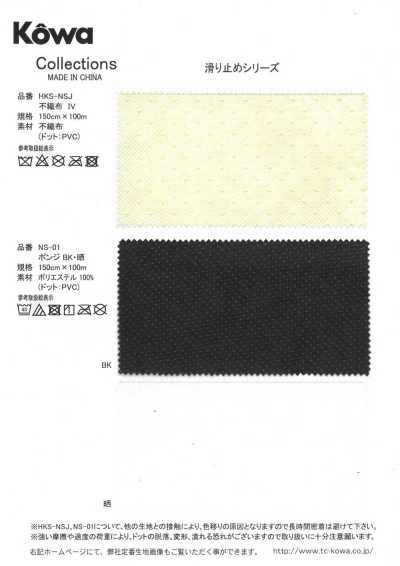
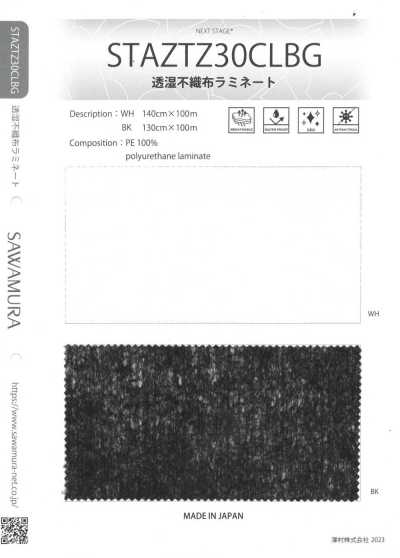
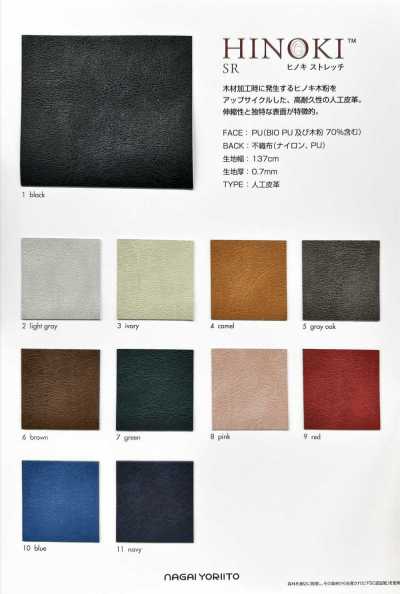
Contents6 sections
Definition and Overview
Nonwoven fabric is a material made by unifying a web in which fibers are arranged in a fixed direction or layered at random by thermal bonding, resin bonding, needle punching, or similar methods. The basic difference is that it does not have warp and weft yarns like woven fabric or loops like knit fabric.
Raw materials include polyester, nylon, polypropylene, rayon, and natural fibers. Even for the same nonwoven fabric, thickness, strength, appearance, and function vary greatly depending on the raw material, fiber thickness, manufacturing method, fabric weight, and surface finish.
Texture and Function
Thin nonwoven fabric can have a light, paper-like feel and firmness, while thicker types have a bulky, felt-like texture. Because strength differences may appear depending on direction due to the fiber arrangement and bonding method, it is important to check the cutting direction and the force applied during use.
Breathability, filtration, warmth retention, cushioning, absorbency, and water repellency are designed through the material, structure, and processing. On the other hand, some types are less likely to fray, but can be prone to tearing, fuzzing from friction, or deformation from heat.
Main Applications
In apparel, it is used for interlinings such as fusible interlining and nonwoven interlining, shoulder pads, as well as quilt batting, filter material, core material, cushioning material, and materials for disposable applications. When used as an outer fabric, it is used for costumes and bags that make use of its lightness, unique firmness, matte look, and industrial texture.
For warmth retention and batting applications, it is often used in fall and winter items, but thin types with breathability are also used in spring and summer items and hygiene-related applications. When selecting it for clothing, first decide whether it will be used for the outer fabric, lining, or interlining, and then organize the required texture and durability.
- Reinforcement materials such as fusible interlining and nonwoven interlining
- Quilt batting, thermal insulation material, cushioning material
- Core material and interior material for bags and accessories
- Filter material, hygiene and disposable-use materials
Selection and Handling Notes
When selecting, check the raw material, manufacturing method, fabric weight, thickness, firmness, tensile strength, tear resistance, breathability, and whether bonding or lamination is present. For fusible interlining applications, also verify compatibility with the outer fabric, bonding conditions, the feel after bonding, and peeling or shrinkage after washing through preliminary testing.
The degree of shrinkage, distortion, fuzzing, and changes in adhesive or thermal-bonded sections due to washing vary by type. Be sure to follow the product specifications for water washing, dry cleaning, and iron temperature. Before mass production, it is safe to carry out a washing test with the material layered with the outer fabric.
During sewing, some materials show visible needle holes, some are prone to tearing from the needle holes, and some stretch easily as they are fed. Make sure the design does not concentrate excessive force near the seam, and adjust the needle size, thread, stitch length, and presser foot pressure through trial sewing.
Differences from Similar Terms
Felt is sometimes treated as a type of nonwoven fabric formed by entangling fibers into a sheet, but in general it often refers to a thick material with fuzz and a distinctive compressed texture. Nonwoven fabric is a broader material category that can include felt.
Fusible interlining and nonwoven interlining are product categories and uses in which nonwoven fabric is used to reinforce apparel. Not all nonwoven fabrics are interlinings. Also, woven fabrics such as plain weave and knits such as jersey are made by systematically constructing yarns, whereas nonwoven fabric is made by directly bonding fibers.
Frequently Asked Questions
Does nonwoven fabric shrink when washed?
The degree of shrinkage and deformation depends on the fiber type, bonding method, heat treatment, and surface finish. Since some types shrink with washing and others change in firmness or dimensions with heat, washing tests should be performed not only on the material alone but also in combination with the outer fabric, and the appropriate care label should be set.
Can nonwoven fabric be sewn with a household sewing machine?
Depending on the type, yes, but thin types tend to leave needle holes, and hard or tear-prone types may continue to tear from the seam. Test the needle size, thread, and stitch length on scraps, and use a pressing cloth or reinforcement tape if necessary.