Acrylic
Acrylic is a synthetic fiber whose main component is acrylonitrile, and it is widely used in knitwear and brushed materials for its lightness, warmth, and color vividness.
Contents6 sections
Definition and Overview
Acrylic is a synthetic fiber whose main component is acrylonitrile. It is easy to create a bulky, wool-like texture, and it is used both on its own and blended with wool, cotton, polyester, and other fibers. Its appearance and performance vary greatly depending on the yarn shape, knit structure, and brushed finishing.
Depending on differences in raw materials and composition, it may be labeled as acrylic fiber. In product planning and care labeling, it is important to confirm the blend ratio and labeling category.
Features
It is lightweight, easily traps air, and is a material that readily creates a warm, soft feel. Colors produced by dyeing tend to appear vivid, and another characteristic is that it is relatively resistant to discoloration from sunlight. It is less likely to be damaged by insects, making it easier to reduce the burden of mothproofing during storage.
On the other hand, pilling may occur due to friction. It also tends to build up static electricity, so wearing comfort in dry seasons and the adhesion of dust and lint should be considered. Because it does not have high moisture absorption, comfort in direct-to-skin uses is adjusted through blended materials and knit structure design.
- A lightweight material that easily creates bulk.
- A material that makes it easy to take advantage of warmth retention and vivid color.
- Attention is needed for pilling and static electricity caused by friction.
Main Applications
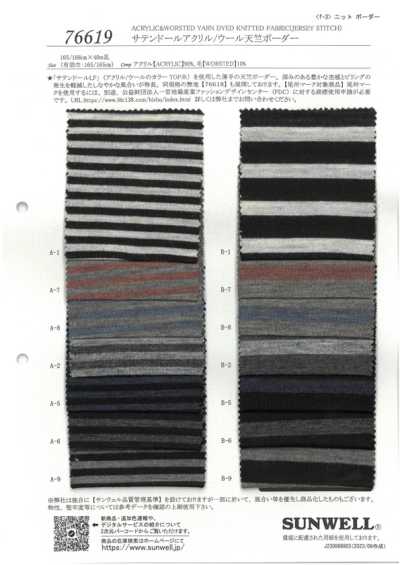
It is often used for autumn and winter knit products such as sweaters, cardigans, mufflers, hats, and gloves. In brushed knits, it can also create a fleece-like or long-pile appearance.
Outside apparel, it is also used for applications that call for lightness and a soft appearance, such as blankets, cushion covers, and stuffed toys. Depending on the application, strength, fuzzing, and wash durability should be checked.
Selection and Handling Notes
When selecting textile or yarn, check not only the blend ratio but also the knit or weave structure, fabric weight, whether it is brushed, pilling performance, and dimensional change after washing. In wool blends, it is easier to add warmth and a natural-fiber-like texture, while polyester blends are used to design strength and quick-drying performance.
Washing should follow the care label for each product. Because high temperatures may lead to deformation or changes in texture, it is important not to apply excessive heat. When sewing, check stretch, seam puckering, and the direction of the pile in knits and brushed textiles, and confirm seam appearance with a test stitch.
Differences from Similar Terms
Wool is a natural fiber made from sheep's wool, and its raw material differs from acrylic. Acrylic is sometimes used to create a warmth and fullness similar to wool, but properties such as moisture absorption, shrinkage behavior, and pilling are not the same.
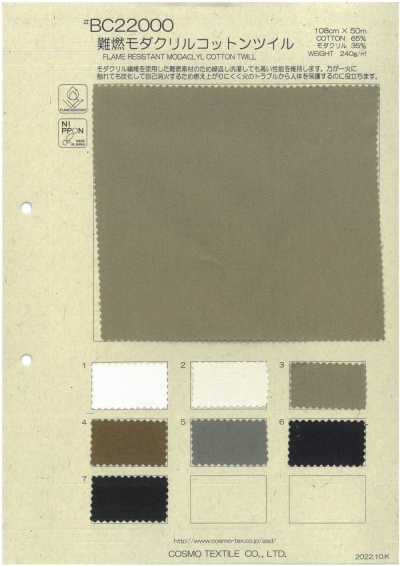
Polyester is also a representative synthetic fiber, but acrylic is a material often chosen specifically for bulkiness and a wool-like texture. Modacrylic is closely related to acrylic fiber, but because its composition category differs, care labels and standards should be checked to avoid confusion.
Frequently Asked Questions
Can acrylic be used as a substitute for wool?
Acrylic can create a look similar to wool by taking advantage of its lightness, warmth retention, and bulky appearance. However, its moisture absorption, tendency to shrink, odor retention, and pilling tendencies differ. It should be selected, including blended options, according to the desired texture and wearing environment.
How can pilling on acrylic products be reduced?
Because pilling tends to occur due to friction, avoid continuous wear and reduce strong rubbing against bags and furniture. When washing, turn the item inside out, place it in a laundry net, and wash according to the care label. Remove any pills carefully with a fabric shaver or similar tool so as not to damage the textile.