Eyelet
An eyelet is a ring-shaped accessory used to reinforce the area around a hole made in textile or similar materials with a metal or resin part, and is used for threading cords, ventilation, and decoration.
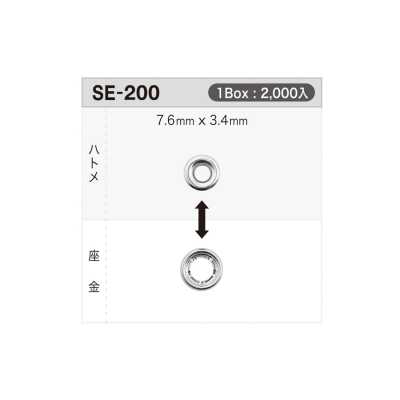
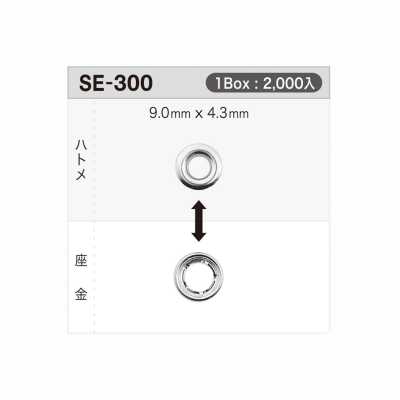
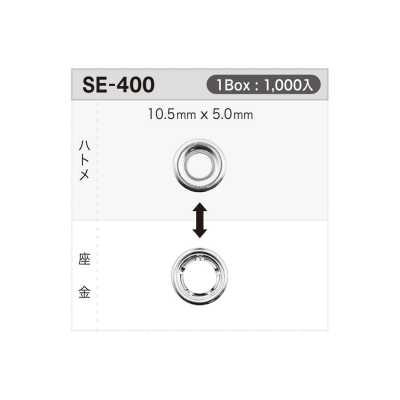
Contents6 sections
Definition and Overview
An eyelet is a ring-shaped accessory attached to prevent the edge of a hole from fraying or tearing. It is used for threading cords through holes, as ventilation holes in clothing and bags, and as a decorative detail. It may also be called an eyelet, grommet, or metal eyelet.
In the narrow sense, it refers to a part that is crimped onto textile to attach a cylindrical body visible from the front. On the other hand, grommet may refer to a combination with a reinforcing washer, but the distinction in terminology varies by supplier and catalog.
Materials and Structure
Metal versions often use brass or similar materials and are frequently plated on the surface. Depending on lightness, design, and the usage environment, plastic versions may also be chosen. In addition to appearance, resistance to washing, friction, sweat, and rain also needs to be checked.
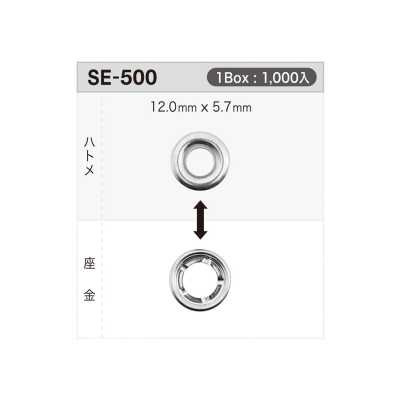
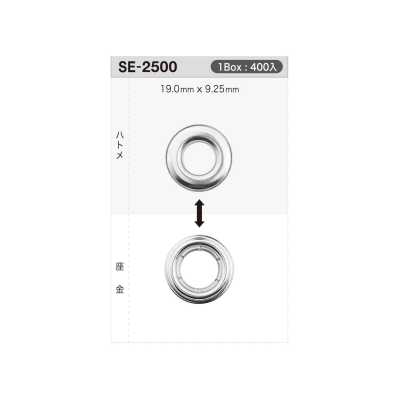
The typical structure consists of the eyelet body, which has a head visible on the front side and a tube section, plus a washer on the back side to hold the textile in place if needed. During setting, the tube section is flared and crimped to clamp the textile.
- Body only: used for relatively thin textile or specifications where you want to minimize how the back side looks.
- Body and washer: useful for dispersing stress on the textile at areas subject to pulling force or on thick fabrics.
- Plastic: considered for applications where metal use should be avoided or where needle detection needs to be taken into account.
How to Indicate Size and Selection
Eyelet size is mainly checked by the inner diameter, outer diameter, and neck length. The inner diameter is related to the size of the cord, code, or fitting being passed through, while the outer diameter affects appearance and the area that presses on the textile. Do not judge the specification by the nominal size alone; verify each dimension against the drawing or actual sample.
Select the neck length and whether a washer is used according to the textile thickness, weave, stretch, and whether interfacing or reinforcing fabric is present. If the neck is too short, it may not crimp sufficiently, and if it is too long, it may cause crushing or looseness on the back side.
- For threading cords, confirm an inner diameter that allows the cord to pass through without strain.
- For knit or open-weave textile, use stretch prevention or reinforcing fabric together to reduce deformation around the hole.
- For lightweight fabrics, also watch for sagging and fading caused by the eyelet's weight and hardness.
Attachment Method and Main Applications
Installation is basically done by making a pilot hole with a hole punch, then crimping with a matching setting tool and a hand press or press machine. If the pilot hole is too large, it may come loose easily; if it is too small, it may damage the textile or prevent even crimping.
Use a setting tool that matches the eyelet's shape and dimensions. Before mass production, perform trial setting with the actual textile, interfacing, and reinforcing structure layered together, and check the crushed appearance on the front and back, pull-out strength, and tearing around the hole.
Main applications include cord channels for hoods and waistbands, shoelace-style lacing, ventilation holes for ventilation, cord openings for bags, and decorative holes. For applications subject to repeated pulling force, design with the washer and reinforcing fabric included.
Quality Considerations
If the part is not suitable for the textile thickness and strength, the eyelet may come loose, tear around the hole, or deform. In particular, for lightweight fabrics, stretch materials, brushed materials, and waterproof-coated fabrics, reinforcing methods and test conditions should be reviewed in advance.
With metal versions, rust, discoloration, and plating deterioration may occur due to moisture, sweat, washing, or contact with chemicals. For product washing, post-processing, or applications exposed to seawater or rain, checking under actual-use conditions is important.
Products using metal parts are subject to the needle detection process. In applications where consideration for metal allergies is needed, even for nickel-free specifications, confirm the scope and control conditions with supplier documentation, and determine them as part of the product specification.
Frequently Asked Questions
What is the difference between an eyelet and a buttonhole eyelet?
An eyelet refers to a metal or plastic part that reinforces the area around a hole. A buttonhole eyelet generally refers to the shape or sewing specification of a hole with a rounded, reinforced end of a buttonhole. The terms are similar, but the part and the finishing of the hole are treated separately.
Is a washer always necessary for an eyelet?
A washer is not always required, but it is effective for areas where cords are pulled, thick fabrics, or specifications where load is applied around the hole. It helps hold the textile from the back side and more easily distribute the load. Make the decision through trial setting based on textile thickness, reinforcing fabric, appearance, and the required strength.
How can mistakes in eyelet installation be prevented?
It is important to use a setting tool that matches the part and to confirm the pilot hole diameter, press pressure, and neck length on the actual textile. Perform trial setting under the same conditions of layered textile, interfacing, and reinforcing fabric as in full production, and check the front and back finish, looseness, and any pull-out or tearing.
- Browse Eyelet Washer products
- Products with material "Brass"
- Products with material "Metal"
- Products for style "For Outerwear/blousons/coats"
- Products for style "For Sports"
- Products for style "Outdoor"
- Products for style "For Uniforms/Workwear"
- Products for style "For Bags"
- Products for style "For Denim"
- Browse Press Fasteners And Eyelets products