Press Fastener
A press fastener is a fastening device that is fastened and unfastened by pressing the male and female parts together, and it is a snap-style button that is attached to textile by crimping multiple metal or resin parts onto it.
Contents6 sections
Definition and Overview
A press fastener is a fastener that closes by pressing the male and female sides together and opens by pulling them apart. Because it does not require making a buttonhole in sewing and is relatively easy to operate with one hand, it is used for garment front openings and pocket openings.
In general, it refers to a type that is pressed onto the textile by sandwiching it, but in some cases even sew-on snaps are called snap buttons. In specifications, clearly stating whether it is the punched-on type or the sew-on type helps prevent misunderstandings.
Materials and Structure
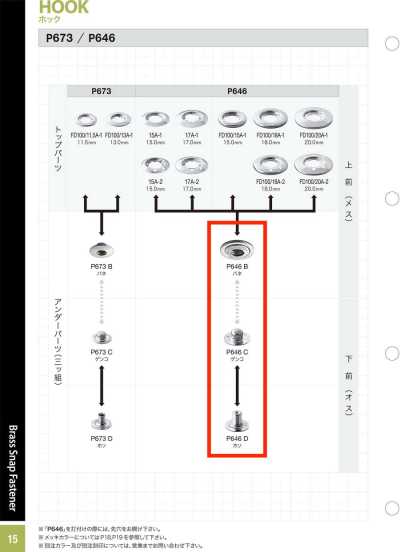
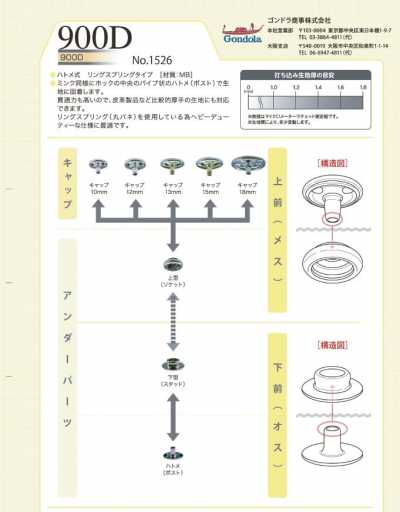
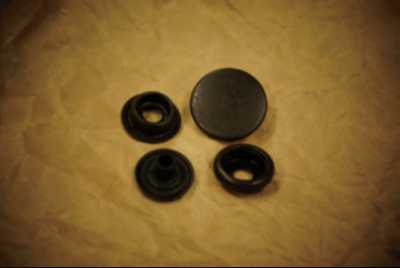
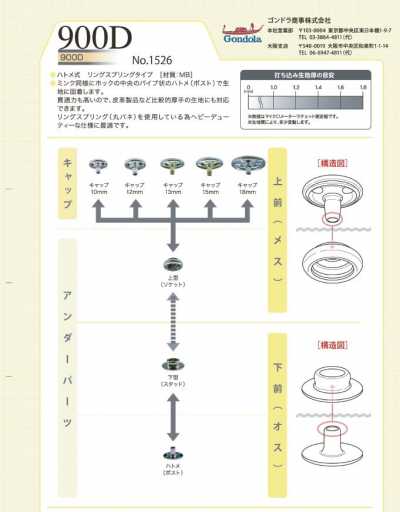
A punched-on press fastener usually combines a front head, a female spring or socket, a male stud, and a cap and close post fixed on the back side. Part names and configurations vary depending on the shape and manufacturer, so selection is made using a combination from the same series.
Metal versions use brass, iron, stainless steel, and similar materials, and there are also resin versions. The metal surface may be plated, and specifications should confirm not only appearance but also corrosion resistance and the likelihood of color transfer to the garment.
- Spring type: the female side spring holds the male side.
- Jumper type: the female-side structure differs, giving it distinctive opening and closing feel and holding force.
- Resin type: lightweight, and sometimes used for products designed with metal detection in mind.
How Size Is Expressed and How to Select It
Size is generally shown in millimeters based on the diameter of the head or outer circumference. However, because the reference for the listed dimensions and the compatible textile thickness differ by product, it is important not to judge compatibility by diameter alone.
When selecting, check the visible head size, the force required to fasten and unfasten, the length of the part legs, and the textile thickness together. For stretchy textiles, thin fabrics, and brushed fabrics, verify through prototyping, including the use of interlinings and reinforcing fabric.
How to Attach It and Main Applications
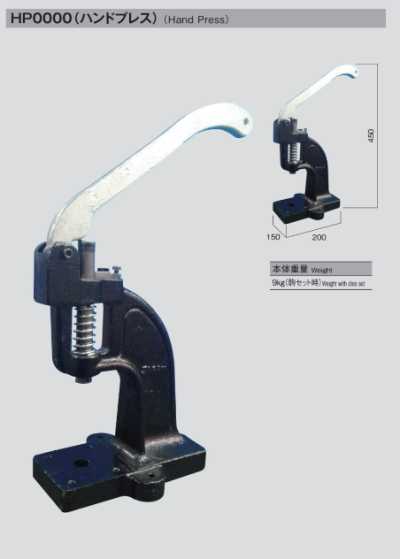
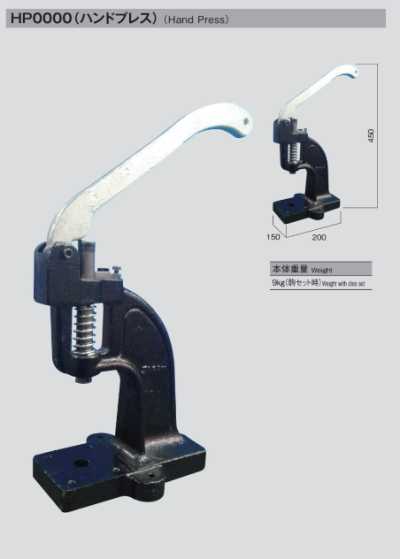
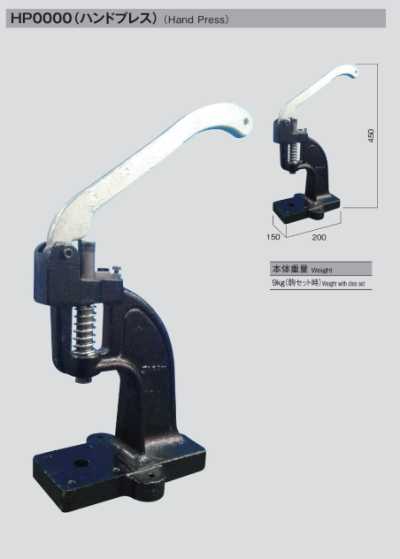
Using a dedicated setting tool and a hand press or press machine, each part is crimped perpendicular to the textile. Use a setting tool that matches the part shape and size, and do not mix different product numbers or series.
It is used for shirts and blouses, outerwear, workwear, baby and kids' clothing, bag openings, and pockets. Depending on the application, select the required holding force while considering opening and closing frequency, pulling direction, and whether it will be washed or used outdoors.
- Before mass production, perform test setting on the actual textile.
- Check for poor setting, deformation, or weak fastening.
- Perform a pull test including tearing of the textile after opening and closing and detachment of parts.
Points of Caution and Differences from Similar Terms
If a part with long legs is used on a thin textile, incomplete setting or looseness of the part may occur. Conversely, if a part with short legs is used on a thick textile, it may not be set sufficiently and may fall off. Not only textile thickness but also weave density, stretch, and whether interlining is used will affect performance.
For applications exposed to sweat, moisture, detergent, and similar conditions, check for metal rust, plating discoloration, and effects on surrounding textiles. For products that take nickel-related metal allergies into account, confirm the nickel-free scope and test conditions individually.
Press fastener usually refers to a punched-on snap button, while a sew-on snap is a different specification attached with yarn. Also, a tack button is a fixed button mainly used for denim and similar items, and it differs from a press fastener with an opening and closing structure.
- For products that require needle detection, confirm whether the parts used are needle detector compatible.
- For products for infants and toddlers, verify strength to prevent detachment.
- Evaluate under the intended use conditions, such as washing, dry cleaning, and saline environments.
Frequently Asked Questions
How should the size of a press fastener be selected?
Select it by checking not only the head diameter needed for appearance, but also the textile thickness, leg length of the part, required holding force, and the setting tool to be used. Even with the same stated diameter, the part configuration may differ, so it is important to perform test setting on the actual textile and confirm opening, closing, and pull strength.
What is the difference between a press fastener and a sew-on snap?
A press fastener is generally attached by crimping the parts with a dedicated setting tool and press. A sew-on snap is fixed with yarn through holes or sewn-on sections. The method of processing on the textile, required equipment, ease of repair, and appearance differ.
Is nickel-free sufficient consideration for metal allergies?
Nickel-free indicates a specification that takes nickel use and elution into account, but it does not guarantee that no allergic reaction will occur for everyone. Depending on the application of the target product, confirm the material composition, surface treatment, and test conditions.
- Browse Press Fastener products
- Products with material "Brass"
- Products with material "Stainless Steel"
- Products with material "Iron"
- Products with material "Metal"
- Products with material "ABS Resin"
- Products with material "Polyacetal"
- Products for style "For Shirts/blouses"
- Products for style "For Outerwear/blousons/coats"
- Products for style "For Innerwear"
- Products for style "For Uniforms/Workwear"
- Products for style "For Kids"
- Products for style "For Bags"
- Browse Press Fasteners And Eyelets products