Double-faced Fabric
Double-faced fabric is a general term for textiles designed with different colors, patterns, weaves, or textures so that both sides can be used as the face side.
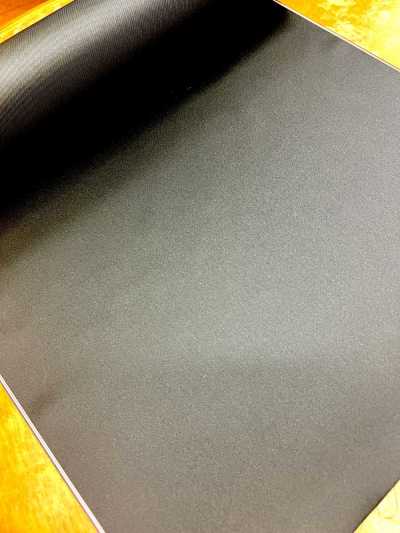
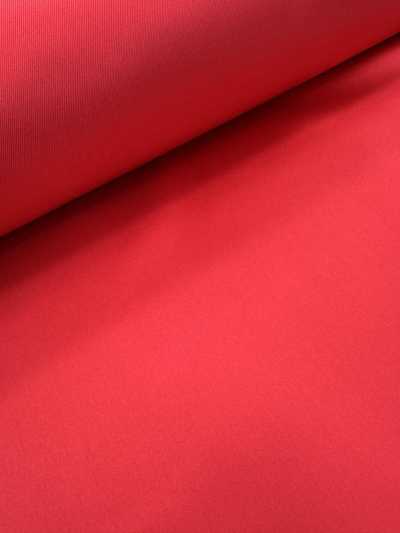
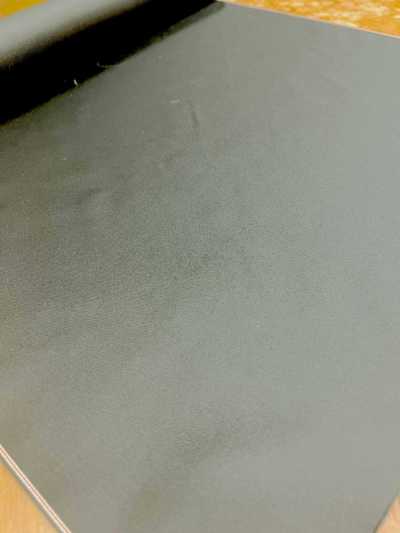
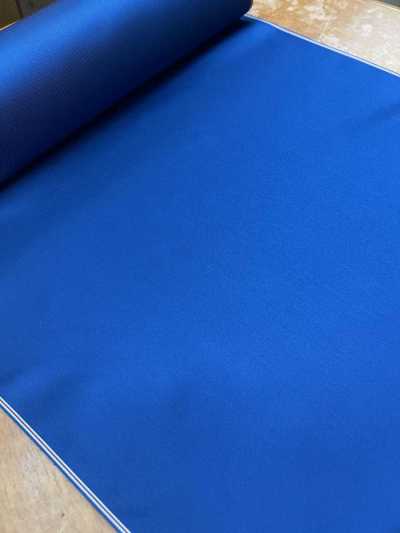
Contents6 sections
Definition and Overview
Double-faced refers to textile that has design appeal on both sides and can be used with either side as the face. There are types in which the front and back differ in color, pattern, texture, or whether they are brushed, and the term is used for both woven and knit fabrics.
It is not limited to materials made by bonding two layers of textile; some are also made with a two-layer structure during weaving or knitting. For that reason, the name double-faced alone does not tell you the weave, material, thickness, or stretch.
Features
Because each side can have a different look, it is well suited to folded-back designs that make use of contrast colors, as well as lightweight garments without lining. Two-layer structures generally tend to have more thickness and moderate firmness, making them easier to tailor beautifully.
On the other hand, warmth retention, breathability, drape, and stretch vary greatly depending not only on the structure but also on the material and fabric weight. If one side is brushed, it adds softness and warmth, but you also need to pay attention to the nap direction.
Main Applications
Used for coats, jackets, blousons, cardigans, dresses, skirts, and more. It is also suitable for designs that show the color or pattern of the reverse side from the collar, cuffs, facings, vents, and similar areas.
Heavy fabrics with a wool-like or brushed feel are used for autumn and winter outerwear, while lighter fabrics with good drape are also used for shirts, blouses, and dresses. Depending on the material and structure, they may also be used for bags and interior applications.
How to Choose and Handling Notes
Depending on the intended use, check not only the color, pattern, and texture on both sides, but also the fabric width, fabric weight, thickness, stretch, and whether the edges are likely to peel apart. For products worn reversibly, it is also reassuring to check the abrasion fastness and wash fastness of each side.
Fabrics containing natural fibers or having a two-layer structure may shrink, twist, or show differences in shrinkage between the front and back after washing or steaming. Before mass production, it is important to perform hot-water treatment or washing tests and decide on the care label and sewing specifications.
For product numbers with greater thickness, seam allowance areas where layers overlap can become bulky, so consider seam allowance trimming and how to press them open in advance. For materials where the stitching thread is likely to show through on the surface, choose a finishing method that suits the specifications, such as opening the seam allowance or turning it to the face side.
- Before cutting, specify how the front and back will be used and the nap direction.
- If interfacing is used, check the adhesion suitability for each side and whether it causes fading.
- For materials where the layers open from the seam, confirm seam finishing and reinforcement methods with samples.
Differences from Similar Terms
Double weave refers to a woven structure that creates a double-layer construction using two sets of warp and weft yarns, and similar methods. Fabric made by double weave can be double-faced, but not all double weave fabrics are intended for use on both sides.
Double knit is a general term for knit fabrics with a two-layer structure or a double-sided construction. Double-faced is a term focused on appearance and how the fabric is used, while double knit mainly refers to the structure and classification of the knit fabric. Lamination and bonding refer to processes that adhere multiple layers together.
Frequently Asked Questions
Can double-faced fabric be made without lining?
Because both sides look neat, it is sometimes used for garments without lining. However, whether it can be left unfinished and how the seam allowances should be finished depend on the fabric structure. Check for fraying at the edges and how easily the layers open, and verify with a specification sample.
Are double-faced fabric and double weave the same?
No, they do not mean the same thing. Double weave refers to the structure and manufacturing method of weaving a double-layer construction, while double-faced refers to an appearance and use in which both sides can be used as the face. Some double weave fabrics are double-faced, but there are also double-faced knit fabrics and bonded constructions.
Does double-faced fabric shrink when washed?
The degree of shrinkage depends on the material, structure, finish, and washing method. In particular, materials that combine different fibers or structures on the front and back need attention to rippling and shape changes caused by differences in shrinkage. Perform washing tests before turning it into a product, and consider preshrinking or anti-shrink processing as needed.