Double Weave
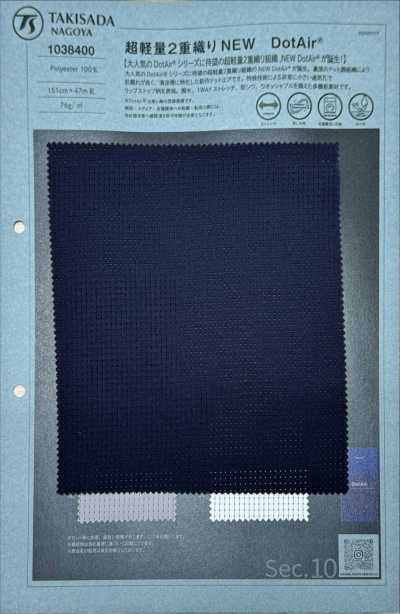
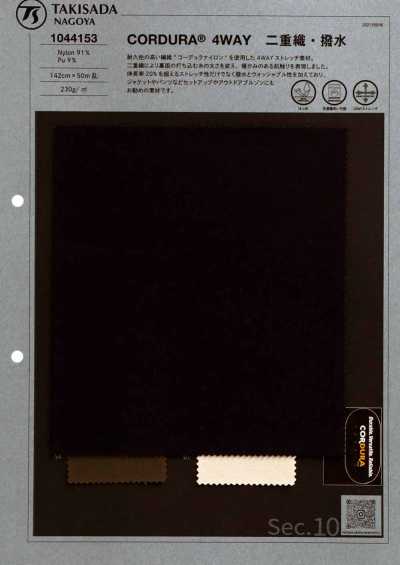
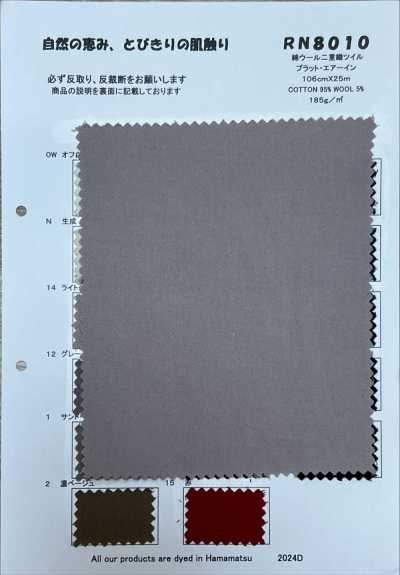
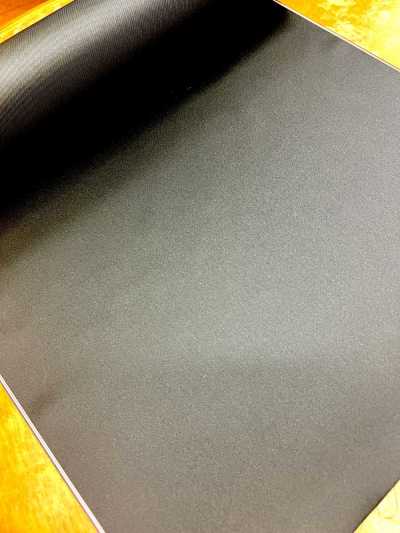
Double weave is a fabric made by partially joining the two layers of woven cloth on the face and back with threads such as binding threads, giving it thickness, volume, and a distinct look on both sides.
Contents6 sections
Definition and Overview
Double weave is a woven fabric made by joining two layers of woven cloth composed of warp and weft yarns with yarns called binding yarns to form a single textile. The two layers may use the same structure, or the yarns, colors, and structure may differ between the face and back.
The name double weave indicates the structure of the fabric and does not limit the raw materials or surface structure. It is made from a wide range of materials such as cotton, wool, and polyester, and designs based on plain weave or twill weave are used.
Features
Its two-layer structure easily traps air, making it a textile that can create thickness, fullness, and a substantial hand more easily than ordinary single-layer woven fabrics. Another feature is that different colors and textures can be expressed on the face and back.
Depending on yarn thickness, density, binding method, and material, its properties vary widely, from light and soft to firm and resilient. Designs with a space between the two layers may provide warmth and cushioning.
- The color arrangement and structure can be changed between the face and back.
- Some designs allow the two layers to open at the edges or cut sections.
- Stretch is determined not by double weave itself, but by the yarns, structure, and finishing.
Main Applications
Its moderate thickness and tailored appearance make it suitable for jackets, coats, pants, skirts, dresses, and similar items. Lightweight versions may also be used for shirts, blouses, and items with a cut-and-sew look.
Textiles with different appearances on the face and back are also suitable for garments with turned-back collars and cuffs, as well as reversible products. Double weaves combined with wind resistance, water repellency, or stretch may be selected for outerwear and sports or outdoor applications.
Selection and Handling Notes
When selecting, check not only composition, fabric weight, and thickness, but also the strength of the binding between the two layers, color difference between face and back, stretchability, and how easily the cut edges open. It is important to test in advance the seam finishing method and compatibility with interlining according to the product's applications.
Depending on the textile, the two layers may shift during sewing, or the edges may open as if peeling apart. Consider a fine needle, suitable yarn, and presser foot pressure, and baste if necessary. Shrinkage, distortion, and color transfer from washing depend on the composition and finishing, so follow the bolt label and test results.
Differences from Similar Terms
Double cloth is often used as another name for double weave, but in the market it may also refer broadly to a thick, firm textile with a double-weave-like appearance. When ordering, confirm whether it is a woven fabric with the two layers joined, including composition and thickness.
Lamination and bonding are finishing processes that bond multiple textiles or films together with adhesive or similar means. The method differs from double weave, in which the two layers are joined during weaving, and peel resistance, breathability, and behavior during sewing also differ.
Frequently Asked Questions
Are double weave and double cloth the same?
Double cloth is a name often used as another term for double weave. However, in distribution it may also refer broadly to thick woven fabrics. Please confirm the presence of a two-layer structure, the face and back structure, and the binding condition using the textile specification or sample.
Can double weave be washed at home?
Whether it can be washed at home cannot be determined by the double-weave structure alone. The degree of shrinkage and shape distortion varies depending on the fibers used, dyeing and finishing, and binding method. Always check the fabric care label and perform washing tests before mass production.