Futsuori
Futsuori is a type of double weave that expresses different colors and patterns on the front and back, and is a structure in which patterns are woven out by partially switching two sets of warp threads and weft threads.
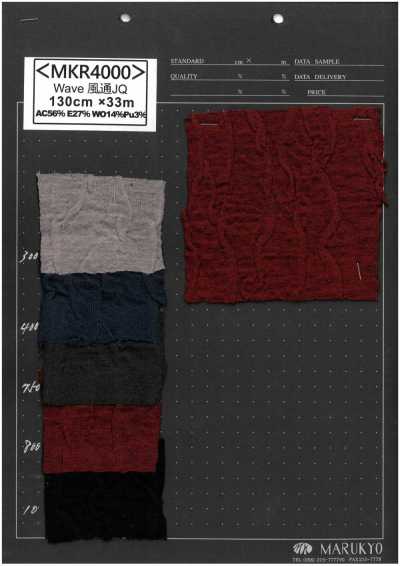
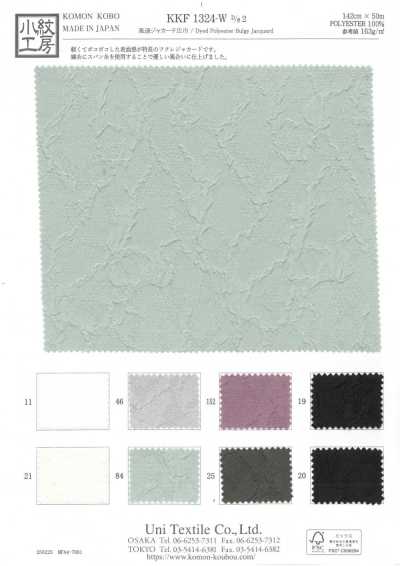
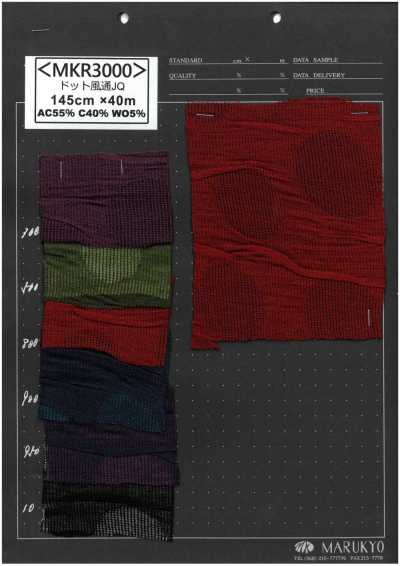
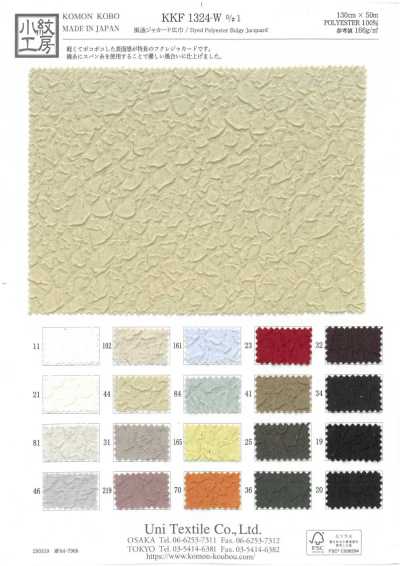
Contents6 sections
Definition and Overview
Kagutōori is a textile that applies a double-weave structure and expresses patterns through a change in weave structure while using different colored yarns on the face and back sides. In the patterned areas, the face and back yarns alternate, creating the appearance of reversed colors on the front and back.
Although the name includes "kagutō," it does not mean a textile with gaps made for ventilation. The name comes from the structure in which two layers of woven fabric are partially bonded to create patterns, and the fabric’s breathability varies depending on the material, density, and finish.
Features
A major feature is that the colors are reversed on the front and back, or different patterns appear on each side. Unlike printing, the colors and patterns are expressed by the weave structure itself, so the fabric tends to have a three-dimensional, deep appearance, and the back side can also be designed decoratively.
The two-layer structure makes it easy to create moderate thickness and fullness, and depending on the material and density, it can have a soft, airy hand. On the other hand, firmness, drape, and warmth retention vary greatly depending on the arrangement of bonding points, the thickness of the yarns used, and the weave design.
Main Applications
Because it makes use of how the front and back look, it is used for jackets, coats, dresses, skirts, pants, and more. Designs with relatively greater thickness are suitable for autumn and winter items, while those made with finer yarns or lighter materials are also offered for spring and summer.
In Japanese clothing, it may be used for kimono lengths and obi fabric that make use of color changes and delicate patterns. In apparel, it is chosen for applications that emphasize pattern expression, from solid-style shading effects to geometric and botanical patterns.
Selection and Handling Precautions
When selecting it, check the front and back color scheme, pattern size, thickness, fabric weight, and drape, and also confirm whether the two layers open too much in areas with fewer bonding points. During cutting, be careful not to mix up the front and back sides, and for patterned fabrics it is important to consider pattern matching in advance, including the left and right body panels and pockets.
If the material is natural fiber, washing or steaming may cause shrinkage or changes in texture. Before mass production, confirm the fabric shrinkage rate and, if necessary, perform washing or straightening. In sewing, thickness differences tend to appear, so adjust seam finishing and pressing conditions to suit the fabric.
- Check the front and back pattern and color appearance, and the direction during cutting.
- Decide the washing method according to the blend ratio and finish, and test it in advance.
- For designs with weak bonding, be careful of layer shifting caused by snags or strong friction.
Differences from Similar Terms
Double weave is a broad term for textiles with a two-layer structure. Kagutōori refers to a structure within that category in which two sets of colored yarns are swapped to create different patterns and color arrangements on the front and back. Not all double weaves are kagutōori.
Double face often refers to textile that can be used with both the front and back as if each were a face fabric, and it is not a term that specifies a particular structure. Kagutōori may have decorative appeal on both sides, but its defining feature is that the color and pattern changes are expressed through the weave structure. Jacquard is a term for a technique and loom used to weave complex patterns, and it is also used for patterning kagutōori.
Frequently Asked Questions
Is kagutōori a breathable textile?
It is not necessarily highly breathable. Kagutōori is the name of a structure in which two layers of woven fabric are partially bonded, and breathability depends on the type of fiber, yarn thickness, weave density, and finish. Check the actual textile for breathability and thickness according to the application.
What is the difference between kagutōori and double weave?
Double weave is the general term for textiles with a two-layer structure, and kagutōori is one type of it. In kagutōori, patterns are expressed by partially swapping the colored yarns and weave structures arranged on the front and back. Double weave also includes structures other than kagutōori, such as those with a solid design and bonded two layers.
Are there any precautions when sewing kagutōori?
Cut it after confirming the differences in color and pattern between the front and back, and if pattern matching is needed, decide the placement of each piece in advance. With thick textile, areas where seam allowances overlap tend to become stiff, so adjust seam allowance trimming, needle, thread, presser foot pressure, and pressing conditions through sample sewing.