Cord
A cord is a general term for a long, narrow material made from yarn, fibers, leather, or similar materials, used for tying, fastening, size adjustment, decoration, and edging in clothing and bags.
Contents5 sections
Definition and Overview
Cord is a general term for a long, narrow accessory material made by braiding, knitting, twisting, or similar methods into a round or flat shape. In apparel, it is used for hood and waist drawcords, shoulder straps, loops, and decoration, and in bags and accessories it is also used for handles and around fasteners.
Even when called "cord," it may refer either to the cord itself or to parts around the cord, such as a cord stopper. Ribbon is mainly a flat, narrow fabric with decorative appeal, while tape is a flat, narrow material also used for stitching and reinforcement; its cross-sectional shape and applications differ from those of cord.
Main Types and Differences
Types are selected according to cross section, construction method, stretch, and surface finish. Flat cord is easy to sew in, while round cord tends to feel more comfortable in the hand as a drawstring. The braiding method and whether it has a core affect strength, firmness, appearance, and ease of tying.
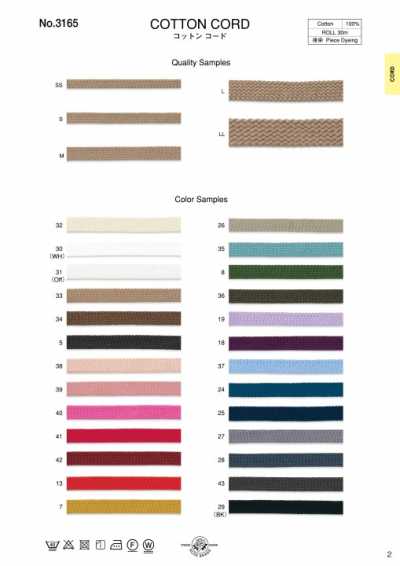
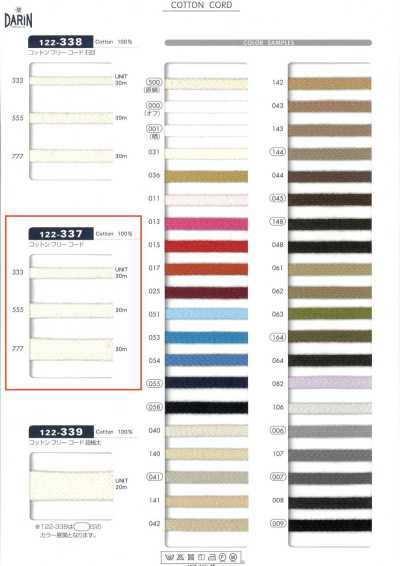
- Flat cord has a flat shape and is easy to use for waist drawstrings, bag drawstrings, and visible design details.
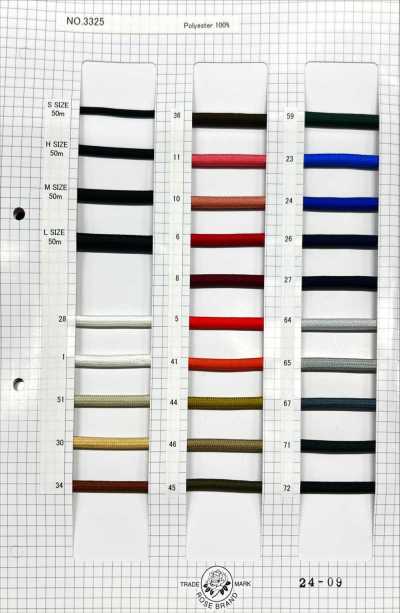
- Round cord has a circular cross section and is used for hood and bag drawcords.
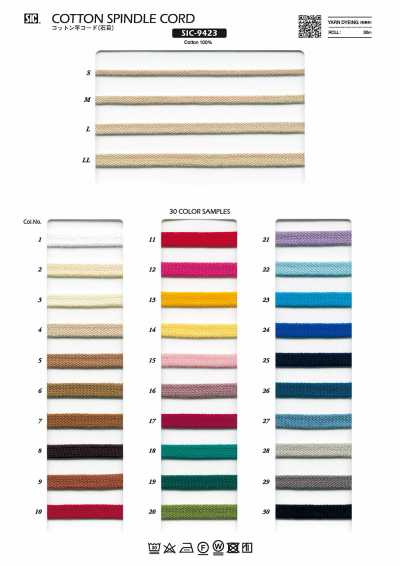
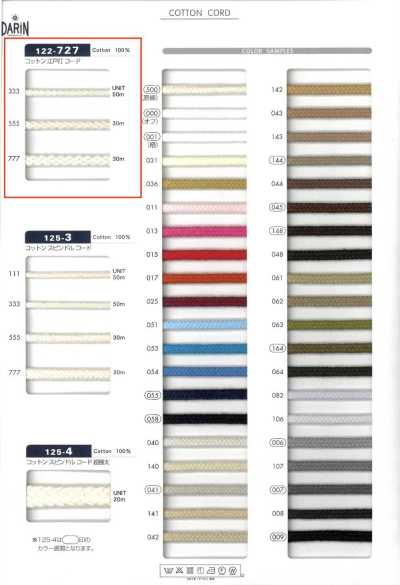
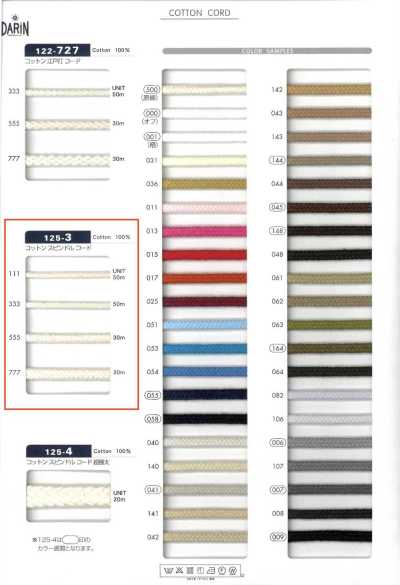
- Spindle generally refers to a round braided drawstring and is often used in casual clothing.
- Twisted cord is made by twisting multiple yarns together and has decorative appeal through its twisted texture.
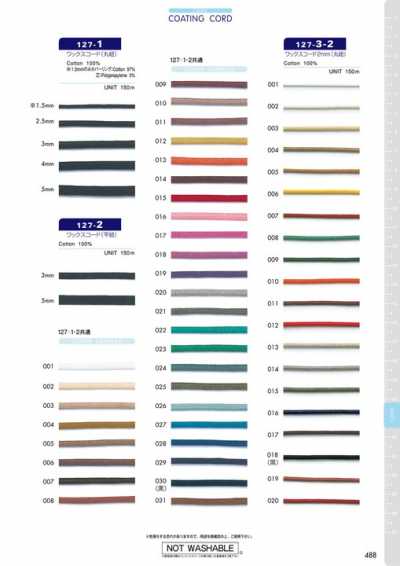
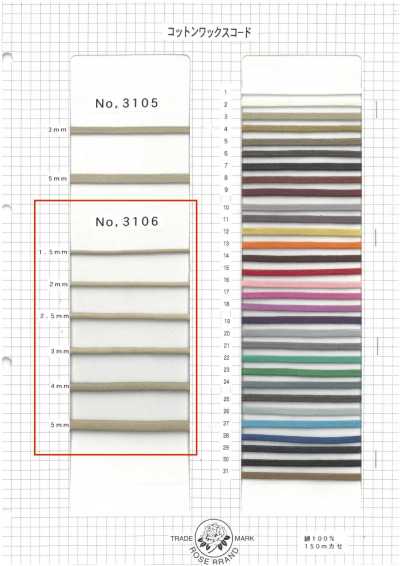
- Wax cord is cord with a wax coating on the surface and is used where a reduced fuzzy appearance or easier threading is desired.
How to Choose and How to Find It in Product Listings
First, confirm whether the cord thickness or width fits the hole or the inner diameter of the cord stopper it will pass through. For drawstrings, allow for the required length plus extra for tying and pulling. For sewn-in sections, also consider seam thickness and ease of handling during sewing.
Material differences include cotton for a natural look and feel, polyester or nylon for strength and quick drying, rayon for luster, and leather cord for a more substantial appearance. Depending on the application, also check laundering, abrasion, outdoor use, and skin contact.
In product listings, narrow the selection by type such as flat cord, round cord, spindle, leather cord, or shock cord, then check thickness or width, material, color, and length. It is easier to choose by organizing options according to use, such as round cord or spindle for hoods and waists, or shock cord for applications requiring load-bearing or stretch.
How to Attach It and Sewing Precautions
Use eyelets, loops, buttonholes, or similar openings for cord passages. When used as a drawstring, combine it with knots, cord ends, or stoppers so the end does not slip out. Sharp corners or metal edges at the threading opening can cause fuzzing or breakage due to friction.
For sewn-in sections, allow enough seam allowance with the direction of pull in mind, and reinforce with bar tacks or similar methods if necessary. Since cored or thick cords create bulky layered seams, confirm the sewing order, presser foot, needle, and thread tension through a sample trial.
After cutting, synthetic cord may have its ends sealed with heat, but depending on the material, melting, discoloration, or hardening may occur. Check in advance whether heat cutting is possible, and for natural fibers or leather, consider fray prevention, folding in the end, or finishing with hardware.
Frequently Asked Questions
How should cord, cord, and spindle be used differently?
Cord is a broad term for the entire category of long, narrow accessory materials. Cord is used in almost the same way, but it may also be used as a specification name that includes parts. Spindle generally refers to a round braided drawstring and is used for hood and waist details.
What should be checked when choosing a hood drawstring?
Check the thickness and length so they match the hood opening, the inner diameter of the cord stopper, and the required pull-out length. Also check ease of tying, slipperiness, appearance after washing, and resistance to abrasion. For products for children, safety requirements related to cord length and fastening method must also be checked separately.
- Browse Cord products
- Products with material "Cotton"
- Products with material "Polyester"
- Products with material "Nylon"
- Products with material "Rayon"
- Products with material "Leather"
- Products with material "Polypropylene"
- Products for style "For Outerwear/blousons/coats"
- Products for style "For Pants"
- Products for style "For Skirts And Dresses"
- Products for style "For Sports"
- Products for style "Outdoor"
- Products for style "For Bags"
- Browse Ribbon, Tape, Cord products