Combination Button
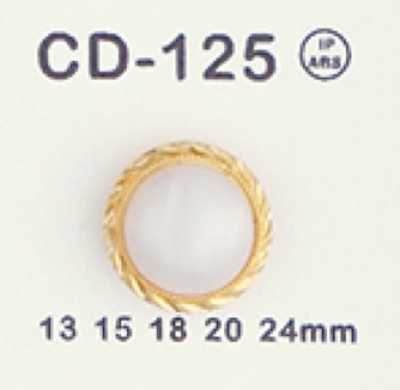
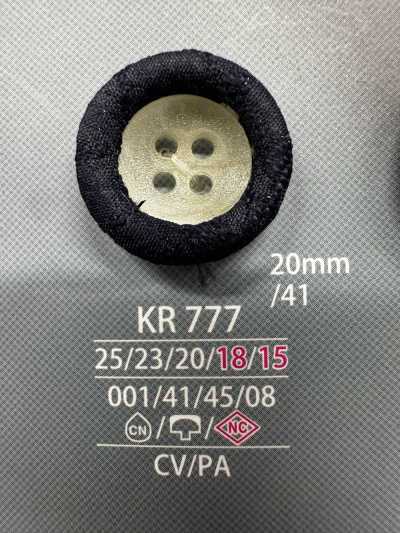
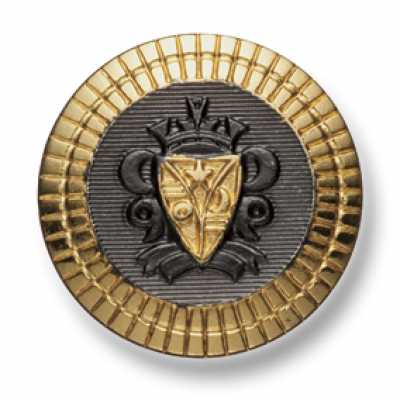
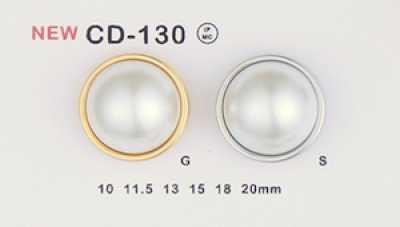
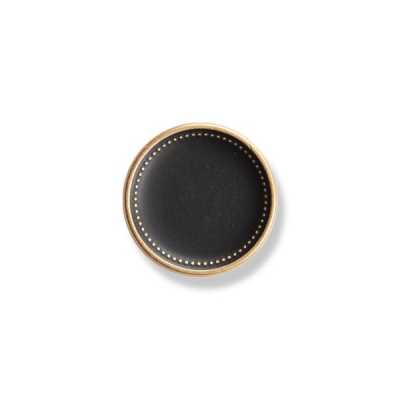
A combination button is a decorative, three-dimensional button made by combining different materials, colors, and surface designs into a single button.
Contents6 sections
Definition and Overview
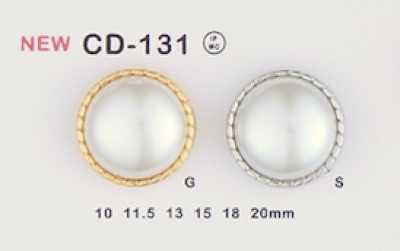
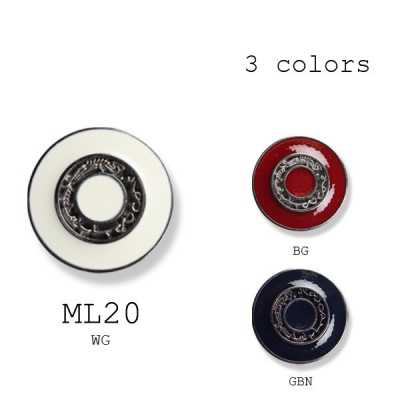
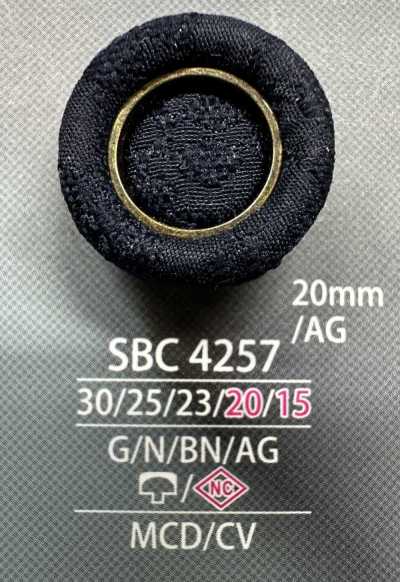
A combo button is a general term for buttons made by combining multiple materials or different colors and finishes, such as resin and metal, or shell-look surface material and a resin base. “Combo” means combination, and does not refer to a specific material type.
There are many constructions, such as those with different colors for the center and outer edge, and those with a decorative part attached to a base. Because they can add an accent while blending into the garment fabric, their appearance as an accessory affects the design.
Materials and Structure
The combined materials may include resin such as polyester resin, metal, shell, and wood-look materials. However, the name combo button alone does not indicate the actual material, bonding method, or heat resistance, so specifications must be checked for each product number.
Structures for passing thread through include hole styles such as two-hole and four-hole types, and shank styles that use a back shank to attach the thread. Hole styles feature holes on the surface as part of the design, while shank styles make it easier to create height between the button and the textile.
- Hole style: sew on with thread through two holes, four holes, and similar.
- Shank style: attach by passing thread through the back shank.
- Bonded or inset style: a structure that combines a decorative part made of a different material with a base.
Size Indication
Button size is shown by outer diameter in mm, and may also be expressed in lignes. Lignes are a customary unit used for buttons, and 1 ligne is approx. 2.54 mm. In specifications and purchase orders, it is easier to check if both ligne notation and mm dimensions are listed.
For combo buttons, in addition to the maximum outer diameter, the shank height, thickness, and protrusion of the decorative part also affect whether the buttonhole can pass through easily. Especially with raised designs, it is important not to judge suitability by outer diameter alone.
Main Uses and How to Choose
They are used on jackets, coats, cardigans, dresses, blouses, and similar items as accents on the front opening or cuffs. They are chosen for harmony with the garment fabric and other accessories, whether for a classic look, a metallic look, or a color-contrast effect.
For outerwear with thick outer fabric, confirm a fastening method that can withstand thickness and weight, as well as a shape that will pass through the buttonhole. For lightweight fabrics, check at the prototyping stage whether a heavy button will cause sagging in the textile or whether the shank contact will be noticeable.
- Match the tones and finishes of the outer fabric, lining, and zipper.
- Consider the buttonhole length in relation to the button’s maximum thickness and raised part.
- For cuffs, consider the size and quantity balance in relation to the front panels.
Attachment and Handling Precautions
Hole styles are sewn directly to the textile with thread, while shank styles may use a thread wrap to create a slight gap under the button. Thread wrap is the thread leg that absorbs fabric thickness and makes fastening and unfastening easier.
Products made by combining different materials have different resistance to washing, dry cleaning, and ironing depending on the components. Direct exposure to a hot iron, strong impact during washing, or the effects of solvents and chemicals may cause discoloration, clouding, scratches, or breakage at the joints.
Before mass production, conduct sewing tests with the actual fabric, interfacing, and sewing thread to confirm buttonhole passability, sewing strength, and appearance after washing or cleaning. If metal is included, also watch for discoloration due to moisture and color transfer to other materials.
Frequently Asked Questions
What is the difference between a combo button and a metal button?
A metal button refers mainly to a button made of metal. A combo button, on the other hand, is a name for a structure that combines different materials, colors, or designs. Therefore, one made by combining metal and resin can also be considered a combo button with metal elements.
Can combo buttons be machine washed at home?
Whether they can be washed depends on the combined materials, surface finish, and joining method. Do not judge based on the name combo button alone; check the individual care conditions. Using a laundry net in the washing machine is a common way to reduce contact with other garments.
How do you determine combo buttonhole dimensions?
Do not look only at the outer diameter; consider whether the thickest part and the shape of the decorative section can pass through. Since material stretch and the thickness of the buttonhole stitching also affect the result, make a sample with the actual fabric and confirm that it is easy to fasten and unfasten without coming undone unintentionally.