Garment Wash
Garment wash is a finishing process performed after sewing the garment into its final shape, using washing and drying to give the product-stage item changes in hand feel, shrinkage, fading, and similar effects.
Contents6 sections
Definition and Position in the Process
Product washing is a post-process applied not at the textile stage, but to garments after cutting and sewing are complete. By combining washing, water washing, drying, and, if necessary, softening treatment, it gives each product a worn-in look, softness, natural shrinkage, and other effects.
The typical process is specification review, prototyping and wash sample creation, sewing, product washing, drying and finishing, and inspection. Because dimensions and appearance change after washing, the pattern, textile, sewing specifications, and trims must be coordinated from the planning stage.
Resulting Appearance and Effects on Materials
In product washing, depending on the material and washing method, it is possible to soften the hand, create a natural wrinkled surface, and produce wear marks at seams and edges. It is often used for denim, cotton woven fabrics, cotton knits, and similar materials, but even with the same treatment, the result varies depending on the material composition and color.
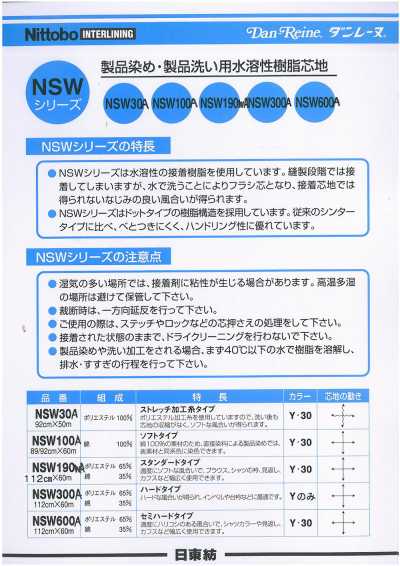
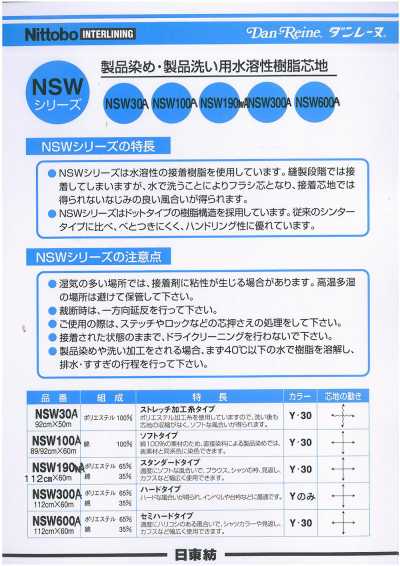
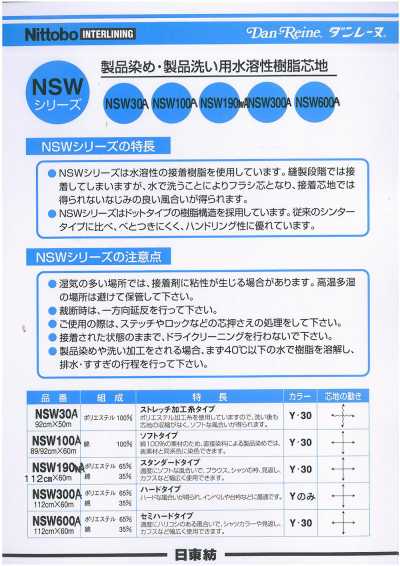
Shrinkage, twisting, color fading, fuzzing, and damage to trims caused by washing are both design effects and quality control check items. In particular, combinations of different materials, light-colored items, printed items, and areas using fusible interlining should be checked in advance for appearance changes and any peeling.
Procedure and Specification Settings
When placing an order, it is important not to communicate the desired hand only in words, but to share it using wash samples or standard samples. Set the washing method, drying method, color depth, acceptable range for wrinkles and wear marks, and dimensional standards, and evaluate them with prototypes including sewing specifications before mass production.
If the dimensions after washing are managed as the product dimensions, the shrinkage amount must be included in the pre-wash pattern. However, shrinkage is not uniform and varies depending on grain direction, area, and sewing method. Clarify the control points such as garment length, body width, and inseam, as well as the measurement method, in the specification sheet.
- Check the color, hand, dimensions, and condition of trims with a wash sample.
- Use the same material lot, sewing specifications, and trims as the actual production for prototyping.
- Confirm the processes and acceptance criteria for repair, pressing, and inspection required after washing.
Points to Note for Ordering and Quality Control
In product washing, the finish may vary not only by processing conditions, but also by how the product is packed, the amount processed, and the material lot. In mass production, management is easier if the acceptable range of color difference and wear marks is agreed upon in advance and sample checks are performed for each lot.
Trims such as buttons, zipper, and snap buttons may be scratched, discolored, have paint peeling, or come off due to washing and drying. Check product durability and appearance, including corrosion of metal trims, staining onto the textile, and color fading of sewing thread.
For products expected to change with home laundering, evaluate not only the state after product washing, but also dimensional changes, color transfer, and appearance after washing according to the care label instructions. Care label instructions should be set based on the results of actual product tests using the materials, trims, and processed products to be adopted.
Differences from Similar Terms
Garment dyeing is a process that dyes finished products, and its purpose and treatment differ from product washing. Product washing may be combined with washing after dyeing, but product washing itself does not necessarily involve dyeing.
Pre-washing is a treatment mainly performed to stabilize the shrinkage of textiles and parts in advance. In contrast, product washing differs in that its purpose is to give the finished item hand and character and to bring it to the post-wash product dimensions.
Frequently Asked Questions
If product washing is used, can the pattern be left as usual?
Not necessarily. If the post-wash dimensions are used as the standard, the pattern must include the shrinkage amount according to the material and sewing specifications. Since shrinkage differs by area, washing tests should be carried out with the actual specifications before mass production, and the control dimensions should be determined.
Can product washing prevent color fading or color transfer?
Washing may remove excess dye in some cases, but it does not necessarily prevent color fading or color transfer completely. For dark-colored items and color-blocked items, check not only colorfastness after washing, but also staining caused by contact while wet. Washing precautions should also be reflected in the care label instructions.
What should be considered when selecting trims for garments that undergo product washing?
It is important to check for discoloration, scratches, detachment, and corrosion caused by washing, drying, and contact with chemicals. In particular, test metal trims, coated items, resin trims, and bonded areas in the finished product state. Do not choose based only on appearance; decide whether to adopt them based on the appearance and function after processing.