Breathability
Breathability is the property that allows air to pass through both sides of a textile, and it is a performance characteristic affected by the gaps in the weave or knit, density, thickness, and finishing, influencing ventilation and resistance to stuffiness when worn.
Contents6 sections
Definition and Overview
Breathability is the degree to which air passes through a textile when a pressure difference occurs. In general, the larger the voids in the textile and the lower the density of the yarn and structure, the easier it is for air to pass through. When handled as an evaluation value, the term air permeability may be used.
Breathability is a performance related to airflow while wearing, but it is not the same as moisture permeability, which is the property of allowing water vapor to pass through. Not only the breathability of the textile itself, but also the lining, interfacing, pocket bags, and layering specifications affect the overall airflow felt in a garment.
Features and Effect on Appearance
Textiles with high breathability allow wind to pass through more easily and tend to trap less heat in hot weather or during exercise. Coarse structures, mesh knits, and lightweight textiles are easier to make breathable, but they may also make skin or inner layers more visible and may reduce wind resistance.
Breathability is not determined by material name alone. Even with the same cotton or polyester, it changes greatly depending on yarn thickness, twist, weave or knit structure, density, whether it is brushed, coating, and other factors. A cool-looking appearance or a dry texture does not necessarily mean high breathability.
Main Applications
Textiles that emphasize breathability are used for spring and summer shirts, blouses, dresses, innerwear, sportswear, and more. In uniforms and workwear, they may be designed with the wearing environment, amount of movement, and durability in mind, including partial use and omission of lining.
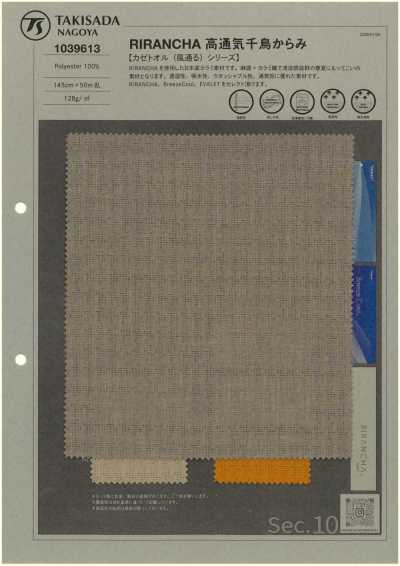
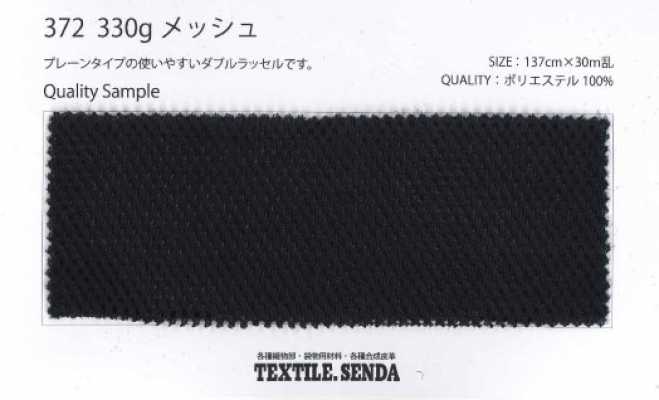
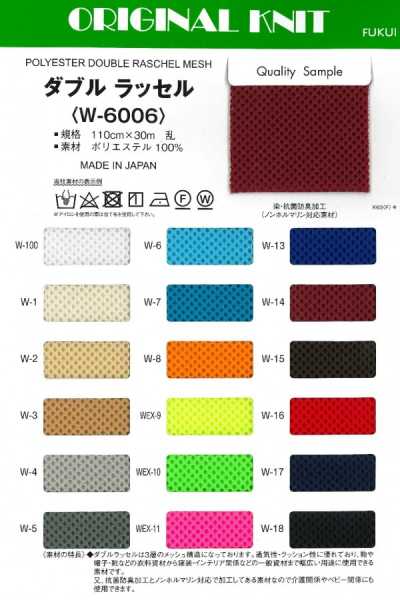
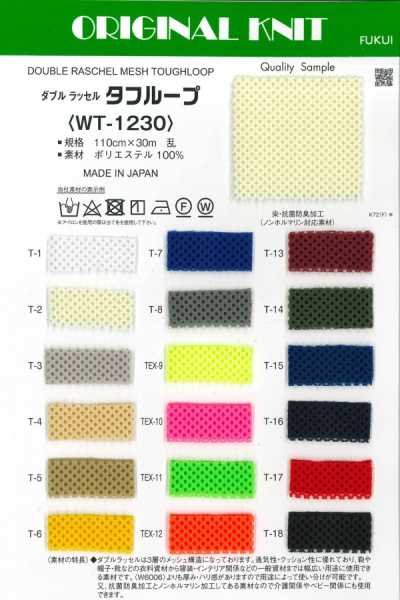
Lawn, voile, gauze, leno weave, and mesh may be selected as textiles that allow air to pass through easily depending on their structure. However, even textiles with the same name differ in performance depending on specifications and finishing, so they should be checked in person rather than judged by name alone.
How to Choose and Handling Precautions
When selecting a textile, check breathability along with sheerness, water absorbency, quick-drying performance, moisture permeability, wind resistance, and strength according to the application. When comparing numerical values, it is important to verify data under the same conditions, as different test methods and sample conditions make simple comparison impossible.
Thin textiles with large voids may stretch, shift, or cause wavy seams during cutting and sewing. Test fine needles and thread, and adjust presser foot pressure and feed. Shrinkage and distortion of the structure may also occur during washing, so perform a water soak or washing test before mass production and check the shrinkage rate.
Differences from Similar Terms
Breathability refers to how easily air passes through, while moisture permeability refers to how easily water vapor passes through, such as sweat. Water absorbency is the property of absorbing liquid water, and quick-drying absorbency is a function that makes absorbed moisture easier to disperse and dry. These are related, but they are evaluated separately.
Waterproof, moisture-permeable materials are intended to block water droplets while allowing water vapor to escape, but some are designed to be less permeable to air. High breathability and high moisture permeability or waterproofness are not synonymous, so priorities should be set based on the intended wearing environment.
Frequently Asked Questions
Does a highly breathable textile always feel cooler?
It does not always feel equally cool. Breathability affects how easily air passes through, but how hot it feels is also influenced by water absorbency, quick-drying performance, moisture permeability, cool to the touch, color, and ease of movement inside the garment. Check multiple performance factors according to the application.
How should breathability and moisture permeability be used differently?
Breathability is the property of air itself passing through the textile, while moisture permeability is the property of water vapor passing through. Breathability may be emphasized for summer items and sportswear where airflow is desired, while moisture permeability is checked for rainwear outerwear and similar items, with water resistance taken into account.
What should be considered when sewing a thin, breathable textile?
Thin or open-weave textiles may stretch easily during sewing, causing seam puckering, waviness, or noticeable needle holes. Before full production, test suitable needle, thread, and stitch conditions, and use interfacing or tape for stabilization as needed to confirm performance.