Leno Weave
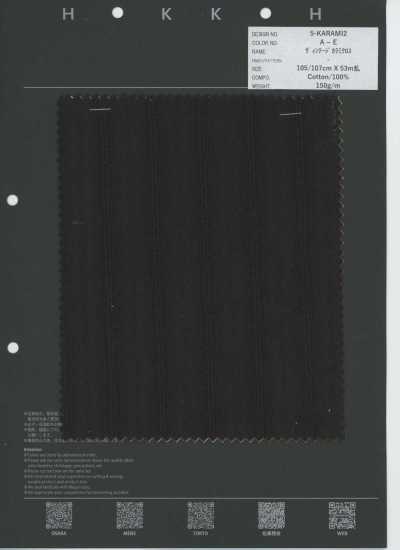
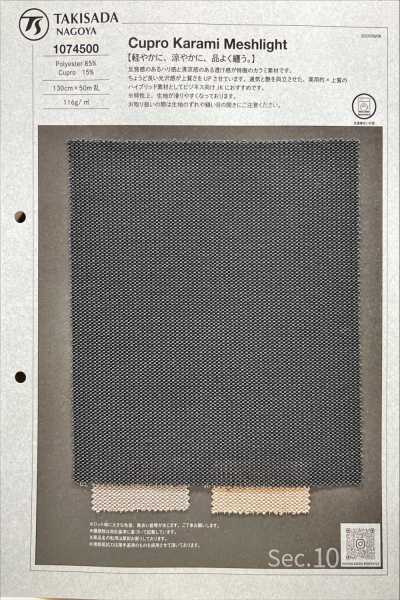
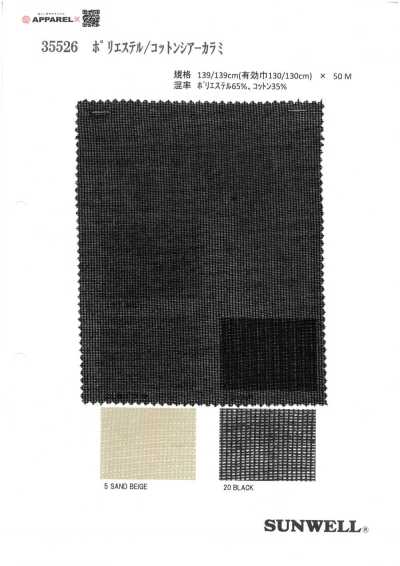
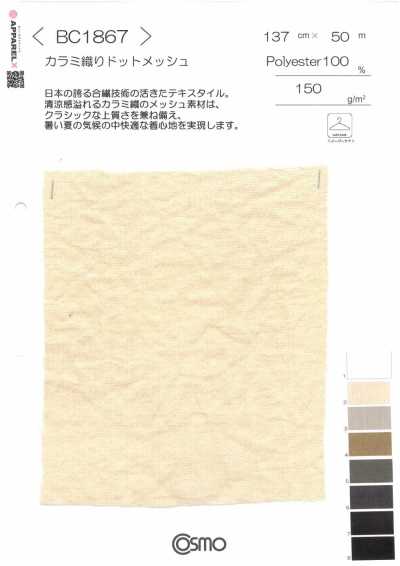
Leno weave is a woven structure with an open, sheer appearance that holds the weft in place by crossing part of the warp yarns over adjacent warp yarns, making the yarns less likely to shift even in an open weave.
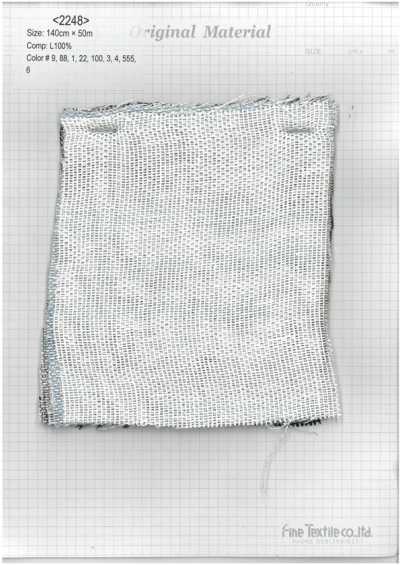
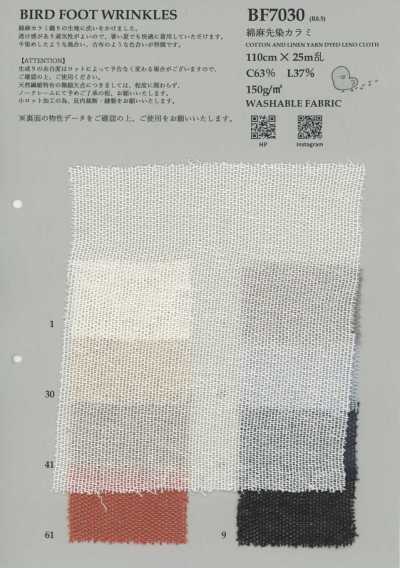
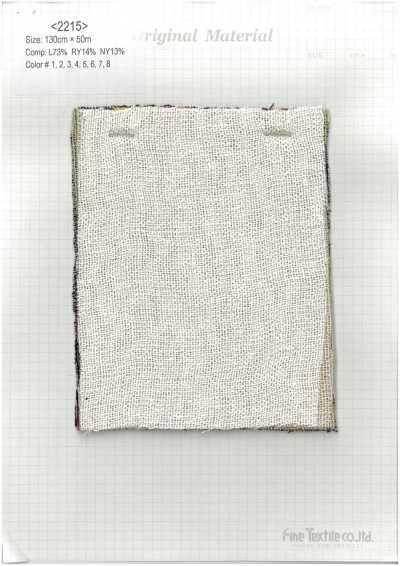
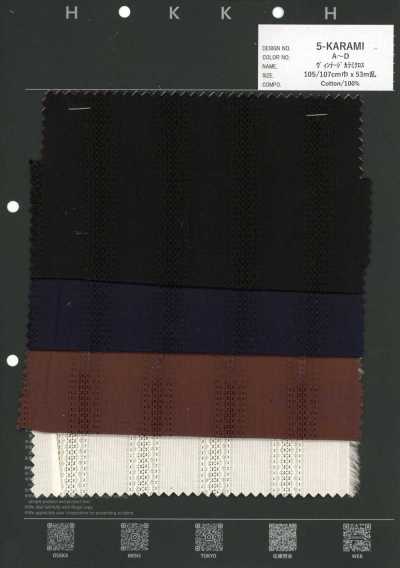
Contents6 sections
Definition and Overview
Leno weave is a weave structure in which leno yarns are combined with regular warp yarns, and the leno yarns alternately cross to the left and right of the warp yarns to hold the weft in place. It is characterized by making spaces in the weave while keeping the yarn position stable.
“Leno” refers to the structure and weaving method, not to a raw material name. Depending on the fibers used, yarn thickness, density, and finishing, such as cotton, linen, silk, and polyester, firmness, transparency, and strength vary greatly.
Texture and Function
It tends to have an open woven appearance and gives a light, cool look. Because the gaps allow air to pass through, it generally has excellent breathability. However, the degree of sheerness varies not only with the structure but also with yarn thickness, density, and color.
In loosely woven fabrics, the weft may move easily, but leno weave holds the weft in place by having the warp yarns wrap around it. For this reason, compared with plain weave of similar openness, it is a structure that more easily prevents yarn slippage. However, resistance to friction and snagging must be confirmed for each material and specification.
- Sheerness and a raised woven appearance are easy to express.
- The contact area against the skin is small, so it may feel smooth and dry.
- Depending on yarn thickness and density, it can be made from delicate lightweight fabrics to comparatively firm textiles.
Main Applications
Taking advantage of its lightness and breathability, it is used for spring and summer shirts, blouses, dresses, skirts, scarves, and more. When using sheer textiles for apparel, layering design, lining, and innerwear selection also affect the product’s appearance and comfort.
In addition to fashion applications, it is also used where breathability and a mesh-like appearance are desired. However, the structure name leno weave alone does not determine the strength, dimensional stability, or wash durability required for the application, so these are confirmed using test data and actual samples for each textile.
Selection and Handling Precautions
When selecting, check the material blend ratio, fabric weight, density, sheerness, stretch, and yarn slippage near seams. In lightweight fabrics, seam allowances and overlaps such as pockets may show through from the outside, so it is important at the specification stage to consider finishing methods, the use of interfacing, and whether lining is needed.
Shrinkage and changes in texture due to washing depend on the type of fiber and finishing. Before cutting, perform straightening and, if necessary, scouring in hot water, and carry out washing tests before mass production. Follow the washing instructions on the textile or product label.
In sewing, needle holes and seams may stand out in loosely woven fabrics. Choose a fine needle and thread suitable for the textile, and to prevent waviness from feeding, seam shrinkage, and snagging, make a sewing test on scrap pieces before deciding the conditions.
Differences from Similar Terms
Gauze can include items made with leno weave, but it is also used as a name for applications and for a thin, soft texture. Leno weave is a term focused on a weave structure that crosses warp yarns to secure the weft, and the two are not necessarily synonymous.
Mesh is used as a general term for net-like fabrics with breathability, and the manufacturing method may differ, such as knitting, nonwoven, or weaving. Leno weave is one type of woven structure. Also, plain weave is the basic structure in which warp and weft are interlaced alternately up and down, and unlike leno weave it does not cross warp yarns with each other.
Frequently Asked Questions
Is leno weave the same as gauze?
They may be treated as having the same meaning, but strictly speaking they are different. Leno weave is a woven structure in which warp yarns cross to secure the weft. Gauze is also used as a name for thin, soft textiles, and does not necessarily refer only to the structure. In specifications, confirm the structure and material separately.
Does leno weave shrink when washed?
Whether shrinkage occurs and to what extent is not determined by the leno weave structure alone. It varies depending on the material, such as cotton, linen, or silk, as well as the yarn, density, dyeing and finishing processes, and washing conditions. Before productization, it is important to conduct washing tests and, if necessary, perform straightening or scouring in hot water to confirm the shrinkage rate.
What should be considered when sewing leno weave fabric?
In fabrics with a loose weave, needle holes, seams, and overlapping seam allowances may stand out. Choose needles and thread suited to the material and fabric thickness, and check for seam shrinkage, waviness, and yarn slippage with trial stitching. Avoid snagging during cutting and sewing, and adjust seam finishing and reinforcement methods as needed.