Weather Cloth
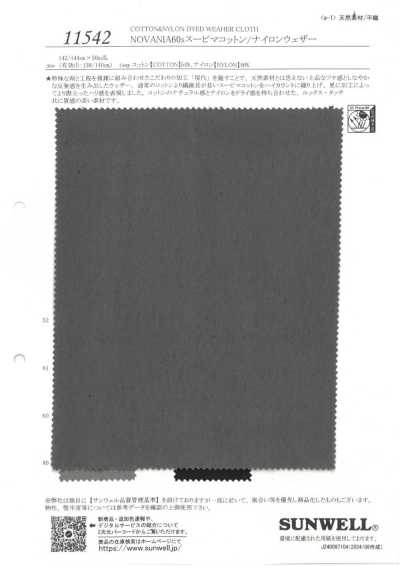
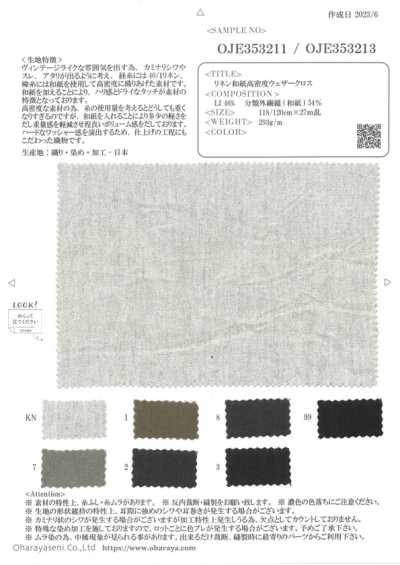
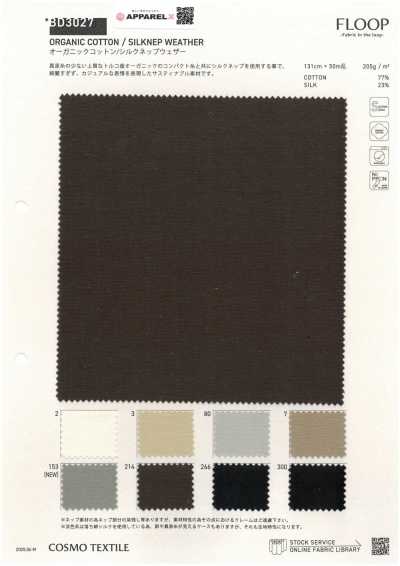
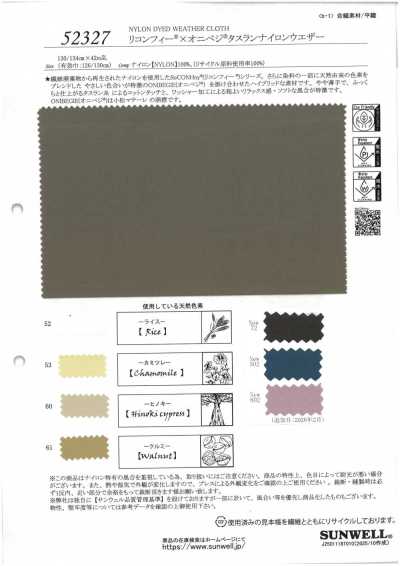
Weather cloth is a mainly plain-woven fabric made by weaving fine-count yarns densely to make it less air-permeable and give it moderate body.
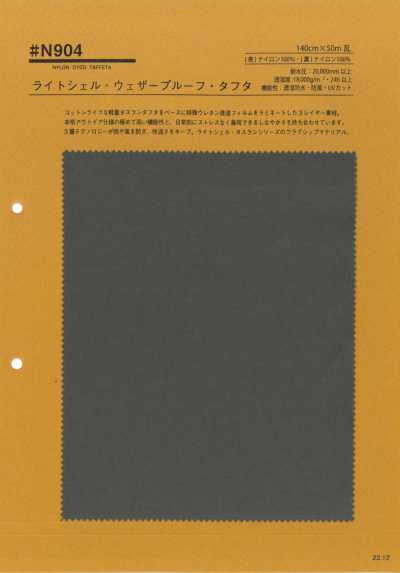
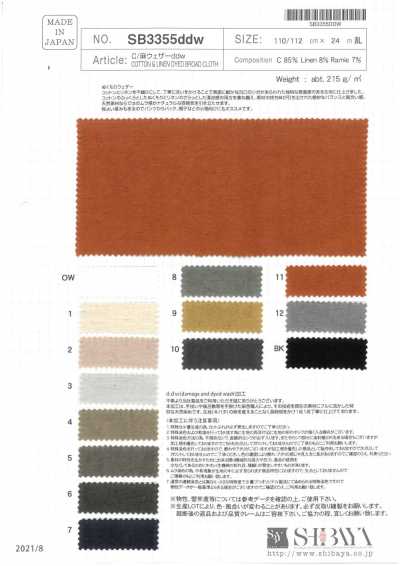
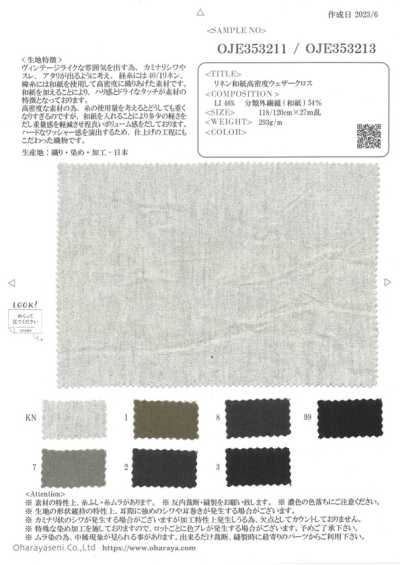
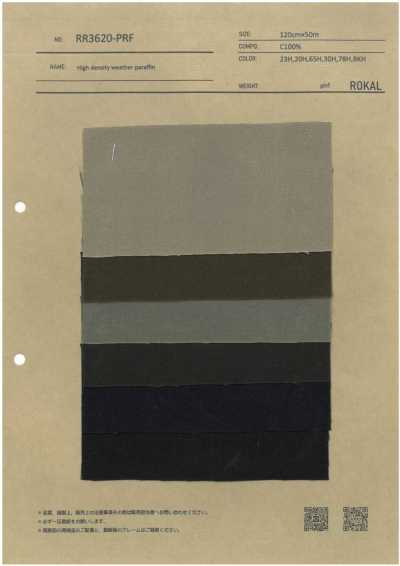
Contents6 sections
Definition and Overview
Weather cloth is a general term for high-density fabrics woven with warp and weft yarns packed closely together. It is generally plain weave, and depending on the yarn, density, and finishing, it ranges from lightweight to firm-textured. Do not judge composition or waterproofness from the name alone; it is necessary to check the specifications.
Those made with cotton are typical, but they are also made with polyester, nylon, or blended materials. By tightening the weave, it is characterized by being able to achieve a certain level of wind resistance without relying on coating.
Texture and Function
The surface is relatively smooth, giving an appearance in which the weave is not very noticeable. It has firmness and body, making it easy to create a three-dimensional silhouette, but depending on the material and density, some may feel friction noise or stiffness when worn.
Because it is high-density, it is less permeable to wind, and some textiles can also help shield against light rain. However, high density does not mean the same thing as waterproofness or water repellency. If protection from rain is required, check separately whether water-repellent finishing has been applied and the tested water resistance value.
- Mostly cotton: tends to develop a natural look and age-related changes.
- Synthetic fiber blend: may offer lightness, quick drying, and reduced wrinkling.
- Processed products: for water repellency and wind resistance, check the processing details and durability.
Main Applications and Seasons
It is used for shirts, blouses, dresses, skirts, and pants, as well as mountain parkas and light outerwear. Making use of its moderate firmness, it is also suitable for designs that emphasize the shape of collars, pockets, and tucks.
The suitable season varies depending on thickness, composition, and finish. Lightweight types are often used for spring-summer shirts and jackets, while slightly heavier types with an emphasis on wind resistance are often used for spring-autumn outerwear.
Selection and Handling Notes
When selecting, check the composition, fabric weight, density, and fabric width, as well as firmness, sheerness, and breathability in the actual material. High-density fabrics may show needle holes, so for designs where stitching is visible on the surface, confirm the needle size, thread size, and stitch balance with a sewing sample.
Product numbers containing cotton may shrink or wrinkle after washing. Before cutting and sewing, if necessary, carry out wetting or straightening, and for mass production, confirm the shrinkage rate with a washing test in line with the care instructions. Dark-colored products also require attention to color transfer due to friction.
Water-repellent finished products may lose performance through washing or friction during wear. Ironing temperature, drying method, and detergent type should follow the handling conditions for each textile, and whether reprocessing is possible should also be checked in advance.
Differences from Similar Terms
Typewriter cloth refers to a plain weave woven with fine yarn at high density, and is often treated as having a crisp, paper-like texture. Some textiles overlap with weather cloth, but the distinction in naming varies depending on fabric makers and common market usage.
Poplin and broadcloth are also known as shirt fabrics in plain weave, but weather cloth tends to be treated as a fabric with higher density and an emphasis on firmness and wind resistance. Chinocross differs in that it is mainly a twill weave, whereas weather cloth is centered on plain weave.
Frequently Asked Questions
Is weather cloth a waterproof textile?
Weather cloth is woven at high density, so it may be less permeable to wind and less likely to let in light rain, but that alone does not make it a waterproof textile. For products that require waterproofness, check the specifications for the presence of water-repellent finishing, coating, lamination, and water pressure resistance.
Does weather cloth shrink when washed?
Weather cloth that is mainly cotton may shrink or wrinkle after washing. The amount of shrinkage varies depending on the composition, density, dyeing and finishing, and washing conditions, so carry out a washing test before mass production and, if necessary, consider wetting the fabric or using shrink-resistant finished products.
What should be noted when sewing weather cloth?
High-density fabrics with firmness may show needle holes if a thick needle or unsuitable sewing conditions are used. Confirm the needle, thread, and stitch settings that suit the fabric with a sewing sample, and it is important to reduce resewing. For thick fabrics, also check the thickness where seam allowances overlap.
- Browse Weather Cloth products
- Products with material "Cotton"
- Products with material "Polyester"
- Products with material "Nylon"
- Products for style "For Shirts/blouses"
- Products for style "For Outerwear/blousons/coats"
- Products for style "For Pants"
- Products for style "For Skirts And Dresses"
- Browse Textile products