Chino Cloth
Chino cloth is a woven fabric made mainly from cotton yarn in a twill weave, with moderate thickness and durability. It is used widely, from chino pants to casual wear and uniforms.
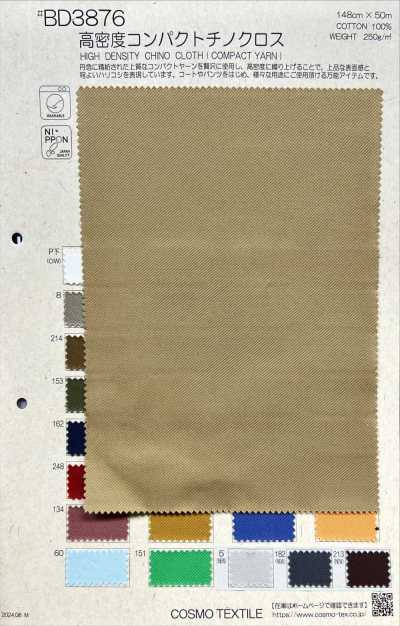
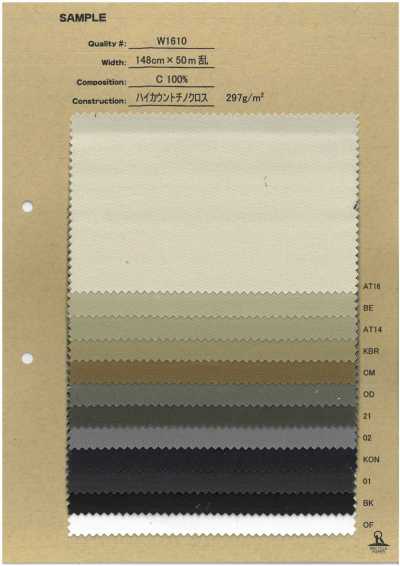
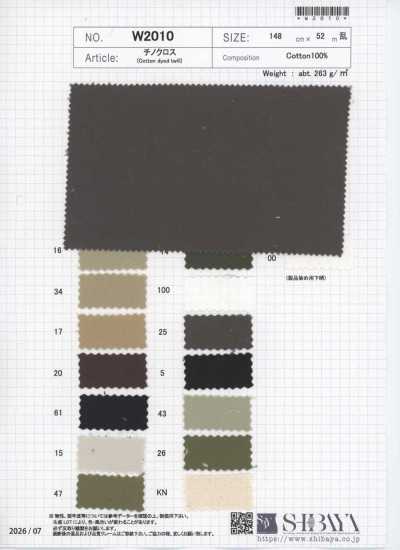
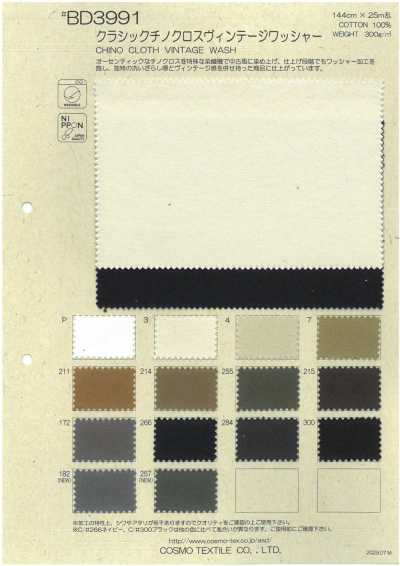
Contents6 sections
Definition and Overview
Chino cloth is a twill fabric made mainly from cotton. It is generally woven so that more warp yarns appear on the surface, and the surface shows the characteristic diagonal ridges of twill weave. Depending on dyeing, processing, and yarn selection, it ranges from lightweight to sturdy.
The name does not indicate only the material composition; it is a term derived from the weave structure and intended use. 100% cotton products are typical, but depending on the application, polyester or polyurethane may be blended in to add ease of handling and stretch.
Characteristics
It has moderate firmness and body, giving a casual and practical impression. High-density weaves have a relatively smooth surface and are also suitable for neat-looking pants and jackets. On the other hand, washing or brushed processing can give it a softer, more subdued texture.
Because it is mainly cotton, it is expected to have moisture absorbency, and another feature is that its texture changes with wear. However, dark colors may experience color transfer due to friction, color fading from washing, and cotton-specific shrinkage.
- It has a surface with visible twill lines and moderate thickness.
- Hardness and lightness change depending on density, fabric weight, and finishing.
- Stretch versions are also used for applications that require ease of movement.
Main Applications
The most typical application is chinos. It is also used for work pants, skirts, shirt jackets, coveralls, and blousons. By choosing the fabric thickness and finish, it can be used for lightweight clothing for spring and summer as well as bottoms for autumn and winter.
Taking advantage of its durability and ease of handling, it is also used for uniforms and workwear. Thin fabrics can be used for shirts and dresses, while thick fabrics can also be used for bags, but the strength, colorfastness, and washing conditions required for the application should be checked for each fabric.
Selection and Handling Notes
When selecting, check the composition, fabric weight, density, stretch, and finishing. For pants, a firm fabric that holds its shape is a good choice, while garments with a lot of movement may benefit from stretch options such as polyurethane blends. It is important to check thickness, sheerness, and the sewn result using samples.
For cotton-based fabrics, consider pre-washing before cutting and checking shrinkage before full production. With dark colors or sulfur dyes, attention is needed for color fading during washing and color transfer to other garments. Align the grain correctly before cutting, and also pay attention to stretching and puckering during sewing, especially on long side seams.
- Follow the care label and the recommended conditions for each fabric.
- For the first wash, consider washing separately.
- Check color, texture, and shrinkage rate for each lot.
Differences from Similar Terms
Twill is a general term for fabrics with a twill weave, while chino cloth refers specifically to a practical twill fabric that is mainly cotton and used for chinos and similar items. For this reason, chino cloth is sometimes treated as a type of twill.
Denim is also a twill fabric, but it is generally made with colored yarn in the warp and white yarn in the weft, so the front and back often differ in color. Chino cloth is often piece-dyed and generally appears as a more uniform color surface than denim. Gabardine may feature a denser twill structure and a sharper appearance.
FAQ
Can chino cloth be used for items other than chinos?
Yes. Depending on thickness, density, and finish, it is used for jackets, skirts, workwear, blousons, bags, and more. Thin fabrics are suitable for light garments, while sturdier ones are suited to bottoms and outerwear. Please check strength, sheerness, and stretch according to the product application.
Does chino cloth shrink when washed?
Chino cloth that is mainly cotton may shrink when washed. The degree of shrinkage varies depending on the composition, density, whether it has been dyed or shrink-treated, and the washing and drying conditions. Before mass production, conduct shrinkage tests and, if necessary, consider pre-washing or allowing for shrinkage in the pattern.
How can you tell chino cloth and denim apart?
Both are often twill fabrics, but denim is generally characterized by the back side looking whitish because of the color difference between the warp and weft yarns. Chino cloth is often piece-dyed and looks more uniformly colored overall, giving it a calmer appearance. However, the appearance varies depending on the dyeing method and processing.