Water Pressure Resistance
Water pressure resistance is an index that expresses, by water column height and other measures, the performance of a fabric in withstanding water pressure applied to it before water penetrates to the opposite side.
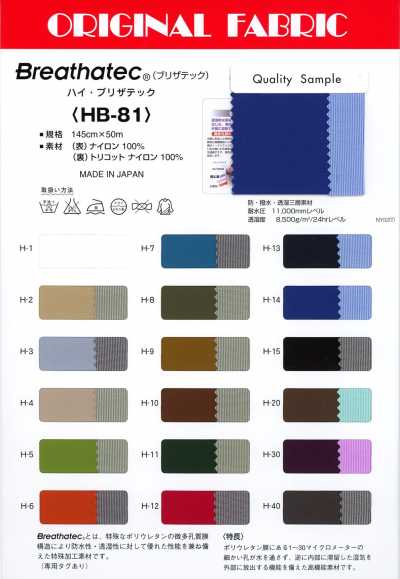
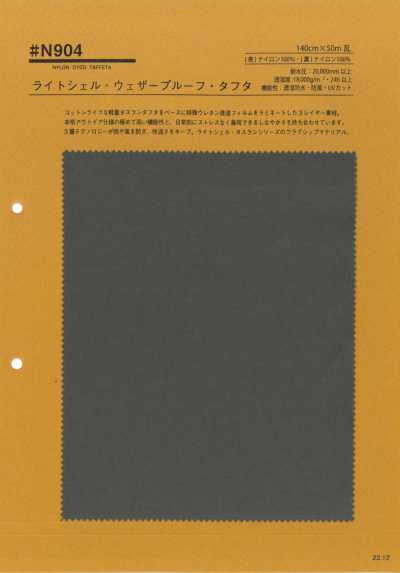
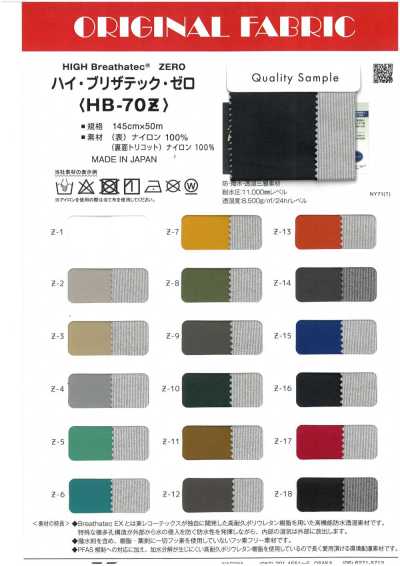
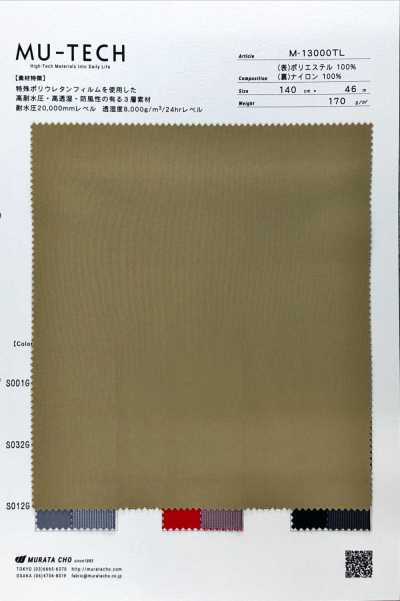
Contents6 sections
Definition and Overview
Water resistance is an indicator that evaluates the resistance of a fabric when water pressure is applied to its surface, until water droplets penetrate to the reverse side. In general, the higher the value, the easier it is to prevent water from entering through rain or wet conditions.
This performance is achieved not only by the fabric material itself, but also through dense weaving, coating, lamination, and processing that uses a membrane. However, the water resistance of the fabric alone does not directly indicate the overall water resistance of the product.
Features and Comfort
Fabrics with high water resistance are suitable for situations exposed to rain. On the other hand, depending on the type of coating or lamination and the fabric structure, they may gain firmness, stiffness, thickness, and a glossy surface appearance, which can change softness and drape.
High water resistance and resistance to stuffiness are different properties. The ability to let water vapor escape from inside the garment is checked by moisture permeability. Depending on the application, it is important to consider water resistance, moisture permeability, and air permeability together.
Main Applications
It is used for outerwear that needs protection from rain and moisture, such as rainwear, mountain parkas, and windbreakers. It is used year-round, but performance checks are especially required during the rainy season, autumn rains, and for outdoor activities.
It is also used for bags, covers, and workwear. For areas that come into contact with seating surfaces or for carrying items, not only rain but also water ingress under pressure should be assumed, and judgment should include specifications beyond the fabric itself.
- To reduce water ingress through seams, consider water-resistant specifications such as seam tape.
- For openings, specifications such as water repellent zippers and flaps may be used.
How to Choose and Handling Notes
When selecting, organize the expected rainfall, wearing time, and whether load will be applied, and check the required water resistance in the fabric specification sheet or test results. Water repellency is the property of repelling water on the surface and is different from water resistance, so check both separately.
In sewing, needle holes and seams can become pathways for water. Care is also needed when attaching accessories that create holes in the fabric or when resewing. Test sewing conditions on scraps, and if necessary, apply waterproof treatment to the seams.
Performance may decline as surface treatments or membranes change due to washing, friction, folding, or long-term use. It is important to follow the care instructions and handling conditions from the fabric supplier, and to perform wash tests and appearance checks on the finished product.
Differences from Similar Terms
Water-repellent processing is a treatment that makes water droplets bead up and roll off the surface more easily. Unlike water resistance, which indicates the ability to withstand water pressure, even water-repellent materials may allow water to penetrate under strong rain or pressure.
Waterproof breathable refers to a function or specification that reduces water ingress while allowing water vapor to pass through more easily. Water resistance is mainly an evaluation item showing resistance to water ingress, and it is treated as one of the performance factors that make up waterproof breathable products.
Frequently Asked Questions
If water resistance is high, will the product be completely leak-free?
Even if the fabric has high water resistance, water may enter through seams, zippers, pocket openings, or accessory attachment areas. To ensure product waterproofing, it is necessary to confirm the finished product, including fabric performance, seam tape, water-resistant specifications, and pattern design.
Which should be prioritized, water resistance or water repellency?
If you want to keep water droplets from remaining on the surface during short, light rain, water repellency is useful. If you want to reduce water ingress in environments where rain pressure or load is applied, water resistance is important. For rainwear and similar items, check both performances and changes after washing.
What should be considered when sewing a fabric with water resistance?
Because needle holes and seams are prone to water ingress, the needle, thread, and seam specifications should be considered in advance. Avoid resewing, as it creates more holes, and treat seams with seam tape if necessary. Some coatings and membranes are sensitive to heat, so iron settings should also be checked.