Washer Finish
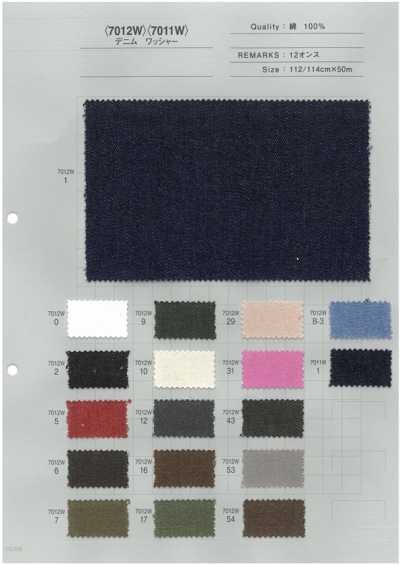
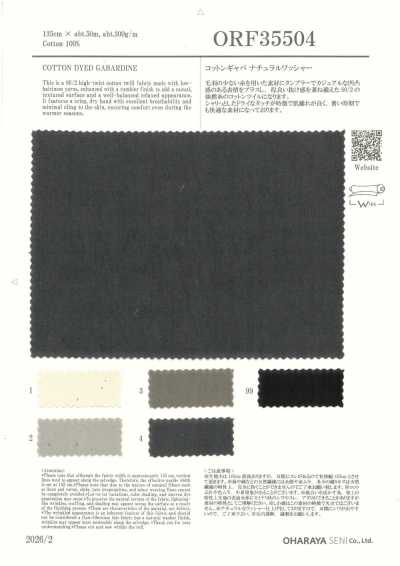
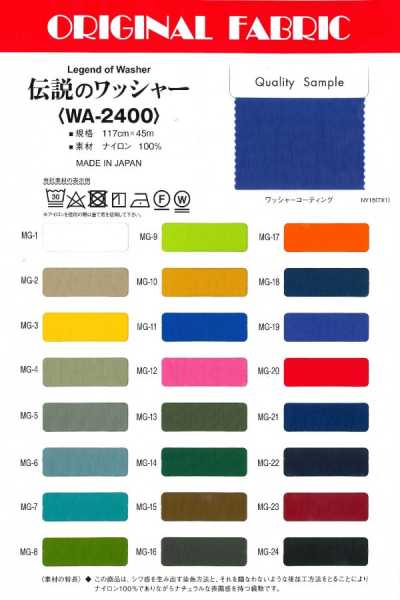
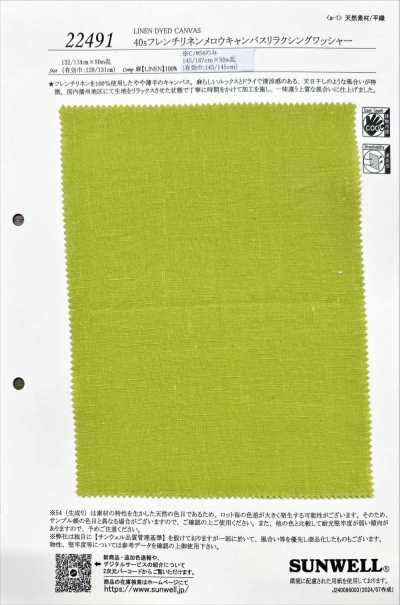
Washer Finish is a processing method that applies kneading, compression, and similar actions to textile to create irregular wrinkles and surface texture, resulting in a soft, natural feel.
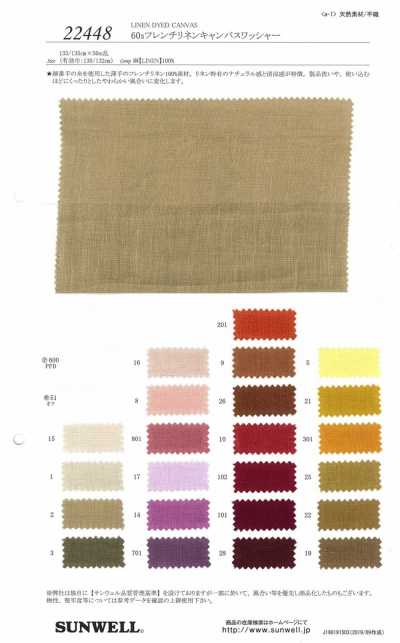
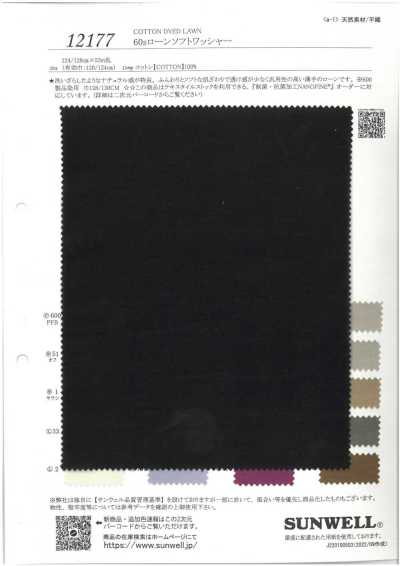
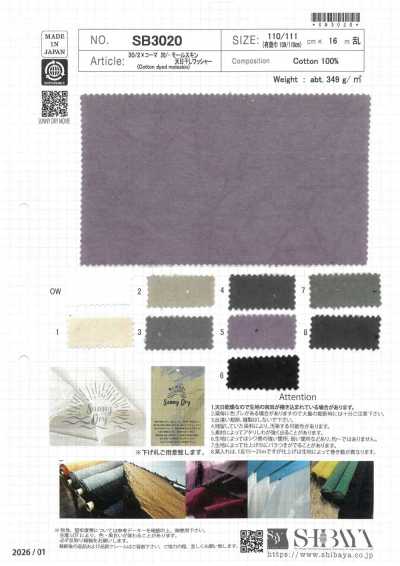
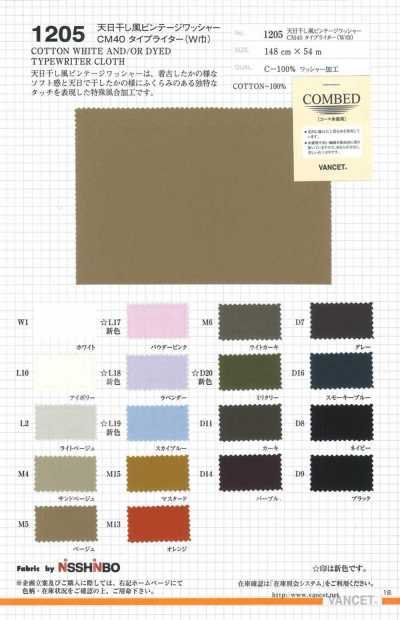
Contents6 sections
Definition and Overview
Washer Finish is a finishing process that gives woven and knitted fabrics an intentionally irregular wrinkled look and textured surface. Depending on the material, structure, and processing method, the appearance differs, creating a natural look and a texture that does not cling to the skin.
Washer Finish is not a name for the type of fabric or weave, but the name of a process added in a later stage. Even with the same plain weave or lawn, the appearance, hand feel, and finished result change depending on whether Washer Finish is applied.
Texture and Appearance Features
The process creates random wrinkles and fine texture on the fabric surface, giving it a relaxed look that differs from uniform, smooth fabric. Depending on the intensity of the process and the material, the effect ranges from light, soft wrinkles to a more pronounced crinkled texture.
Because the surface texture reduces the area in contact with the skin, it can provide a dry, comfortable feel in lightweight fabrics. However, performance such as water absorbency, breathability, and stretchability is mainly affected by the type of fiber, fabric structure, and density.
Because wrinkles are a defining feature, minor wrinkles caused by normal wear or washing may be less noticeable. On the other hand, the way the wrinkles appear may differ from piece to piece or by section, so it may not be suitable for products that require a uniform surface appearance.
Main Applications
It is used in light to medium-weight fabrics made from cotton, linen, rayon, polyester, and other materials, and is applied to shirts, blouses, dresses, skirts, easy pants, and similar items. It works well for casual wear and relaxed designs that make use of a natural look.
Lightweight, textured fabrics are often used for spring and summer items, but depending on the material and fabric weight, they are also used for year-round products. When deciding on applications, check not only the appearance but also sheerness, drape, and durability in the actual fabric.
- Shirts and blouses
- Dresses and skirts
- Easy pants
- Jackets and outer layers for lightweight clothing
Selection and Handling Notes
The appearance of Washer Finish varies depending on the material, processing conditions, dyeing, and lot. When planning, do not judge only from a swatch; it is important to check the wrinkle size and direction, color appearance, and post-sewing look using fabric close to production quality.
Fabrics containing natural fibers or regenerated fibers may change in dimensions and wrinkle texture due to washing, moisture, or heat. Check the shrinkage rate, and decide whether to perform water treatment or grain correction before cutting according to the fabric specifications and sewing conditions.
In sewing, the texture may cause overlapping layers to shift during cutting or seams to appear wavy. Do not pull the fabric more than necessary, and adjust presser pressure, feed amount, and needle and thread settings through test sewing. For finishing pressing, consider using a pressing cloth and a temperature that will not flatten the wrinkle texture.
Differences from Similar Terms
Washer Finish is a process that adds irregular wrinkles and natural texture. Yoryu is a woven fabric characterized by crinkles that appear in the warp direction, and seersucker is a fabric with partial texture created by weaving. All of these have a textured feel, but the method used to create the appearance is different.
Ripple processing also uses partial differences in shrinkage caused by chemicals or similar methods to create texture, but it may result in a more regular, patterned surface than Washer Finish. In addition, shrink-resistant processing aims to suppress shrinkage after washing, and its purpose differs from Washer Finish, which primarily aims to create texture.
FAQ
Does fabric with Washer Finish shrink when washed?
How much it shrinks is not determined by Washer Finish alone; it varies depending on the type of fiber, structure, dyeing, and finishing conditions. In particular, when natural fibers or regenerated fibers are included, check the shrinkage test results and washing instructions in advance, and consider water treatment before cutting if necessary.
Can Washer Finish fabric be ironed?
Follow the washing instructions first, but strong heat, steam, or heavy pressing may weaken the wrinkles and texture created by the process. Test on an inconspicuous area and adjust from low temperature using a pressing cloth. For finishing, avoid excessive pressing so that the wrinkle texture remains.