Ripple Finish
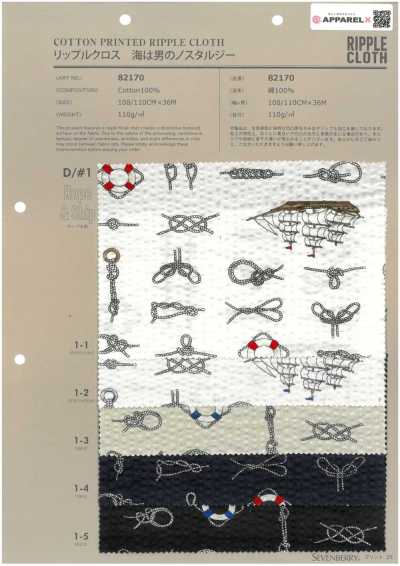
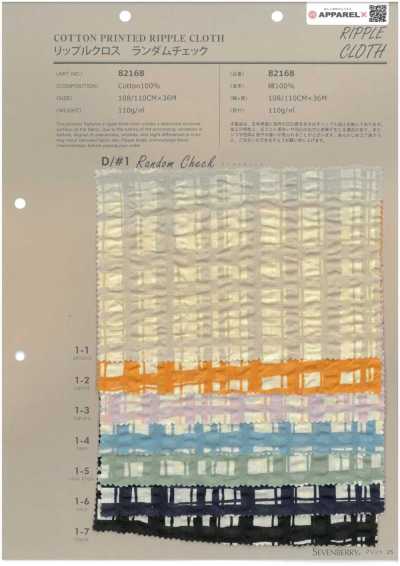
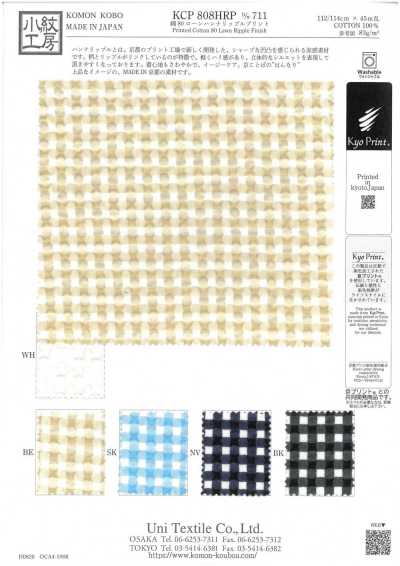
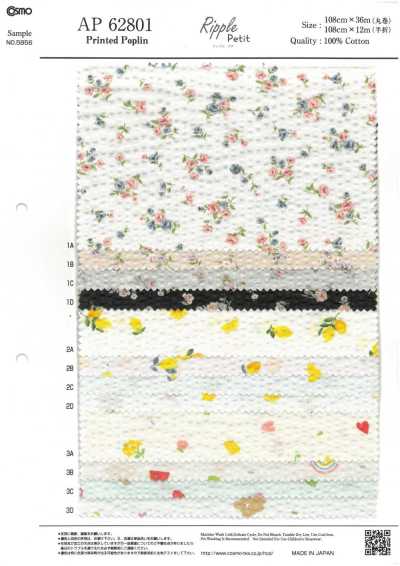
Ripple finish is a finishing process that selectively shrinks parts of a textile to create a wavy, textured surface with ripples and unevenness.
Contents6 sections
Definition and Overview
Ripple finishing is a finishing process that creates differences in shrinkage across sections of the textile, giving it a wave-like texture and a surface with dimensional unevenness. It adds a three-dimensional feel to a flat textile and creates a light, comfortable hand with less contact area against the skin.
For cellulose fibers such as cotton, a method that uses chemicals to induce localized shrinkage is known. However, the processing method and applicable fibers vary depending on textile design and processing conditions, so confirmation in the specification sheet is necessary.
Features
Irregular or one-directional unevenness appears on the surface, giving a smooth feel and a casual look. Because the textile does not cling closely to the skin, it is generally used for spring and summer materials.
The uneven surface creates light and shadow, so even a solid design can have character. On the other hand, after processing, the textile may differ from a smooth textile in stretch behavior and apparent width, so confirming fabric allowance and dimensions is important.
Main Applications
Used for shirts, blouses, dresses, skirts, and lightweight apparel. It is suitable for spring and summer casual wear and relaxed items intended to provide breathability and a cool feel.
When using it, confirm the size of the uneven texture, direction of the pattern, sheerness, and body or drape. Even with the same ripple finishing, the base weave, fibers, and fabric weight greatly affect tailoring appearance and wearing comfort.
Selection and Handling Notes
Because shrinkage occurs during processing, confirm dimensional changes, including after washing, before mass production. Aligning the grain before cutting and matching the pattern direction and appearance created by the uneven texture are also important for stabilizing the product look.
During sewing, the uneven surface may be flattened by the presser foot, or feeding may become uneven. Check presser foot pressure, thread tension, needle, and stitch stretch through test sewing, and consider thin interfacing or auxiliary materials if necessary.
The texture may change with washing or ironing. Follow the care label and avoid strongly flattening the surface with high-temperature pressing. Before commercialization, confirm suitability for home washing and dry cleaning through testing.
Differences from Similar Terms
Seersucker is a woven fabric in which uneven texture is created during weaving through differences in warp tension and structure. In contrast, ripple finishing differs in that it mainly adds uneven texture to the textile as a post-process.
Yoryu (wrinkle crepe) is a woven fabric characterized by fine vertical texture created by highly twisted yarns and similar methods. The uneven texture of ripple finishing offers more freedom in direction, size, and placement depending on the processing method and pattern design, and its surface appearance differs from yoryu.
Frequently Asked Questions
Does ripple-finished textile shrink when washed?
Because shrinkage is used during processing, dimensions and the textured surface may change after washing as well. The degree of shrinkage varies depending on fiber composition, base textile, processing conditions, and washing method. It is important to conduct washing tests on the textile and product before mass production and confirm the shrinkage rate.
Are ripple finishing and seersucker the same?
Both have a cool-looking textured surface, but they are not the same. Seersucker mainly forms texture through weaving, whereas ripple finishing is a post-process that uses differences in shrinkage in the textile. In specifications, distinguish whether it is a finishing process or a woven structure.
Are there any points to watch when sewing ripple-finished textile?
The uneven surface may make feeding unstable, or the surface texture near the seam may be flattened. Perform test sewing before cutting and sewing, and adjust presser foot pressure and thread tension. For uneven textures with a pattern direction, cut each piece so the direction is aligned as well.