Tulle
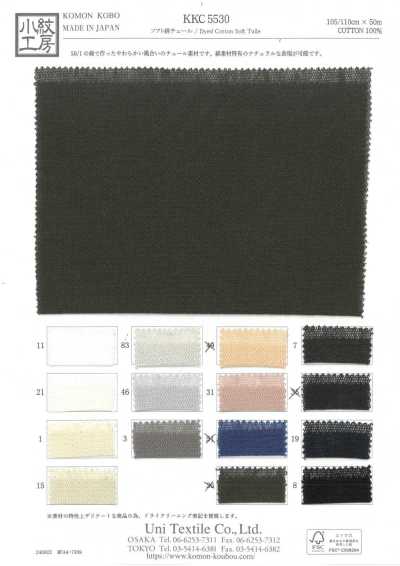
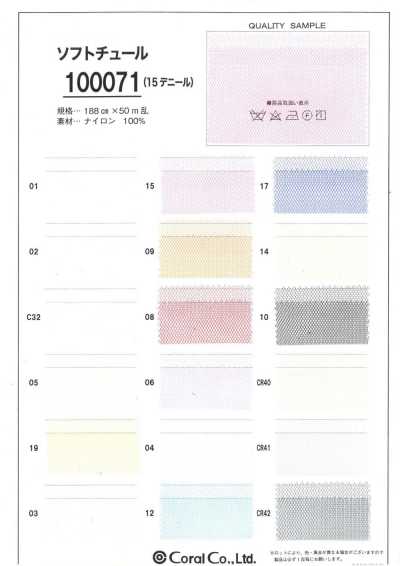
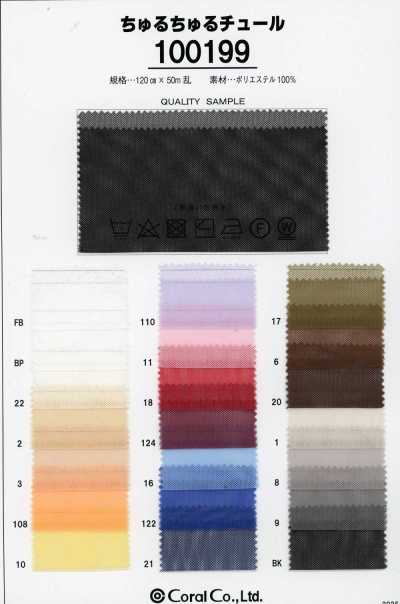
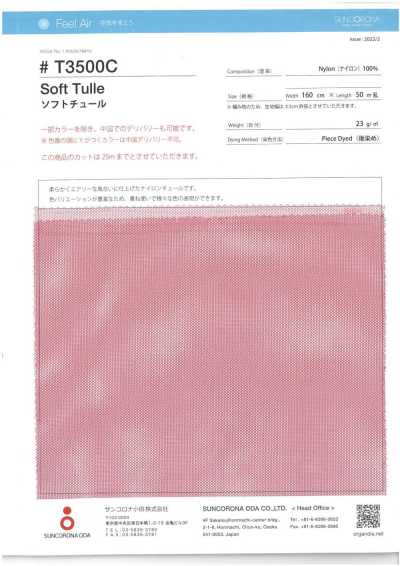
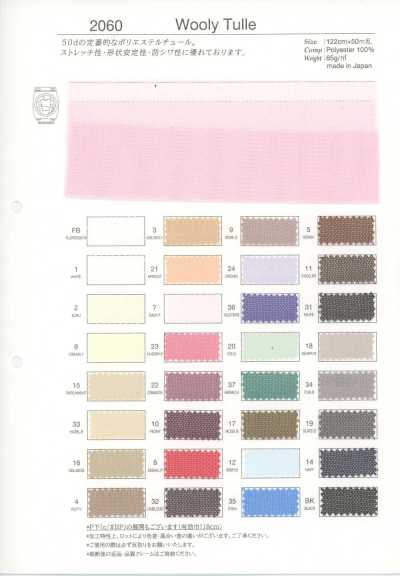
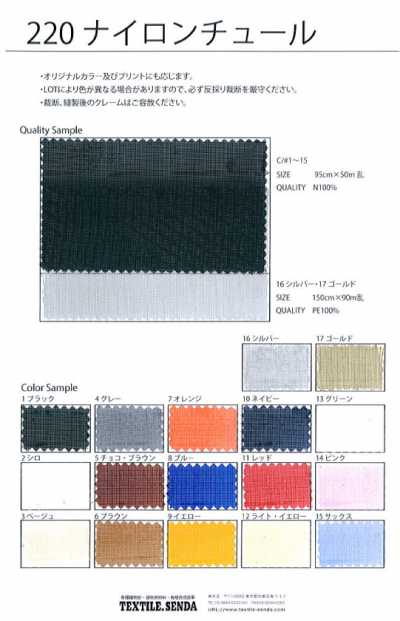
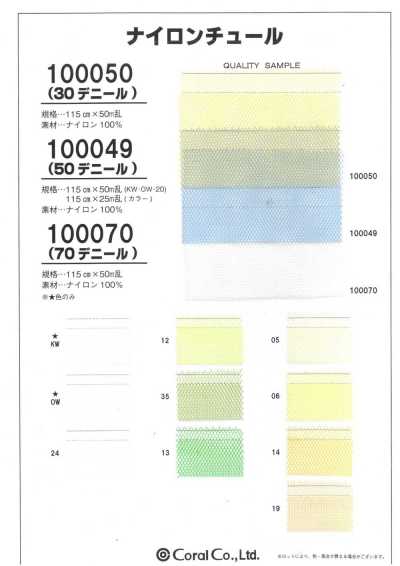
Tulle is a thin, sheer knitted fabric with hexagonal or diamond-shaped mesh, used to express a light, voluminous feel and decorative appeal.
Contents6 sections
Definition and Overview
Tulle is a thin textile knitted into a mesh structure with fine yarn. It is generally made by warp knitting, and depending on the mesh size, yarn thickness, density, and finish, it can range from delicate to shape-retaining.
Polyester and nylon are commonly used materials, but the luster, firmness, softness, durability, and ease of care during washing vary depending on the material composition. Tulle is not a material name, but a term that indicates a mesh-like structure and appearance.
Features and Appearance
Sheerness and a light, airy feel are the defining features of tulle. By changing the number of layers, you can adjust the degree of sheerness and depth of color, and adding gathers or tucks creates a soft, three-dimensional look.
A firm type helps support the silhouette, while a soft type creates a delicate drape that blends with the skin. On the other hand, it can snag easily on the mesh, so care is needed to avoid friction and snags from hook and loop fasteners.
- Fine-mesh types are relatively smooth and have a subtle sheerness.
- Large-mesh types feel light and make the mesh texture stand out more easily.
- A stiffer hand is suitable for adding volume, while a softer hand is suited to layering and decoration.
Main Applications
Tulle is used as an outer fabric or overlay for dresses and skirts, as a secondary material for adding volume such as in petticoats, and for sheer sections in sleeves and collars. It is also used for blouses, innerwear, lingerie, and dance and stage costumes that make use of sheerness.
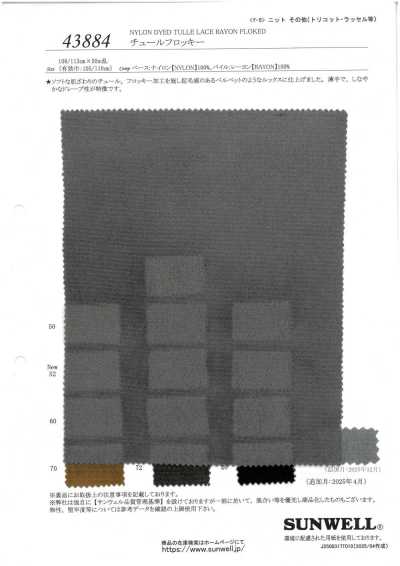
Because it is light and breathable, it is also suitable for spring and summer designs, but through layering it is also used in year-round formal wear and costumes. Tulle with embroidery, printing, or flocking is also used where a stronger decorative effect is desired.
Selection and Handling Notes
When selecting tulle, confirm the mesh size, firmness, softness, stretch, material, and color according to the intended application. For adding volume to skirts, a firm type is suitable, while for areas close to bare skin or for layering, a soft type with less irritation at the edges is preferable.
Because thin, easily stretched tulle can shift off-grain during cutting, take care to prevent misalignment while layered and to avoid mixing up parts after cutting. In sewing, use fine needles and thread, and confirm seam puckering and thread getting caught in the mesh through prototypes.
Shrinkage, deformation from washing, and heat resistance vary depending on the material and finish. Follow the care label, and consider using a laundry net to prevent snags. Start ironing at a low temperature, do not press down firmly directly, and test with a pressing cloth.
Differences from Similar Terms
Mesh is a broad term for textile with a net-like structure in general, and in sports applications it also includes knitted fabrics that emphasize functionality and breathability. Tulle, among these, is a textile characterized by fine mesh and a light, delicate appearance, and is often used for dresses and decorative purposes.
Lace is a general term for sheer fabric with patterns formed by yarn, and the presence of decorative motifs is emphasized. Tulle basically refers to a mesh ground, and those with added patterns through embroidery or the like are called tulle lace. Organza is a plain-woven thin textile, and its structure differs from that of mesh-structured tulle.
Frequently Asked Questions
Does tulle shrink when washed?
The degree of shrinkage varies depending on the material, finish, and washing conditions. Polyester and nylon types tend to have relatively little dimensional change, but they may change shape under heat. Carry out washing tests before mass production, and set care methods for the product in line with the care label.
Do the edges of tulle fray?
How do you choose between tulle and power net?
Tulle is selected mainly for sheerness, volume, and decorative effect. Power net contains polyurethane or similar materials and is a knitted fabric with stretch, fit, and moderate support. For applications that follow the body, choose power net after confirming the required stretch and recovery.