Warp Knitting
Warp knitting is a knitting method in which many threads are arranged along the length of a textile and knitted, with the threads carried to adjacent stitches to form the knit.
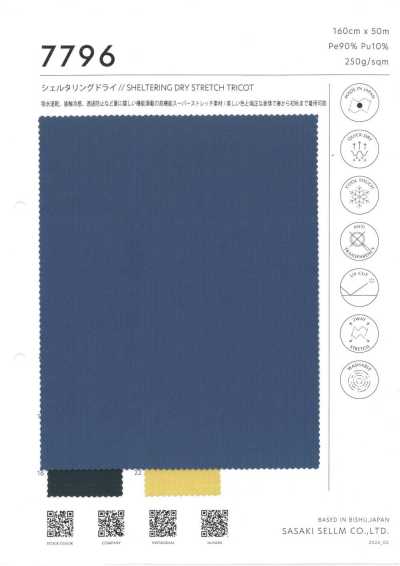
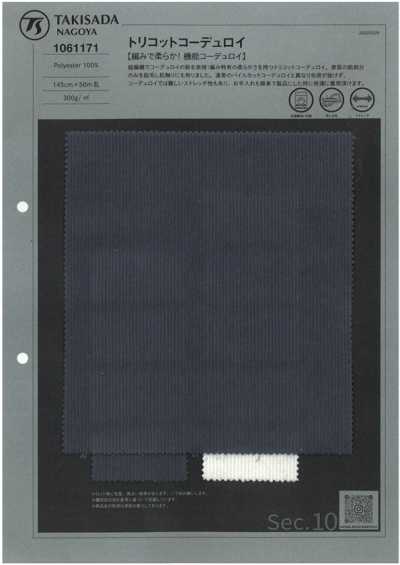
Contents6 sections
Definition and Overview
Warp knitting is a method of making knit fabric by using many threads arranged in the lengthwise direction at the same time, with each thread moving to an adjacent stitch as the fabric is formed. Warp-knit fabrics tend to show vertical ribs or chain-like stitches, and typical types include tricot knitting and raschel knitting.
Unlike a weaving method that interlaces perpendicular warp and weft threads, it is a type of knit constructed with loops. However, unlike common weft-knit fabrics such as circular knits, the thread feed direction and stitch structure are different.
Features
The feel of warp-knit fabric changes greatly depending on the structure, yarn selection, density, and finishing process. It ranges from thin, smooth tricot to sheer mesh and three-dimensional raschel, and is designed according to the application.
In many cases, it has stretch in the crosswise direction while tending to be more dimensionally stable than circular knits. It also includes structures that are less likely to unravel and less likely to curl at the edges. However, stretch, breathability, and drape vary depending on the structure and material, so an actual sample should be checked.
- Tricot, with its fine stitches and smooth surface, is used for linings and innerwear.
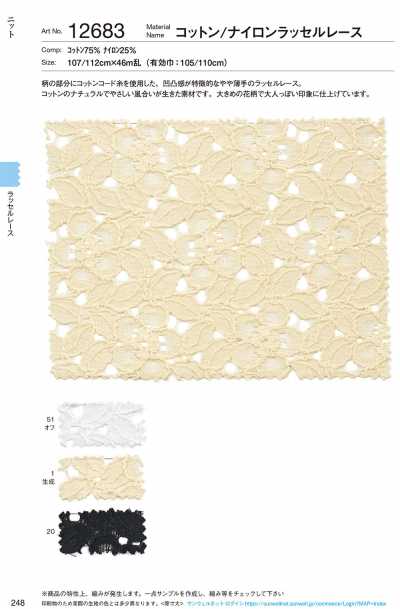
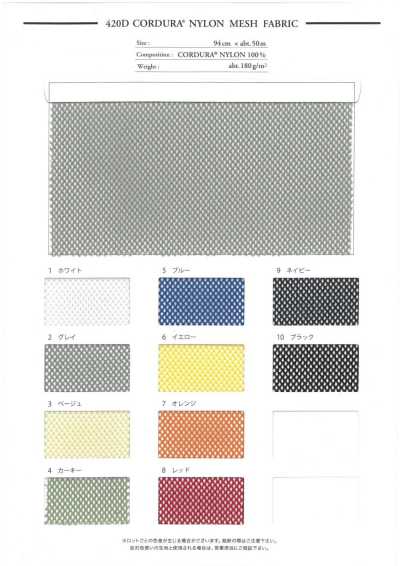
- Raschel, which easily expresses mesh and patterns, is used for lace, mesh, and decorative textiles.
- By combining elastic fibers such as polyurethane, fit and stretch recovery can be improved.
Main Applications
Warp knitting is used for clothing that requires stretch, a soft feel against the skin, and light weight, such as innerwear, lingerie, sportswear, swimwear, legwear, and linings. Mesh structures make use of breathability and are also used for spring and summer clothing, sports applications, and layering accents.
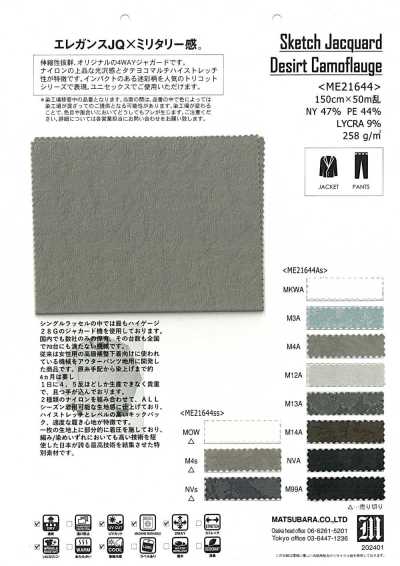
Warp-knit fabrics designed with specific thickness and structure are also used for some jackets, bottoms, and outerwear. Lace, tulle, and power net may be included in warp knitting, but these are names that describe the structure, appearance, or application, and are not synonymous with warp knitting itself.
Selection and Handling Notes
When selecting, check not only the amount of stretch required for the application, but also recovery after stretching, fabric weight, sheerness, rebound, and snagging risk. Because stretch varies by direction in the product, it is important to decide in advance the grain line of the pattern and the direction in which maximum stretch is needed.
Shrinkage, twisting, and surface changes are affected by fiber type, dyeing and finishing, and washing conditions. Before mass production, perform washing tests on the fabric alone and after sewing, and confirm the shrinkage rate. Follow the care label, and consider using a laundry net for thin fabrics that may snag or lose shape.
When cutting, do not pull the fabric forcefully. Let it relax after spreading before cutting to help reduce dimensional variation. During sewing, use stitch specifications and differential feed that follow the stretch, and adjust conditions while checking seam stretching, puckering, and seam waviness.
Differences from Similar Terms
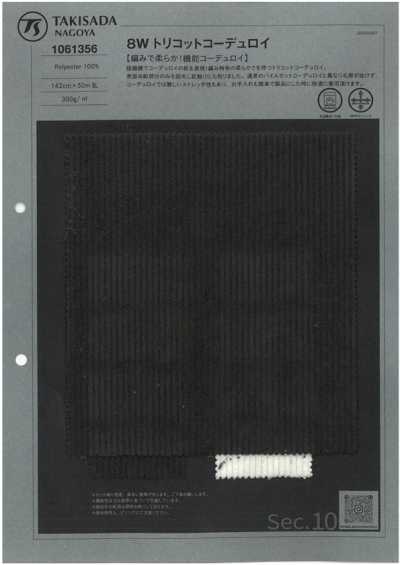
Tricot knitting and raschel knitting are representative knit structures and knitting methods in warp knitting. Tricot is often used for relatively dense, smooth fabrics, while raschel is suitable for a wide range of structures such as mesh and lace.
Circular knitting is a method of knitting by feeding yarn in the crosswise direction with needles arranged in a cylindrical shape. The manufacturing method differs from warp knitting; in general, circular knits are easier to obtain crosswise stretch, while warp knits tend to achieve shape stability depending on the structure.
FAQ
What is the difference between warp knitting and tricot?
Warp knitting is the general term for a method of knitting with threads arranged in the lengthwise direction. Tricot is one representative warp-knit structure and knitting method, and generally produces a fabric with fine stitches and a smooth surface. In addition to tricot, warp knitting also includes raschel knitting.
Does warp knit stretch?
How a warp-knit fabric stretches depends on the structure, density, and fibers used. In general, many warp knits stretch in the crosswise direction, while tending to be more dimensionally stable than circular knits. For applications that require fit, check the stretch rate and recovery with the actual fabric.
What should be noted when sewing warp knit?
If the fabric is sewn while being pulled, seam waviness and dimensional changes are more likely to occur, so adjust the feed amount and presser foot pressure. For stretchy fabrics, choose a stitch specification that follows the stretch, and perform a test sew with a needle and thread suited to the material and the thinness of the knit fabric to prevent needle holes and skipped stitches.