Foot-operated Press Machine
A foot-operated press machine is a stationary processing machine that uses the force from a foot pedal, transmitted through a lever mechanism, and dedicated dies to attach hardware such as press fasteners and eyelets to textile.
Contents6 sections
Definition and Overview
A foot-operated press machine is a machine that attaches a die to a vertical shaft that moves up and down as the pedal is pressed, and secures hardware by press-fitting or clinching it. It is characterized by making it easy to support parts and textile with both hands, and by making it easy to align repetitive tasks.
Compared with a hand press, which is a small tabletop machine operated with a hand lever, a foot-operated press machine applies pressure using foot power. However, the hardware and dies that can be used vary depending on the model, the mounting part standards, and the processing details, so compatibility should be checked in advance.
Combination of Dies and Parts
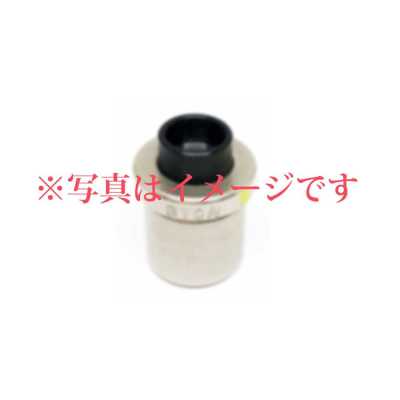
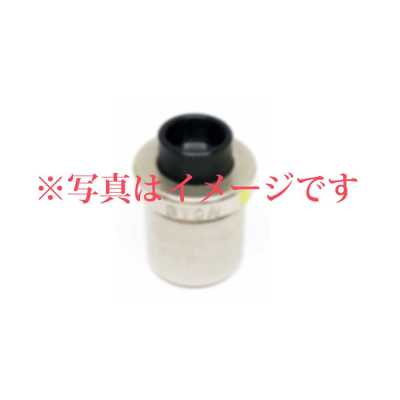
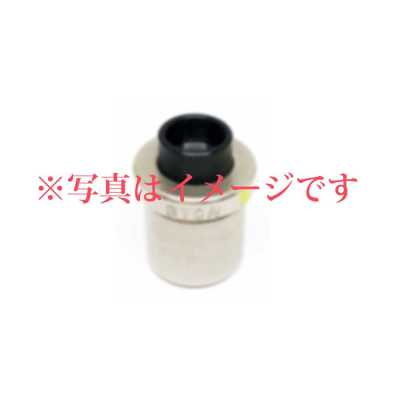
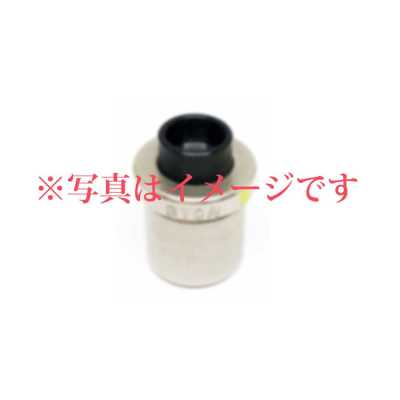
Press fasteners, spring hooks, jumper hooks, cap snap buttons, eyelets, cap and close posts, and similar items are usually attached by combining multiple parts. A foot-operated press machine uses dedicated dies consisting of an upper die and a lower die suited to the shape of each part.
Even hardware with the same name or outer diameter may differ in the head, spring or stud, leg length, and washer shape. Processing with an incompatible die can cause part deformation, insufficient clinching, surface scratches, or detachment, so hardware and dies should be managed as combinations.
- The upper die mainly holds the upper part and applies pressure.
- The lower die receives the part or textile and stabilizes the position.
- Some parts require a specified front-and-back orientation or installation sequence, so check before processing.
Size and Processing Conditions
A foot-operated press machine itself does not indicate the size of the hardware. Hardware is generally checked by outer diameter, hole diameter, leg length, and similar measurements, and for eyelets the die is selected based on the inner diameter and the corresponding textile thickness, while for hooks and similar items the die is selected based on the product type and part composition.
Whether processing is possible depends not only on the thickness of the textile but also on the density of the weave or knit, stretchiness, pile, and places where interfacing or seam allowances overlap. Thin materials may tear or pull out, while thick materials may suffer from insufficient leg length or insufficient clinching, so trial fastening should be performed under the actual overlap conditions.
Main Applications and Work Procedure
In apparel, it is used to attach hooks and similar items to the front opening, pockets, cuffs, neckline, waist, and other areas. It is also used for attaching eyelets and cap and close posts to bags, hats, and fashion accessories. It is suitable for sample production before mass production and for attaching accessories in small lots.
During operation, check the product type, color, installation position, front and back orientation, and whether reinforcement is required in the specification sheet. After confirming the finish with scrap material or test pieces with the same overlap, proceed to full production, and inspect the surface, clinching condition, holding strength, and positional shift after processing.
Selection and Safety Notes
The holding strength of hardware is not determined solely by the press machine's applied pressure. It depends on the type of hardware, leg length, composition of the textile and reinforcement material, compatibility of the die, and the edge distance of the installation position. For applications subject to pulling or lateral force, strength verification assuming actual use is important.
Metal parts may rust or discolor due to humidity, sweat, washing, or storage conditions. For products that need to consider the effects of nickel, confirm nickel-free specifications, and for products that require needle detection, set the needle detection process according to the specifications including metal parts.
Do not put your fingers between the dies while operating the pedal, and replenish parts or replace dies only when the machine is not operating. It is also necessary to install the machine on a stable stand and regularly inspect the dies for wear, looseness, and chipping.
Frequently Asked Questions
What is the difference between a foot-operated press machine and a hand press?
A hand press is a tabletop machine that mainly applies pressure with a hand lever, while a foot-operated press machine is a stationary machine that applies pressure by pedal operation. A foot-operated model makes it easier to handle textile and parts with both hands, but the compatible die mounting standards and processing capacity must be checked for each model.
Can press fasteners be attached with only a foot-operated press machine?
In addition to the main body of the foot-operated press machine, you need dedicated dies that match the type and part composition of the press fastener being attached. Also, choose parts with a leg length suitable for the textile thickness, and perform trial fastening under the actual conditions where the outer fabric, interfacing, seam allowances, and similar layers overlap.
What should be done if hardware comes off or the textile tears?
Check for incompatibility between the dies and the parts, insufficient or excessive hardware leg length, insufficient pressure, and inadequate reinforcement for the textile. Also review wear on the dies and the installation position, and determine the conditions by comparing the finish and holding condition using test pieces with the same specifications.