Sheeting
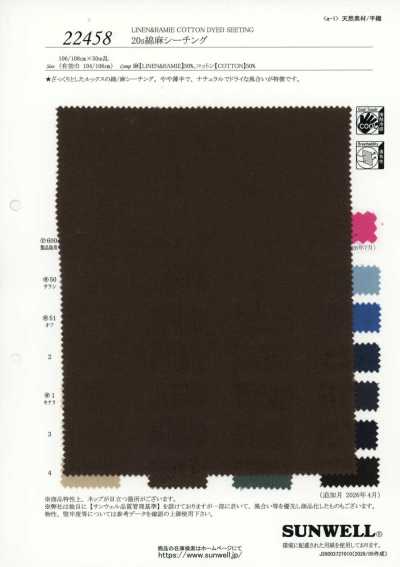
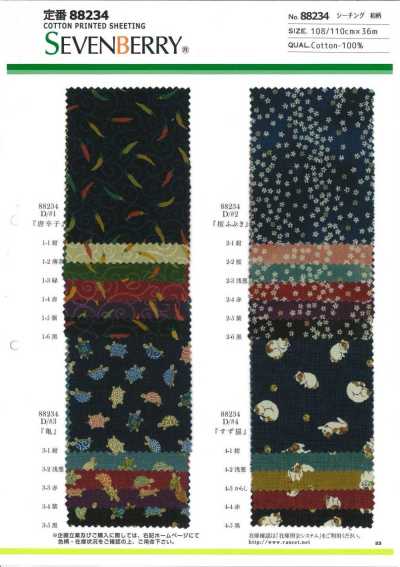
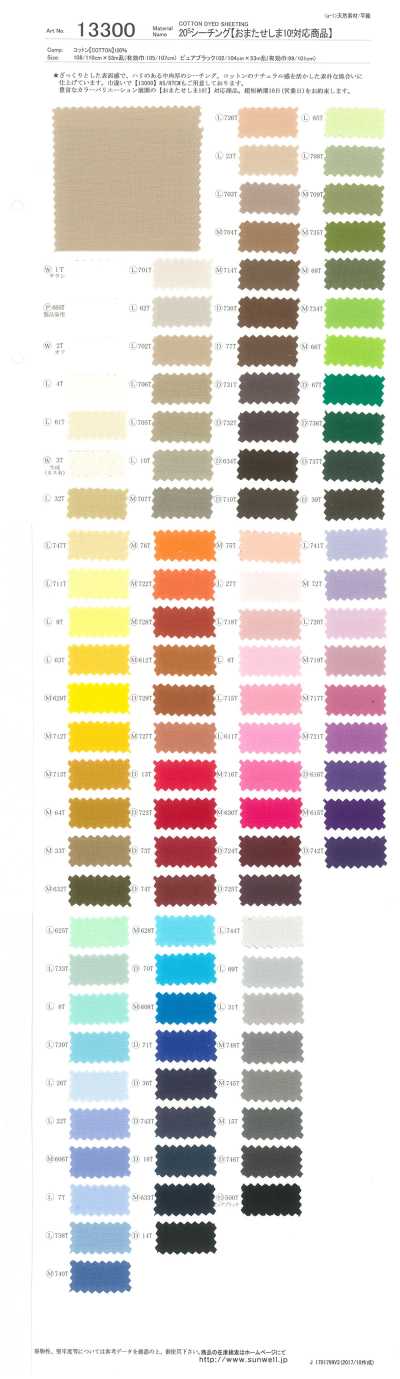
Sheeting is a relatively coarse plain weave textile made mainly from cotton, and is used for apparel, bedding, and handicrafts and interior goods, taking advantage of its rustic texture and the visibility of prints.
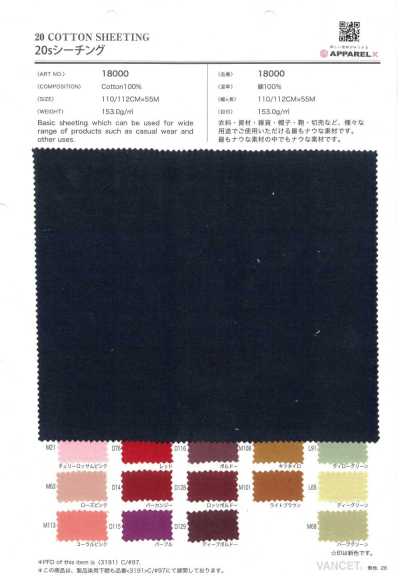
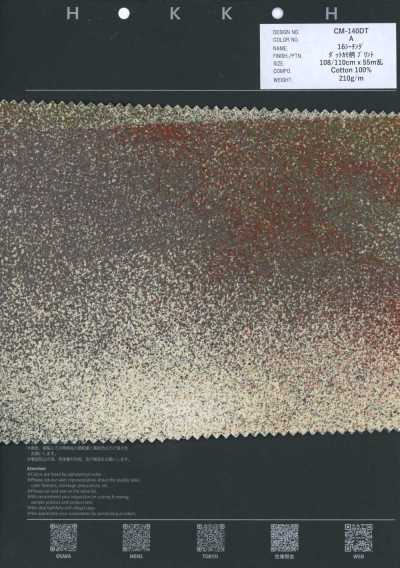
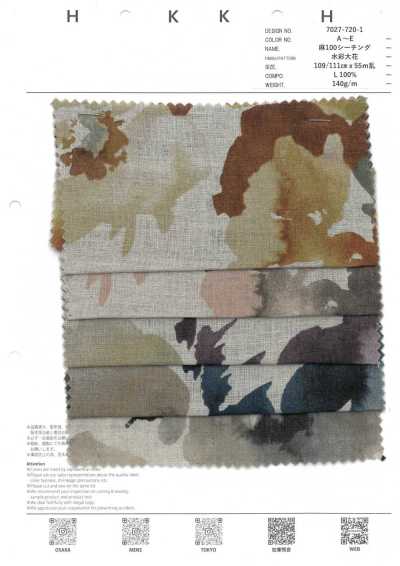
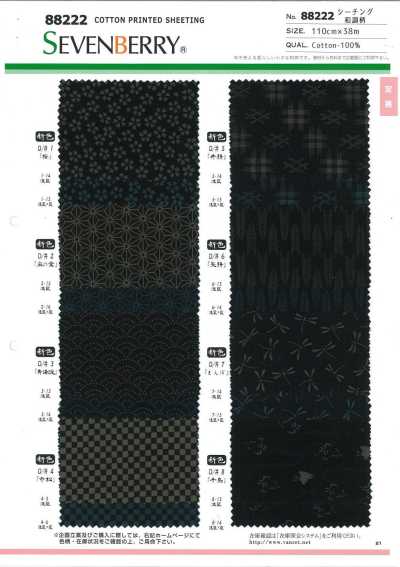
Contents6 sections
Definition and Overview
Sheeting generally refers to a woven fabric made of cotton yarn in plain weave, ranging from light to medium-light weight. Plain weave is a basic structure in which warp and weft yarns cross alternately one by one, and it is characterized by little difference between the front and back and by being easy to print patterns on.
However, the term sheeting does not strictly define a single standard for raw materials, yarn thickness, density, or finishing. In addition to 100% cotton, some fabrics are blended with linen and other fibers, and thickness, firmness, and surface texture differ by product.
Features
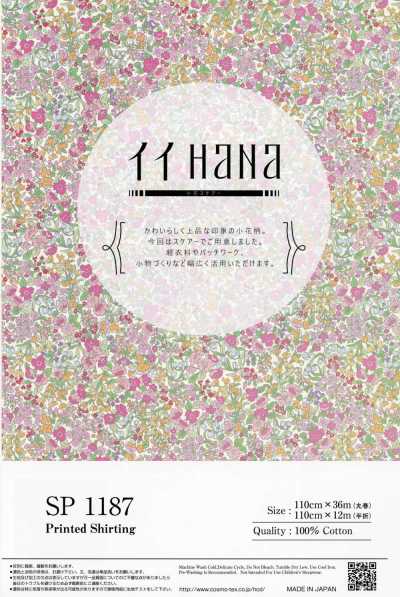
In general, sheeting has a natural matte look and a somewhat rustic, familiar feel. Because the fabric surface is relatively flat, all-over prints, panel prints, and yarn-dyed check patterns are easy to see, making it suitable for a wide range of designs.
Fabrics with lower density are light and breathable, but in light colors, sheerness may be a concern. Higher-density fabrics and those finished with resin processing or similar treatments have a firmer hand. Depending on the intended use, it is important to check fabric weight, density, and sheerness.
Main Applications
For apparel, it is used for shirts, blouses, dresses, skirts, children's clothing, and loungewear. It is also chosen for items that make use of patterns and for spring and summer garments intended to be layered.
Outside of clothing, it is also used for aprons, drawstring bags, lining for pouches, covers, bedding-related items, miscellaneous goods, and patchwork. Since thickness and strength vary by type, for the main body of bags and other items that bear weight, it is advisable to use interfacing as needed or consider a thicker textile.
Selection and Handling Notes
At the planning stage, check the blend ratio, fabric weight, fabric width, sheerness, print direction, and grain line. For thin fabrics, methods such as adding lining or using interfacing in facings and yokes can help compensate for sheerness and loss of shape. Before cutting, also confirm the pattern repeat and layout.
Sheeting made mainly from cotton may shrink easily after washing. Before mass production, conduct a washing test on the actual fabric and check shrinkage rate, color fading, and skewing. In sewing, when the fabric is thin, stitches may pucker easily, so it is important to match thread tension and needle size to the fabric.
- For dark colors and printed items, check in advance for color transfer caused by friction or washing.
- When pre-washing, confirm the condition under the same washing and drying conditions as in production.
- When cutting, align the selvedge and grain line, and if the pattern has a direction, keep the orientation consistent for each part.
Differences from Similar Terms
Broadcloth and poplin are also plain weaves, but they are generally handled as fabrics woven with finer yarns at relatively high density, with a smooth and refined surface. Compared with those, sheeting often has a more rustic feel in the yarn and weave, though the actual difference depends on the product specifications.
Canvas generally refers to a thicker plain weave woven firmly with thicker yarns and a higher fabric weight than sheeting. Lawn, on the other hand, is a fabric woven lightly and airy with fine-count yarns, and differs from sheeting in sheerness, delicacy, and intended use.
Frequently Asked Questions
Can sheeting be used for making clothes?
Yes. It is suitable for shirts, dresses, skirts, children's clothing, and more, but thickness, sheerness, and crispness vary by product number. For light colors and thin fabrics, check whether lining is needed, and consider the pattern and cutting dimensions with post-wash shrinkage in mind.
How do you choose between sheeting and broadcloth?
Choose sheeting when you want to make use of a rustic surface texture or printed patterns, and broadcloth when you want a smoother shirt fabric with a denser feel. However, do not judge by name alone; it is important to compare blend ratio, fabric weight, density, sheerness, and finishing samples.