Patchwork
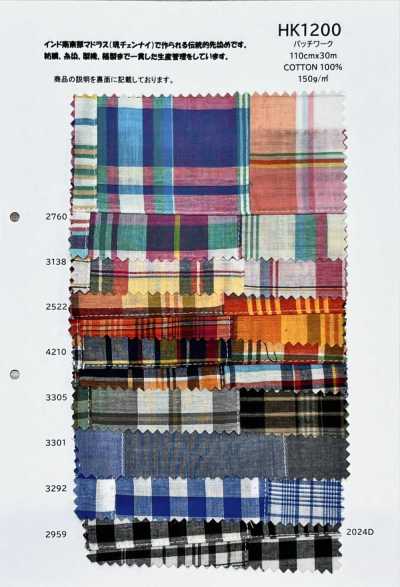
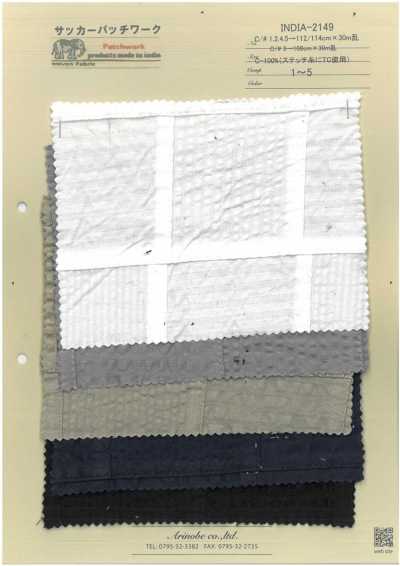
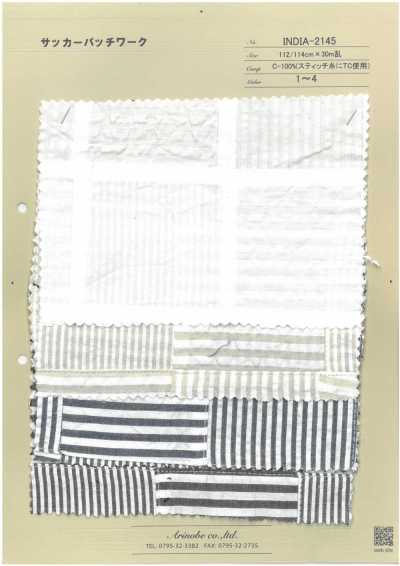
Patchwork is a technique of sewing together pieces of fabric that differ in color, pattern, and material, or a pattern that expresses those seams or panel transitions.
Contents6 sections
Definition and Overview
Patchwork is originally a technique of sewing multiple fabric pieces together to form a single sheet of fabric. By combining pieces such as squares, triangles, and polygons, it makes use of color and pattern contrast and the decorative effect of seam lines and transitions.
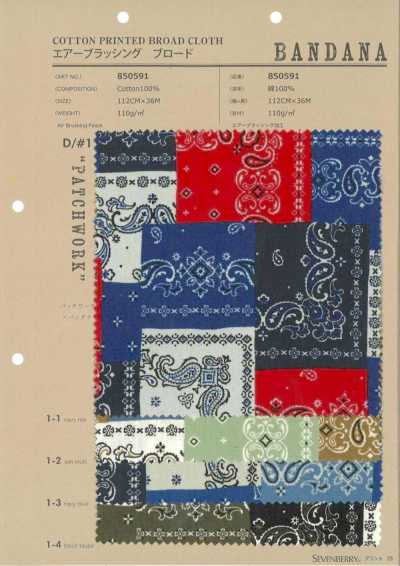
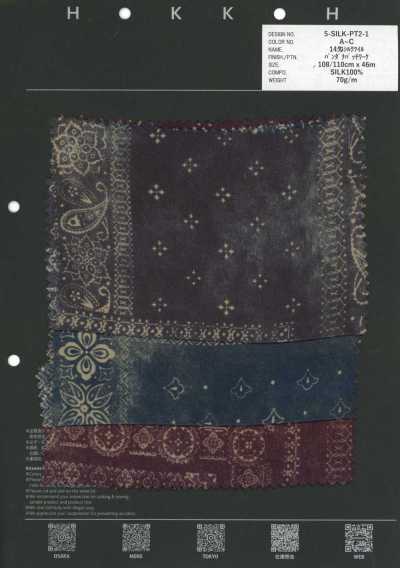
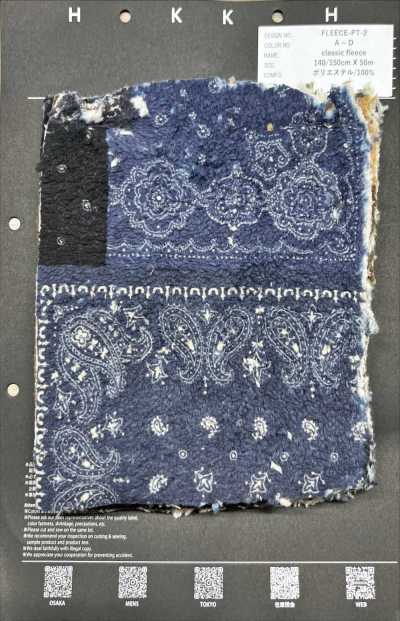
As a fabric pattern, items that do not actually join fabric pieces but instead use printing, weaving, knitting, or other methods to express patchwork-like sections or combinations of different patterns are also called patchwork patterns.
How the Pattern Is Made and Types
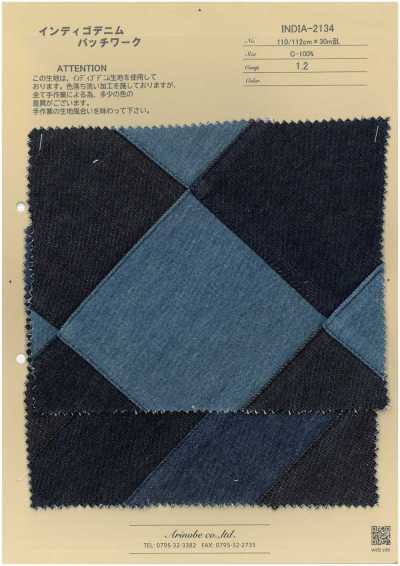
Actual patchwork ranges from designs that regularly arrange pieces of the same size to those that combine fabric pieces of irregular shapes and sizes. Mixing solid, floral, check, striped, and other patterns can create a wide variety of looks.
Patchwork patterns include not only designs in which the pattern sections look like seams, but also designs that make different fabrics appear to be switched together. It is mainly a design term, not a term for fabric structure or material name.
- Type based on regular geometric arrangement
- Type based on random combinations of fabric pieces
- Printed or woven patterns that place different patterns by section
- Type that makes use of material changes such as denim
Main Applications and Seasonality
It is used for shirts, blouses, skirts, dresses, jackets, bags, hats, and more. Smaller pieces make it easier to create a delicate look, while larger sections make it easier to create a bold design.
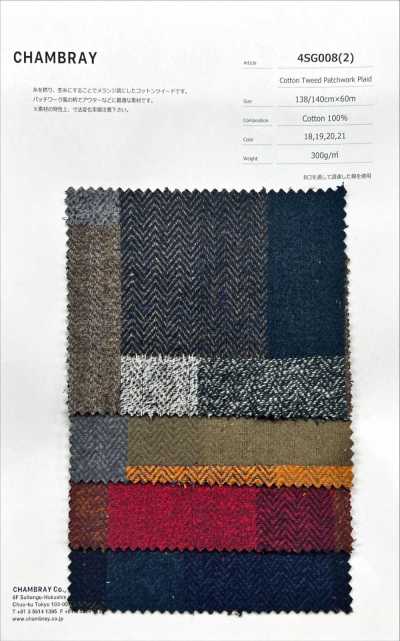
In spring and summer, patterns printed on light textiles such as lawn and broadcloth are used, while in autumn and winter, actual joined expressions using flannel, denim, or wool-like materials may be used. However, patchwork itself is not a pattern limited to any particular season.
Notes on Fabric Selection and Cutting
When actually joining different textiles, choosing materials with similar thickness, stretch, weave or knit direction, and shrinkage after washing makes it easier to reduce waviness and loss of shape after sewing. If the difference in thickness is large, the seam allowance area becomes bulky, so the specification needs to be considered.
For patchwork-patterned textiles, confirm the size of the sections, the direction of the pattern, and the repeat dimension before cutting. When matching patterns on the front body, left and right body panels, pockets, and so on, more fabric than usual may be required.
For one-way patterns and motifs with an up and down direction, arrange all parts in the same orientation. Before cutting, check the pattern placement on the pattern and consider whether the seam lines and pattern sections will appear as intended with seam allowance included.
Differences from Similar Terms
A check pattern is a grid pattern made by intersecting vertical and horizontal lines, and its structure differs from expressions like patchwork, which combine multiple patterns and color areas by section. However, check fabric can be used as fabric pieces.
Printing is a processing method that places a pattern on the surface of a textile, and Jacquard is a method that expresses a pattern through weaving. Patchwork is a name for a pattern or composition, and patchwork patterns can be made by printing or Jacquard, or by actually sewing fabric pieces together.
Frequently Asked Questions
Are patchwork and patchwork pattern the same?
Patchwork basically refers to the technique of actually sewing fabric pieces together. Patchwork pattern also includes textiles that express a joined appearance through printing or woven patterns. In product specifications, confirm whether it is actual switching or a pattern expression.
Does patchwork-patterned fabric require more material?
When matching pattern positions on the left and right body panels or the front and back body panels, more allowance than with a normal solid textile may be needed. Check the pattern repeat, section size, and vertical direction of the pattern, then estimate the required amount after deciding the pattern layout.
What should be noted when making patchwork with different fabrics?
Check the differences in thickness, stretch, shrinkage rate, and color fading for each material. In particular, combinations of materials with very different behavior, such as stretchy knits and less stretchy woven fabrics, or materials with large differences in shrinkage, may cause distortion during sewing or after washing, so caution is needed.