Shantung
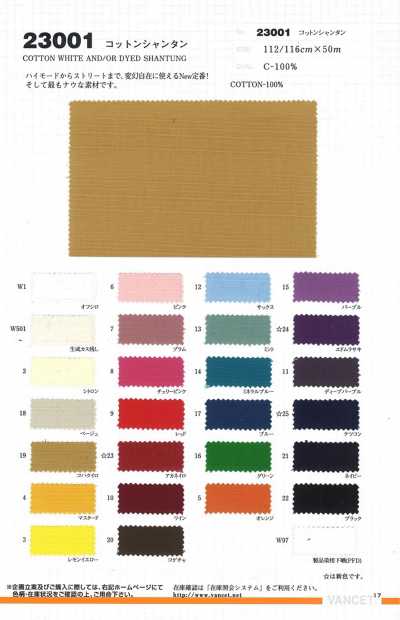
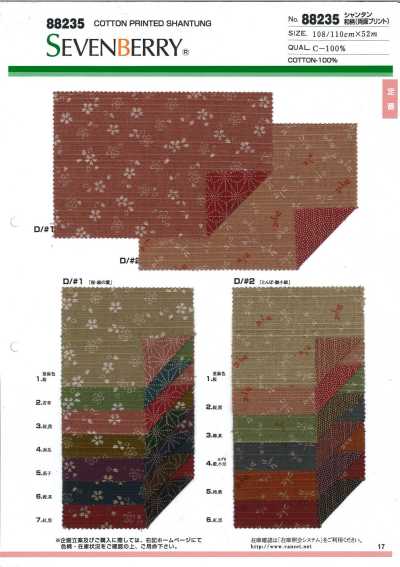
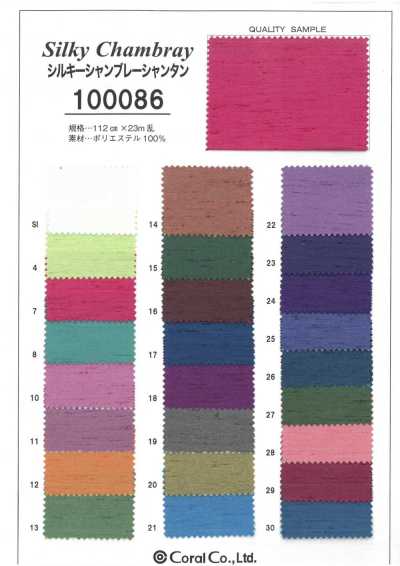
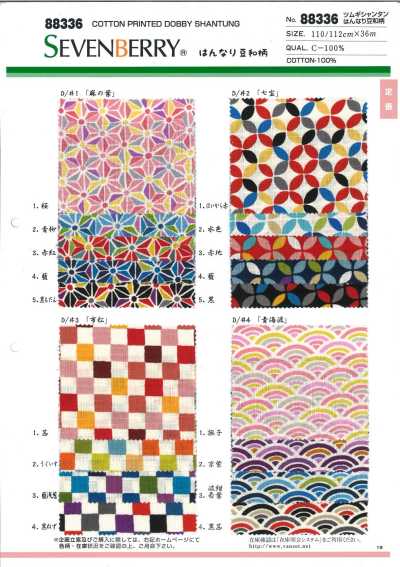
Shantung is a woven fabric woven with slub threads, featuring irregular horizontal striations and natural texture, with moderate firmness and luster.
Contents6 sections
Definition and Overview
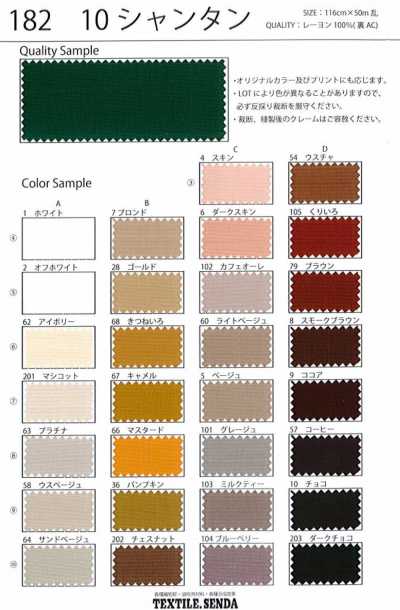
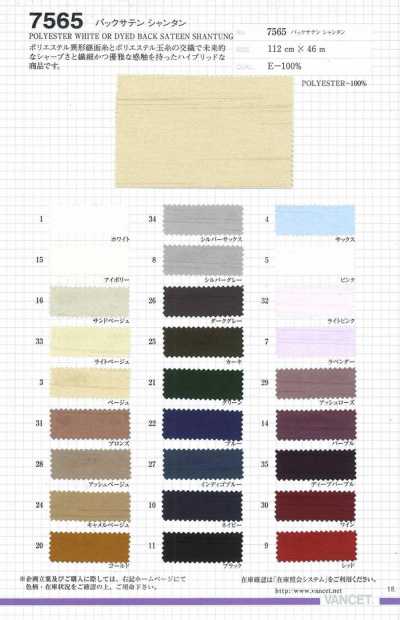
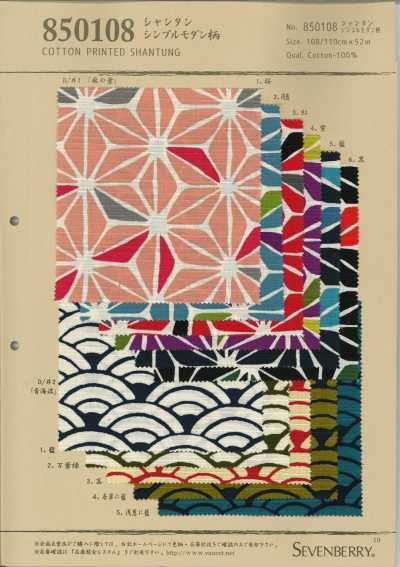
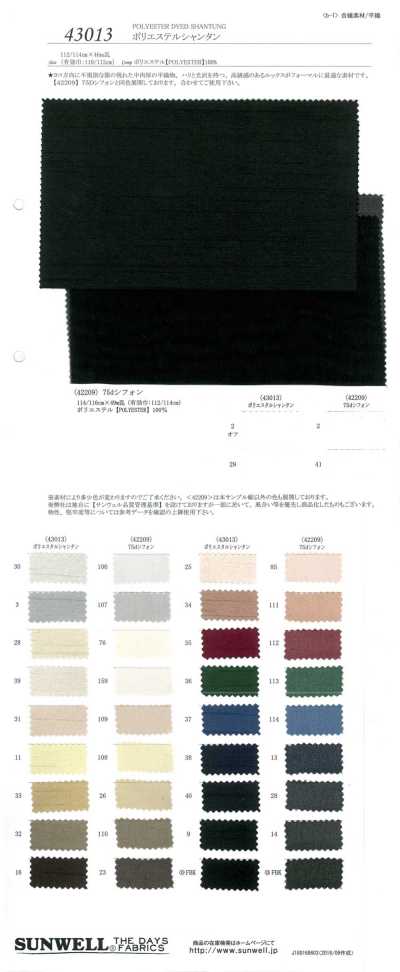
Shantung is a woven fabric made with yarns that have slubs or uneven thickness in the weft, giving the surface horizontal streaks. Originally, the term was used for silk fabrics, but today it is also widely used for textiles with a similar texture made from polyester, rayon, cotton, and other materials.
Its weave is often based on plain weave, but the appearance and stiffness vary greatly depending on the material, yarn thickness, density, and aftertreatment. For this reason, Shantung should be understood not as a term indicating a fiber name or a single weave structure, but mainly as a name describing a slubbed appearance and texture.
Characteristics
The surface shows irregular slubs and streaks, mainly in the weft direction, creating a look that is unlike a uniform, smooth solid. Many types have a subdued luster, and another feature is that the uneven texture and tonal variations become more visible depending on how the light hits the fabric.
In general, even lightweight types tend to offer a certain degree of body and a good tailored appearance, making them easy to shape into three-dimensional silhouettes. However, because the range extends from silky, supple types to firm synthetic types, drape and sheerness should be checked with the actual material.
- The position and amount of slubs are irregular, and this is regarded as part of Shantung's distinctive look.
- Even in the same color, the appearance changes depending on the uneven texture, so it is important to check color matching and the fabric before cutting.
Main Applications
Its refined luster and textured appearance make it suitable for dresses, one-piece dresses, skirts, jackets, blouses, and more. In particular, for formal wear and stage costumes, it is chosen as a fabric that can show material character even in simple shapes.
Applications vary depending on the material and fabric weight. Thin, lightweight types are suitable for spring and summer clothing or uses close to lining, while dense, bodyy types are suitable for jackets, dresses, bags, decorative uses, and more. Seasonality is judged together with the blend ratio, thickness, and whether or not there is a lining.
How to Choose and Handling Precautions
When selecting, in addition to the material composition, check the fabric weight, sheerness, stiffness, drape, and slub size. In designs with dresses or little gathering, the slub texture tends to stand out, so it is reassuring to check the look not only with a swatch but also in a size close to the required area.
Shrinkage, wrinkles, and changes in luster due to washing vary depending on the material and finishing. Items containing silk or rayon may change texture when exposed to moisture, so follow the care label. Before mass production, carry out a test wash to check shrinkage rate and color change.
During sewing, uneven thickness caused by the slubs may make the seam look irregular. Choose a fine needle and thread suited to the fabric, and use test stitching to check for skipped stitches, puckering, and seam shrinkage. When pressing, use a pressing cloth and be careful to avoid shine and flattening of the texture caused by excessive heat or pressure.
Differences from Similar Terms
Shantung and tsumugi may both have a rustic look created by slubbed yarns. However, tsumugi is a term related mainly to fabrics made with silk tsumugi yarn or to that technique, and its usage differs from Shantung, which refers to a broad range of apparel fabrics with a slubbed texture, including synthetics.
Taffeta is a relatively uniform, bodyy woven fabric made by weaving fine filament yarns at high density. Shantung also has body and luster, but the major difference is that it shows irregular slubs and horizontal streaks.
Frequently Asked Questions
Is Shantung made only from silk?
Shantung is a name strongly associated with silk, but today it is made from a variety of materials such as polyester, rayon, and cotton. Because composition is difficult to determine from appearance alone, when deciding on applications or washing methods, check the material composition and care instructions in the fabric specifications.
Can Shantung be washed at home?
Whether home washing is possible is not determined by the name Shantung. The degree of shrinkage and changes in texture differ depending on the material composition, dyeing, and resin finishing. In particular, items containing silk or rayon require caution, so follow the care label and, before making into products, confirm with a test wash.