Tsumugi
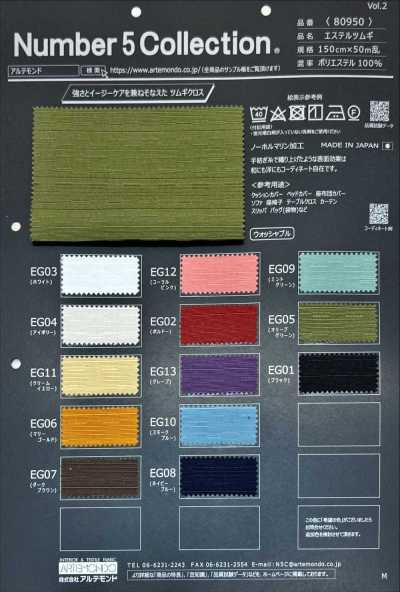
Tsumugi is a woven fabric characterized by a rustic look and supple feel, made mainly with slubbed silk yarn spun from silk floss and similar materials.
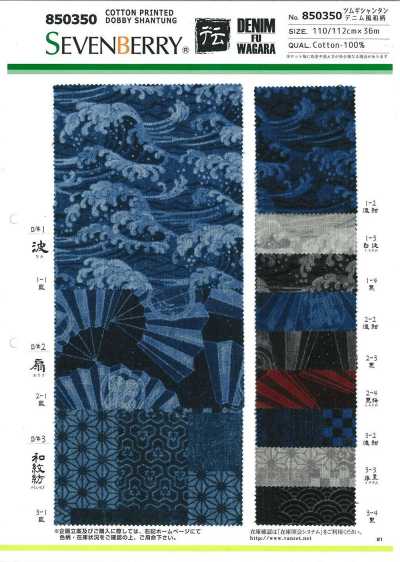
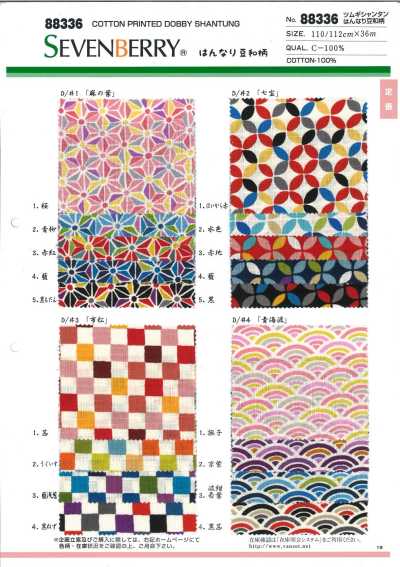
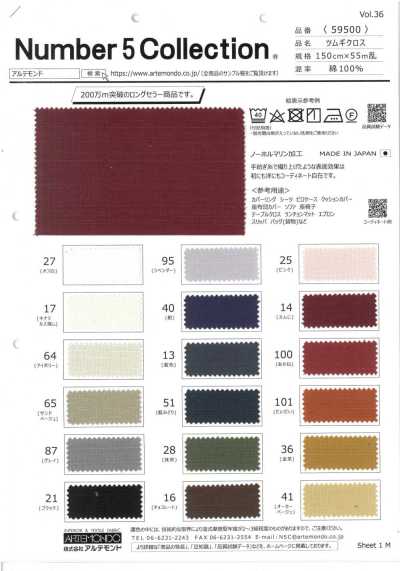
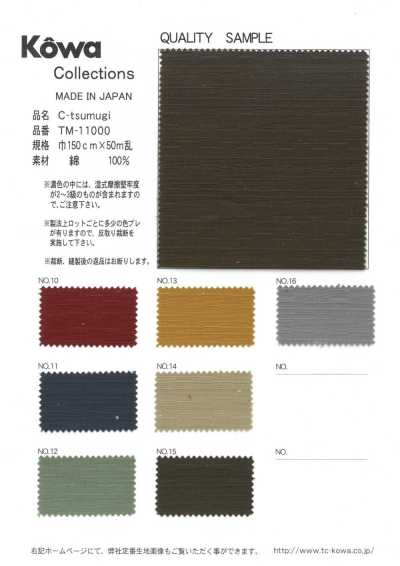
Contents6 sections
Definition and Overview
Tsumugi is a woven fabric made by using tsumugi yarn, which is spun by hand from floss silk and has slubs, or yarn with a texture similar to it, for both warp and weft. Originally, it referred to silk fabrics, and its characteristic is an expression that makes use of yarn thickness and irregular slubs.
Depending on the production area, manufacturing method, yarn used, and dyeing and weaving technique, tsumugi’s structure, pattern, and thickness vary greatly. For this reason, tsumugi is not a name that indicates only the weave structure, like plain weave or twill weave, but rather a term mainly related to yarn use and texture.
Texture and Visual Characteristics
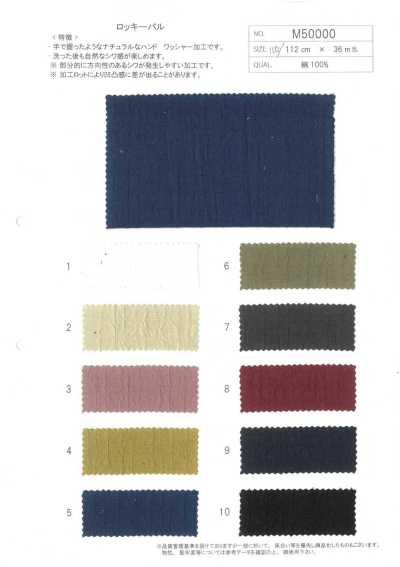
Tsumugi yarn tends to have uneven fiber thickness and twist, so slubs, mottling, and slight unevenness appear on the textile surface. Unlike silk cloth with a uniform, strong luster, it has a subdued sheen and a rustic look that conveys handwork.
Tsumugi made with silk is relatively light and has suppleness and warmth retention. On the other hand, because yarn type, weave density, scouring, and finishing affect firmness, drape, thickness, and hand feel, it is important not to judge performance by the name alone.
Main Uses and Seasons
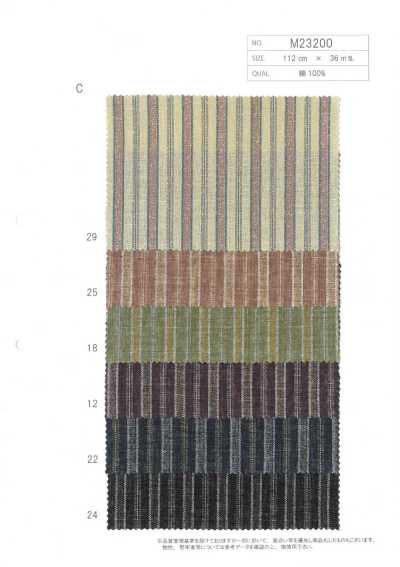
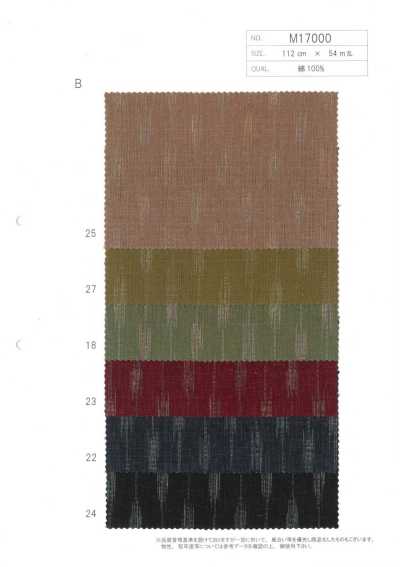
Traditionally, it has been widely used as kimono fabric, and patterns such as stripes, checks, and ikat made with yarn-dyed yarn are often seen. Today, it is also used for items that showcase texture as part of the design, such as jackets, vests, skirts, dresses, accessories, and bags.
Because there are types ranging from light to heavy fabrics, applications and seasons are not uniform. In general, thin, smooth types are suitable for spring and summer clothing and outer layers, while dense, full-bodied types are suited to autumn and winter clothing and traditional Japanese wear.
Selection and Handling Notes
When selecting, confirm the material blend ratio, structure, fabric weight, thickness, sheerness, firmness, and finishing method on the actual material. Slubs and weaving irregularities are part of tsumugi’s design, but because acceptable product standards differ by project, share the criteria for judging fabric defects in advance.
Silk tsumugi may be affected by moisture, friction, and heat. Shrinkage and changes in texture may occur with water washing, so follow the care label and test results. Also check color transfer from dark-colored items due to friction, and avoid humidity and direct sunlight during storage.
Before cutting, if necessary, carry out hot water treatment or fabric straightening to check for shrinkage and distortion. Because slubbed yarn can easily change thickness near seams, match the needle size, thread size, and stitch density to the fabric, and check for puckering with a test seam.
Differences from Similar Terms
Shantung often refers to a silk fabric with noticeable horizontal slubs from irregular-thickness yarn, and its yarn origin and naming background differ from tsumugi. However, because the appearance may be similar, specifications should clearly state the material, yarn type, and structure.
Pongee is used in English-speaking regions as a term for silk plain weave and may refer to tsumugi, but the scope of usage in distribution varies. Ikat is a technique and pattern in which yarn is partially dyed to create a design, and it is not a synonym for tsumugi itself.
Frequently Asked Questions
Is tsumugi always 100% silk?
Traditional tsumugi is mainly silk, but as a modern fabric name, there are also materials in which fibers other than silk or blended materials are given a tsumugi-like appearance. When procuring, do not judge by the name "tsumugi" alone; confirm the blend ratio, yarn type, structure, and finishing.
Can tsumugi be washed at home?
For silk tsumugi, shrinkage, changes in texture, and fading may occur with water washing, so whether it can be washed at home depends on each fabric and product. Always follow the care label, and before mass production, conduct a washing test on the finished product to check dimensional change and appearance.
Are the slubs in tsumugi a fabric defect?
Slubs and uneven thickness derived from tsumugi yarn are, in many cases, treated as a characteristic of the material. However, excessive thick yarn, weaving damage, stains, and broken yarns are subject to separate inspection. When adopting the fabric, it is important to share the acceptable appearance with swatches and limit samples.