Slub
A slub is a part of a yarn that becomes thicker or appears knot-like, creating natural unevenness and texture in a textile as a design feature or as a result of the material's characteristics.
Contents5 sections
Definition and Overview
Yarn slubs refer to irregular thick sections or knot-like bulges seen in spun yarn and similar materials. They may be intentionally created in slub yarn, or they may occur due to the characteristics of the raw material or the spinning process. On the fabric surface, they appear as dot-like or streak-like unevenness.
In apparel textiles, yarn slubs may be treated as part of the material's character. On the other hand, in fabrics where a uniform, smooth appearance is required, noticeable yarn slubs may be considered a quality inspection item. Whether they are a design feature or a defect is judged against the fabric plan, sample, and inspection standards.
Features and Appearance
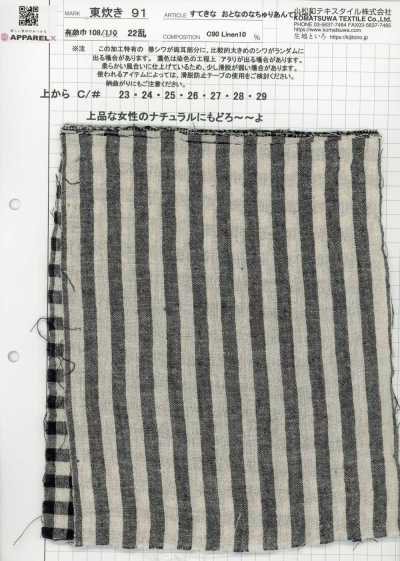
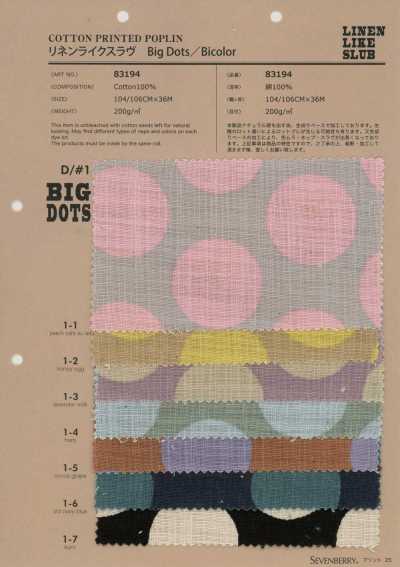
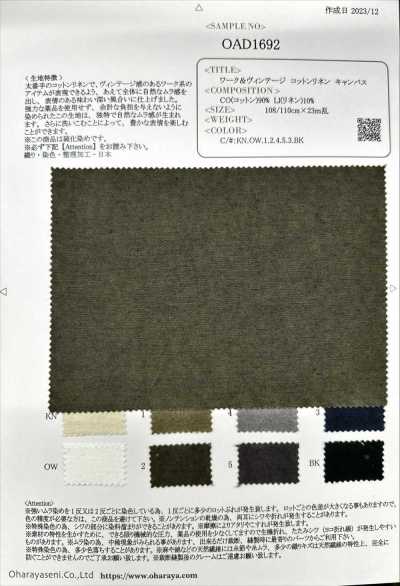
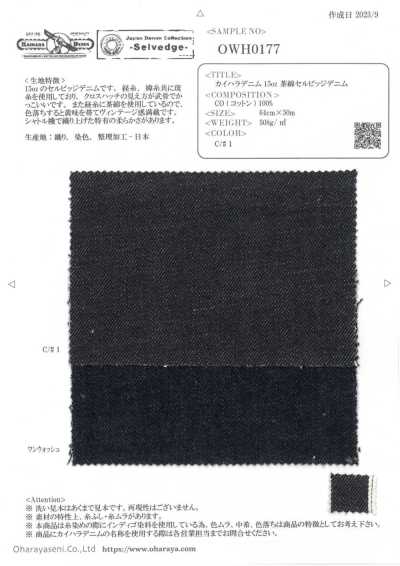
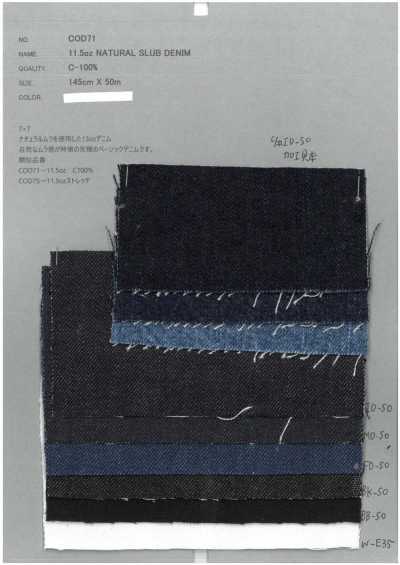
Fabrics with yarn slubs tend to have a rustic, raised texture that differs from fabrics woven or knitted with smooth yarn. Depending on the light and the depth of dyeing, the slubs stand out more clearly, creating a natural, handcrafted, or vintage look.
The appearance of slubs varies depending on the yarn thickness, the size and spacing of the slubs, the weave or knit structure, the color, and the density. Since visibility can differ by shade, whether light or dark, it is important to check the actual material for each color.
- Nep often refers to small granular clumps formed by entangled short fibers, and is distinguished from yarn slubs, which are thick sections of the yarn itself.
- Yarn unevenness is a general term for variation in yarn thickness and uniformity, and is used in a broader sense than yarn slubs.
- Slub yarn is a decorative yarn intentionally made with thick and thin sections, and when those sections appear on the fabric surface, they may be described as yarn slubs.
Main Applications
Materials that make use of yarn slubs are used for shirts, blouses, dresses, skirts, light clothing, and jackets with a natural feel. They help create a cool impression and a sense of texture, and can be seen in lightweight spring and summer fabrics as well as year-round materials that emphasize appearance.
In materials made with natural fibers such as linen and cotton, the natural irregularity of the fibers themselves may be treated as part of the overall look. However, the presence or degree of yarn slubs cannot be judged from the material name alone, so it should be checked with fabric samples and bolts.
Selection and Handling Notes
When selecting, check whether the size, distribution, and visibility by color of the yarn slubs match the intended design. In mass production, lot-to-lot differences should also be considered, and sharing the acceptable degree of slubs in samples and specifications helps reduce mismatches during inspection.
Before cutting, inspect the bolt and decide whether to avoid noticeable slubs in visible areas such as the front body or collar, or to place them intentionally as part of the design. Sections with thick slubs can make seams bulkier and may affect needle penetration and seam appearance, so test stitching should be carried out.
Yarn slubs themselves do not determine shrinkage or washing performance. Shrinkage, surface changes, and fuzzing caused by washing and drying vary depending on the fiber type, structure, and finishing process, so they should be handled based on care labels and prior wash tests.
Frequently Asked Questions
Are yarn slubs a fabric defect?
Yarn slubs are not necessarily a fabric defect. They may be an intentional feature created by slub yarn, or may be acceptable as a characteristic of the material. However, in projects that require a uniform appearance, they can become a defect, so the acceptable range should be confirmed against the sample, specifications, and inspection standards.
What is the difference between yarn slubs and nep?
Yarn slubs refer to thick, knot-like sections of the yarn and may appear linear or streak-like. Nep is a term that often refers to granular clumps formed by entangled short fibers. In practice, the two may sometimes be treated as having similar meanings, so the actual material should be checked.
What should be noted when sewing fabrics with yarn slubs?
If a thick slub overlaps a seam allowance or seam line, differences in thickness can make the seam look uneven. Check the positions of noticeable slubs during cutting, and test stitch with needles, thread, and presser foot pressure adjusted to the fabric. It is important not to pull the fabric forcibly and to feed slubbed sections carefully.