Chintz
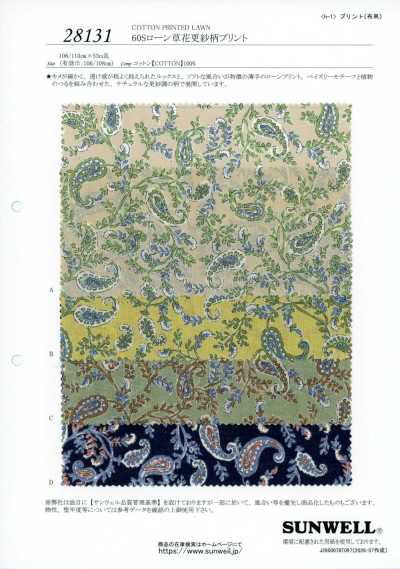
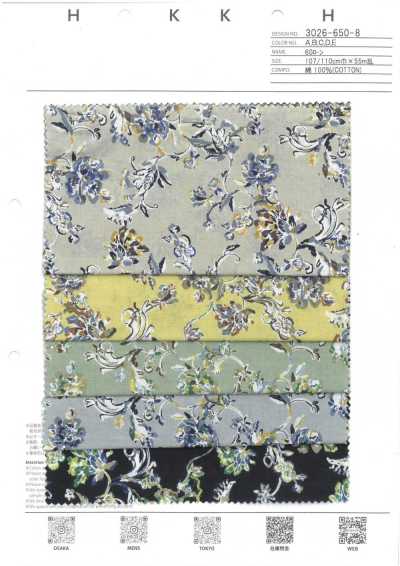
Chintz is a highly decorative pattern that vividly depicts flowers, birds and animals, arabesques, and similar motifs in multiple colors, or a general term for textiles with such patterns expressed by dyeing or printing.
Contents6 sections
Definition and Overview
Sarasa refers to a pattern richly composed in multiple colors with plants, flowers, arabesques, birds and beasts, and people. It is not a name for fabric structure or fiber, but a name for a pattern, and it is expressed on a wide variety of textiles such as plain weave, satin, and knit.
In Japan, the term sarasa includes patterns that developed from dyed and woven goods of overseas origin, especially from India, and the designs that were handed down with them. In modern apparel fabrics, it may also refer not only to traditional motifs but to lively floral patterns in a sarasa style.
How the Pattern Developed and Its Types
Sarasa varies in expression by region and era, with names such as Indian sarasa, Java sarasa, and Japanese sarasa. The methods used to express the pattern are also varied, including hand dyeing, stencil dyeing, and printing.
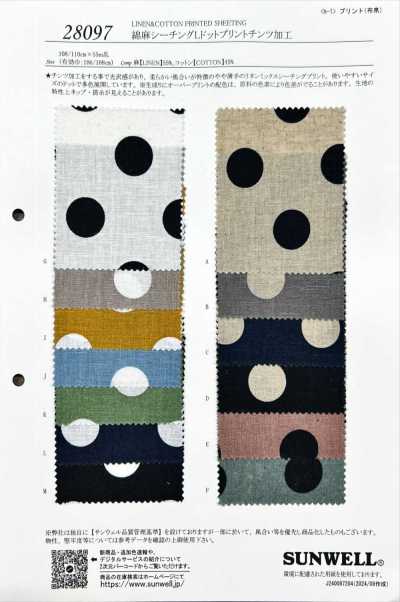
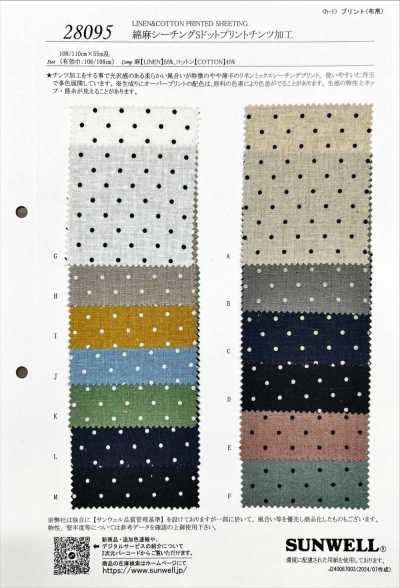
Pattern composition includes motifs scattered over a ground color, allover patterns with flowers and leaves repeated continuously, and motifs arranged within a frame. The product impression changes greatly depending on whether the pattern is small or large, and whether the colors are vivid or subdued.
Chintz is a term sometimes used in connection with sarasa. However, it originally also refers to printed cotton cloth or its finish, and is not completely synonymous with sarasa in general. When preparing proposals or placing orders, confirm the image of the pattern separately from the material and processing.
Main Applications and Seasonality
It is used for dresses, skirts, blouses, shirts, and scarves. Because the pattern can take center stage, combining it with a solid color makes it possible to add variation to styling. It is also used for interior and fashion miscellaneous goods such as bags and cushion covers.
Sarasa expressed on lightweight cotton, rayon, linen, and similar materials is often seen in spring and summer items. On the other hand, if used on deep ground colors, dense textiles, or brushed textiles, it can also be incorporated into autumn and winter products. The season is judged not only from the pattern name, but also from the fabric thickness, texture, and color combination.
Notes on Fabric Selection and Cutting
When choosing sarasa-patterned fabric, confirm the relationship between the material, thickness, sheerness, drape, and the size of the pattern and the product part dimensions. Large patterns are more likely to be cut off midway on small parts, while small patterns tend to blend well with designs that have gathers or tucks.
For motifs with an up and down direction, arabesques that flow in one direction, or border-like arrangements, cut while aligning the direction of the pattern with the grain. Even in allover patterns that seem to have no up or down, it is important to check the entire roll to see whether the color or density of the motifs has any directionality.
When continuing the pattern across the left and right front panels, collar, placket, pockets, side seams, and similar areas, the required fabric length may increase compared with usual in order to match the pattern. Before cutting, confirm one full repeat of the pattern and allow the necessary margin when laying out the markers.
- Confirm the pattern size and how it will look on the product size.
- Check whether the pattern has an up/down direction, left/right direction, or one-way flow.
- Consider pattern matching at the left and right front panels and other noticeable seam positions.
- Calculate fabric length including the allowance for pattern matching.
Differences from Similar Terms
Floral pattern refers broadly to any pattern with flowers as the main theme, while sarasa is characterized by including not only flowers but also arabesques and exotic decorative motifs, and by often having a multicolor, intricate composition. Botanical patterns also depict plants, but sarasa may have a repetitive quality as a decorative pattern.
Paisley is a pattern centered on a distinctive motif resembling a teardrop shape. Paisley-like elements may appear in sarasa designs, but the two are not the same pattern category. Also, komon broadly refers to patterns that repeat small motifs, and is a term that is less limited than sarasa in terms of scale or expression.
Frequently Asked Questions
Is sarasa a type of fabric?
Sarasa is mainly the name of a pattern or design, not a name that indicates fabric structure or material. It is expressed by printing or dyeing on fabrics of various materials and structures, such as cotton plain weave, lawn, and woven rayon. When purchasing, confirm the material, structure, fabric weight, and processing in addition to the sarasa pattern name.
Why does sarasa-patterned fabric need extra allowance?
With large motifs or patterns with an up/down direction, it may not be possible to cut the fabric at any desired position in order to align the pattern position on the left and right front panels, pockets, collar, and similar parts. Because it may not be possible to place the parts in the necessary positions without considering one full repeat of the pattern, the marker layout should include extra allowance for pattern matching.