Botanical Print
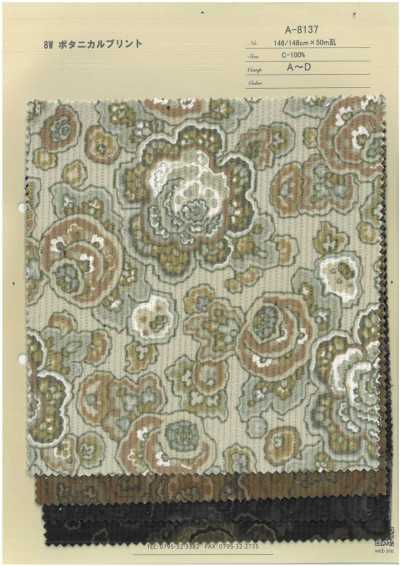
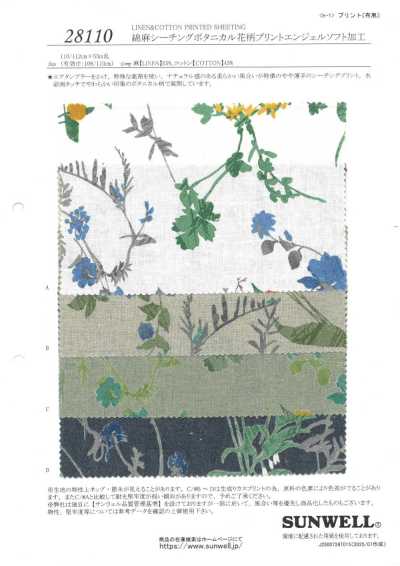
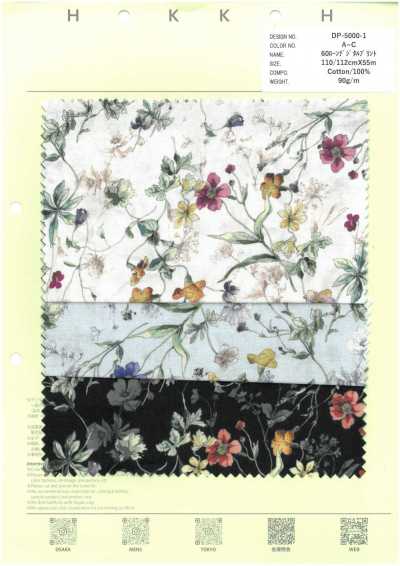
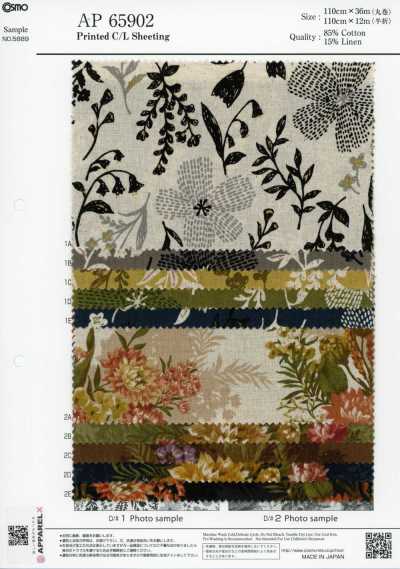
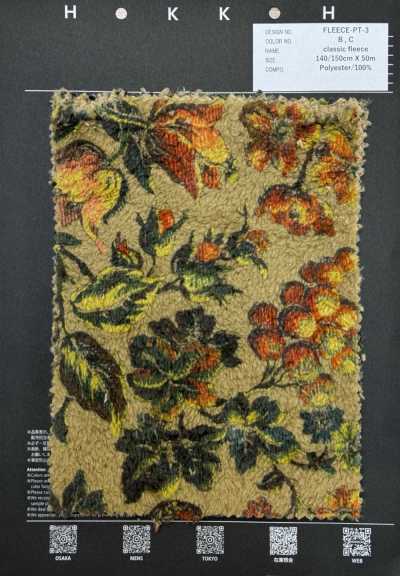
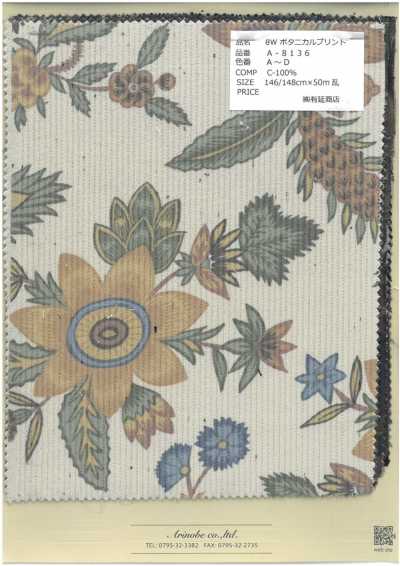
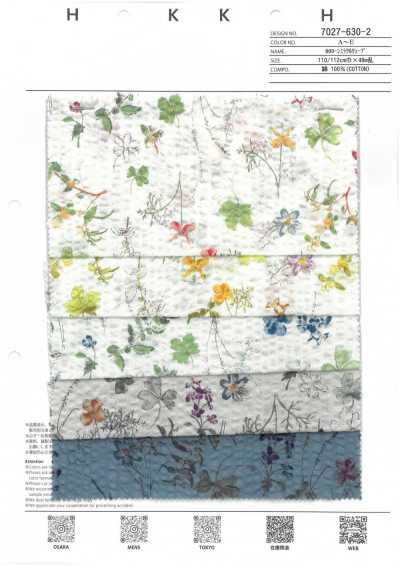
A botanical print is a pattern that depicts plants such as flowers, leaves, branches, and fruit as motifs, in a realistic or stylized form.
Contents5 sections
Definition and Overview
Botanical patterns are a general term for patterns themed around plants. They include not only flowers but also leaves, stems, vines, and berries. They are often expressed as prints on fabric, but are also used when plants are represented in woven patterns, embroidery, or lace.
Even when the subject is plants, the scope of the term varies. In general, patterns that mainly feature flowers tend to be called floral patterns, while those that depict plants as a whole, including leaves and branches, are called botanical patterns.
Origins and Types of Patterns
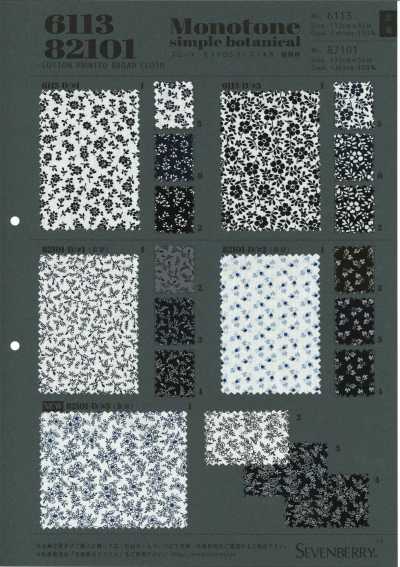
Expressions range from realistic depictions that show fine details like a botanical specimen or illustrated plant encyclopedia, to watercolor-style designs, line drawings, silhouettes, and repeated decorative patterns. Depending on the motif size, color scheme, and use of negative space, the impression can change greatly even with the same plant subject.
Printing is the most typical method for expressing these patterns on fabric, but some are created through woven structures, as in Jacquard. Prints are well suited to multiple colors and detailed depictions, while woven patterns tend to emphasize texture and a raised, dimensional look.
- Large pattern: A pattern with large motifs or large repeats, making it easy to create a strong presence.
- Small pattern: A pattern that repeats small plant motifs, giving a relatively cohesive impression.
- All-over pattern: A pattern with motifs distributed across the entire fabric.
- Directional pattern: A pattern with an up-and-down orientation, such as flowers or stems, that must be aligned in one direction when cutting.
Main Uses and Seasonality
They are often used for blouses, shirts, skirts, dresses, and gowns. On lightweight fabrics with good drape, they create a light and soft impression; on firm fabrics, they give a sharper outline, so the product image changes depending on the material even with the same pattern.
Because they evoke flowers and foliage, they are often used in spring and summer collections. However, with deep tones, subdued color schemes, or combinations with heavy or brushed materials, they can also be incorporated into autumn and winter items.
Choosing Fabrics and Cutting Considerations
When selecting fabric, check the relationship between the pattern size and the dimensions of the item parts. Large patterns require attention to how motifs look when they are cut off midway on the body. For small parts such as collars, pockets, and plackets, consider before cutting whether the intended motif will appear as desired.
For directional or top-and-bottom patterns, align the direction of the front body, back body, sleeves, and other parts consistently. Also, when considering pattern continuity at the left and right body pieces, center front, side seams, or pocket positions, allow extra material compared with standard requirements for pattern matching.
For repeat patterns, check the repeat size and fabric width, and adjust part placement during marking. If a pattern position is specified, clearly state the reference motif, center position, and up-and-down direction in the spec sheet or cutting instructions to help prevent misunderstandings.
Frequently Asked Questions
What is the difference between botanical patterns and floral patterns?
Floral patterns usually refer to patterns whose main motif is flowers, while botanical patterns are based on plants in general, including flowers, leaves, branches, stems, and fruits. However, there is no strict standard for distinguishing between the two, and some botanical patterns are centered on flowers.
Do botanical pattern fabrics require more material?
If the pattern has a fixed direction or if pattern matching is done on the body pieces or pockets, the required material may increase. Check the repeat size, pattern size, fabric width, and the desired motif placement for each part, and determine the necessary amount during marking before cutting.
What are the key points when cutting large botanical-pattern fabric?
Decide which motif to place in areas that draw the eye, such as the center front or neckline. Also check the left and right appearance, how motifs are cut at seams, and how they overlap with pockets. If priority is given to how the pattern appears, additional material may be needed.