Pocket Lining
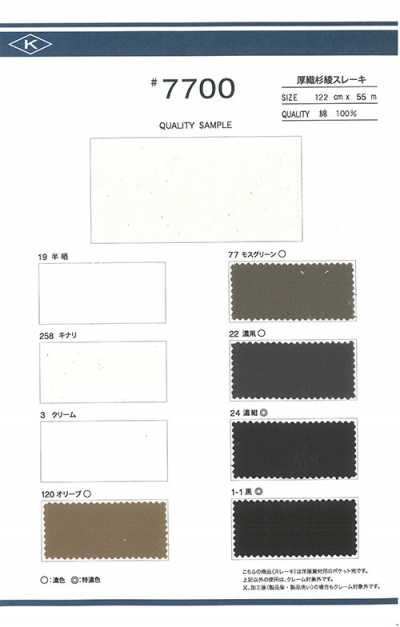
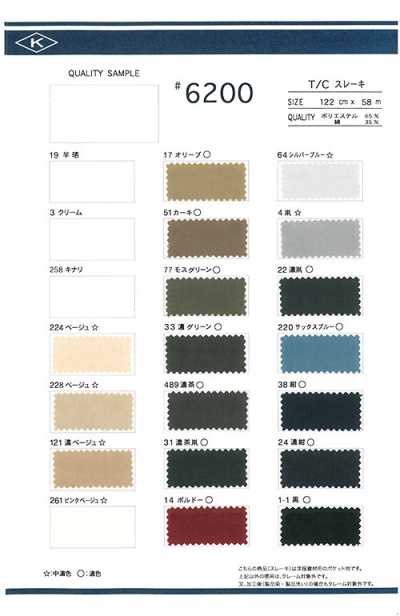
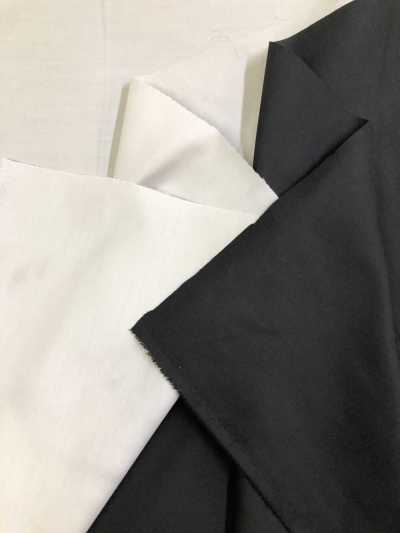
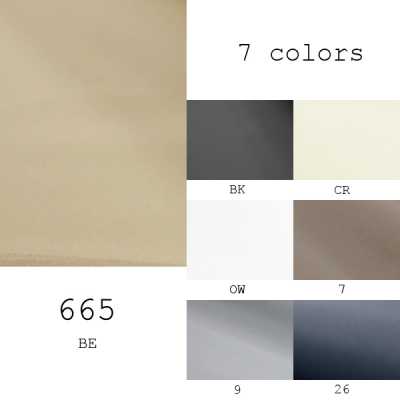
Pocket lining is a thin to medium-weight woven fabric used mainly for pocket bags in pants and jackets, designed for durability and ease of sewing.
Contents6 sections
Definition and Overview
Pocket lining is a term for the fabric used to form a pocket bag and attached in a bag shape to the inside of a pocket. It is used to preserve the appearance of the outer fabric while ensuring pocket strength and practicality. It is generally made mainly from woven fabrics, and in addition to plain types, striped and patterned types are also available.
“Pocket bag fabric” is a broad term for the fabric or area that becomes the inner bag of a pocket, while pocket lining refers to the fabric often used for that bag fabric. However, depending on the workplace or product, the two may be treated as having almost the same meaning.
Use Areas and Role
The main use areas are the bag fabric for side pockets and front pockets in slacks, denim, work pants, and similar items. In jackets, coats, shirts, and similar garments, it is used as the bag fabric for inner pockets and hip pockets.
It must withstand friction when a hand is inserted through the pocket opening and absorb the pulling force from stored items. It also supports the outer fabric around the pocket opening from the back and helps prevent the pocket area from losing its shape during wear.
Materials and Types
Items made mainly of cotton have moisture absorbency and are easy to give a natural texture, so they are used for casual clothing and pants. Items containing synthetic fibers such as polyester blends are selected with strength, quick-drying performance, and dimensional stability in mind.
The basic weave is plain weave, but there are also types such as twill and herringbone that differ in appearance and strength. There are also pocket linings that are indicated by traditional size numbers as a rough guide to thickness and use, but because the size number and the actual fabric weight and density vary depending on the standard and supplier, the specifications must be checked individually.
- Thin types are suitable for lightweight garments and specifications that aim to reduce the effect on the outer fabric.
- Medium-thick and thick types are considered for workwear and pockets that bear a heavy load from stored items.
- Patterned types are used when design appeal is desired when the pocket is opened.
Main Applications
In pants, it is used for the bag fabric of slash pockets, front pockets, coin pockets, and similar parts. In denim and chino pants, the color combination or pattern with the outer fabric may also be used as a design element.
In jackets and coats, it is used for the bag fabric of chest pockets, inner pockets, and hip pockets. For uniforms and workwear, pocket linings chosen with durability in mind are selected based on expected frequency of use and stored items.
Selection, Handling, and Sewing Notes
When selecting, check the thickness, stiffness, color, shrinkage after washing, and required durability relative to the outer fabric. Fabric that is too thin may lead to wear or tearing, while fabric that is too thick may cause the pocket opening and side seam allowances to overlap and become bulky, creating fading on the outside.
If the shrinkage rate or colorfastness differs greatly between the outer fabric and the pocket lining, this can cause puckering, shape changes, or color transfer after washing. Before mass production, it is important to perform sewing tests and washing tests including the outer fabric, interlining, and sewing thread, and to confirm pocket opening strength and seam bursting.
During cutting, align the grain and keep the direction consistent between the left and right pocket bags and the facing. At the pocket opening and at stop points subject to load, apply reinforcement such as bartacking as specified, and finish the edges of the pocket bag with overlock finishing or similar methods to prevent fraying.
Frequently Asked Questions
How does pocket lining differ from lining?
Pocket lining is a fabric used mainly for pocket bags, with strength and sewability in mind. Lining is used to cover the inside of a garment, improve slip, or protect the outer fabric. Both are used on the inside, but the application areas and required performance are different.
Does pocket lining need to be the same material as the outer fabric?
It does not necessarily need to be the same material. It is selected based on pocket durability, thickness, washing conditions, and how much it affects the outer fabric. However, the difference in shrinkage rate and the possibility of color transfer from the outer fabric can affect product quality, so confirmation through combination testing is necessary.
Can fabric be selected based only on the pocket lining size number?
The size number is used as a customary guideline indicating the thickness and use of pocket lining, but it is not necessarily a standardized performance indication. Even with the same size number, the texture and strength differ depending on the material, weave density, fabric weight, and finishing, so selection should be made by checking the standard values and the actual material.
- Browse Pocketing products
- Browse Cotton / Polyester products
- Products with material "Cotton"
- Products with material "Polyester"
- Products for style "For Pants"
- Products for style "For Jackets/Suits"
- Products for style "For Outerwear/blousons/coats"
- Products for style "For Uniforms/Workwear"
- Products for style "For Denim"
- Browse Pocket Lining products