Pin Cushion
A pin cushion is a sewing tool used to temporarily stick and store pins such as straight pins and sewing needles, making the needles needed during sewing easier to access.
Contents6 sections
Definition and Overview
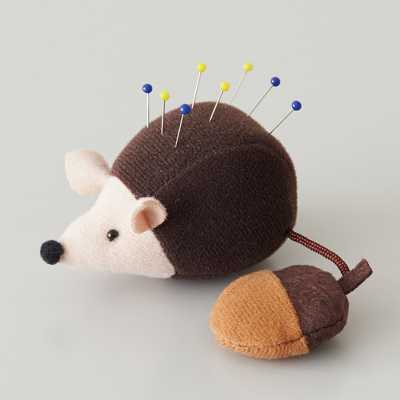
A pincushion is a tool used by sticking needles into a padded section covered with fabric or similar material, and is generally also called a needle cushion. It serves to keep needles together for hand sewing, basting, pattern work, and similar tasks, preventing loss or scattering on the worktable.
It is not the pin or sewing needle itself, but a supply for holding them. In addition to temporarily setting needles aside, it helps sewing work proceed more smoothly by organizing needles in an easy-to-reach place for the operator.
How to Use
Insert the needles you are using into the cushion section until the points do not protrude. If you push them in too deeply, they become hard to remove, so leaving enough length to touch the head or handle makes them easier to use.
During sewing, place it where it is easy to reach on your dominant-hand side, and aligning the directions of the needle points increases safety. Do not store needles stuck in fabric or clothing; after each work interval, check the number of needles and return them to the pincushion.
- Insert pins with the heads facing up.
- Insert sewing needles so that the points are not exposed.
- Store needles of different types and lengths in separate places by application.
Types and How to Choose
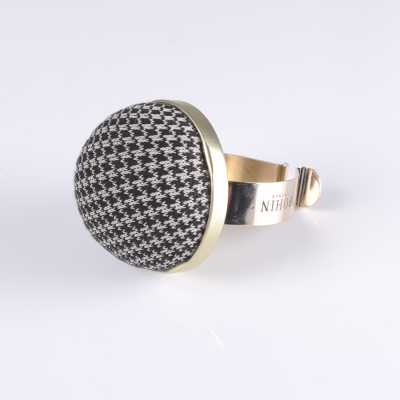
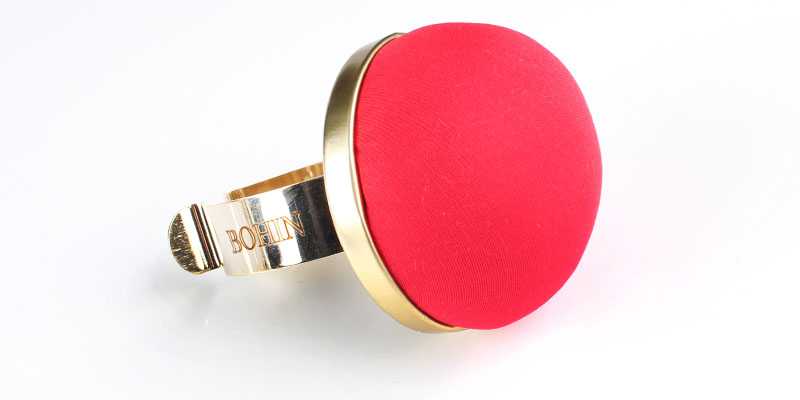
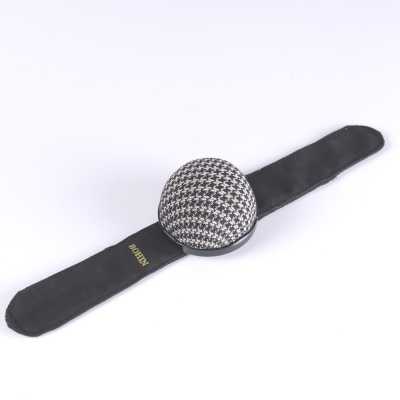
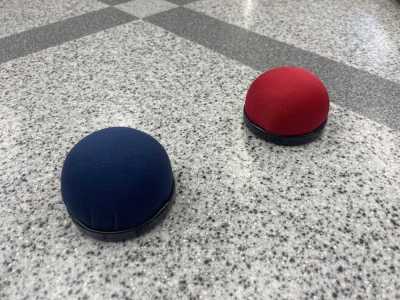
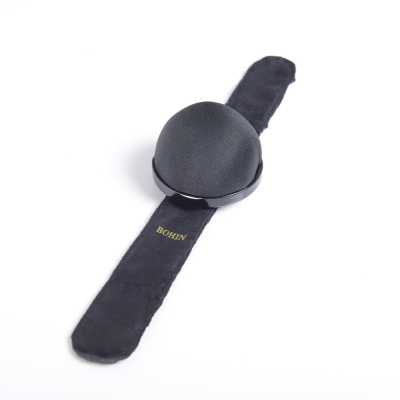
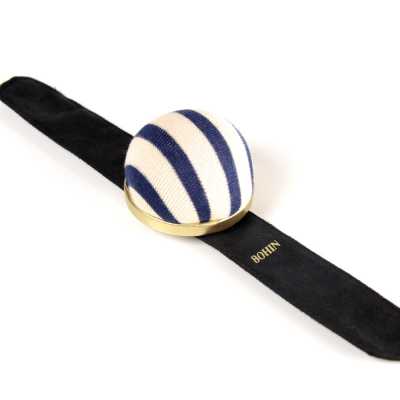
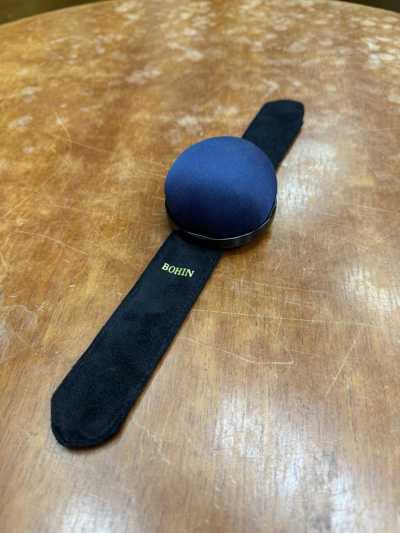
Typical shapes include tabletop stand-alone types, wrist types that can be worn on the wrist, and types that attach to clothing or workwear. When the work area is limited or for standing work, a shape that can be held close to the body may be convenient.
When choosing one, check the length and number of needles to be used, the installation location, and stability. If you use many pins, one with a sufficient puncturing surface is suitable; if you mainly use thin hand-sewing needles, one with a denser structure that helps keep the needle points stable is suitable.
A magnetic needle holder that catches needles with magnets has a different structure from a pincushion that holds needles by inserting them. Although it makes temporary placement of needles easy, it is not suitable for storing the needle points inside the cushion.
Care and Safety Precautions
Do not use it if the cushion surface is torn or the stuffing comes out. If the needles are no longer stable, they may fall out or cause puncture injuries. Wipe off dirt lightly according to the material, and store it away from humid places.
Do not mix in rusty or bent needles; remove them. Especially in sewing workplaces, it is important to check the number of needles before and after work and manage them so that no needles remain on the floor, products, or cutting table.
Do not place it where small children or other people can touch it, and after use store it in a condition where the needle points are not easily exposed to the outside. When carrying a pincushion, make sure the needles will not come out, and put it in a case if necessary.
Differences from Similar Terms
A pin is a needle used for temporarily holding fabric in place, while a pincushion is a tool used for storing and temporarily setting those needles aside. A sewing needle also refers to the needle itself used for hand sewing, so its application and role differ from those of a pincushion.
A needle case is a container for storing and carrying needles, and does not necessarily have a puncturing surface for frequent insertion and removal during work. A pincushion emphasizes easy retrieval during work, whereas a needle case emphasizes storage and portability.
Frequently Asked Questions
Can pins and sewing needles be stuck into a pincushion together?
They can be stored together, but if the types and lengths of the needles differ, it becomes easier to confuse them. Separating the places used for pins, hand-sewing needles, used needles, and needles scheduled for replacement makes it easier to maintain both work efficiency and safety.
What should I do if the needles in a pincushion rust?
Since moisture may be a factor, the basics are not to insert needles that have been touched with wet hands as they are, and to avoid humid places. Rusted needles can damage or stain textiles, so discard them without using them.