Pigment Print
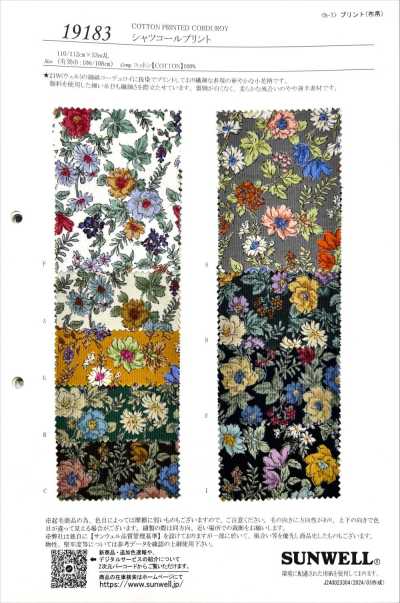
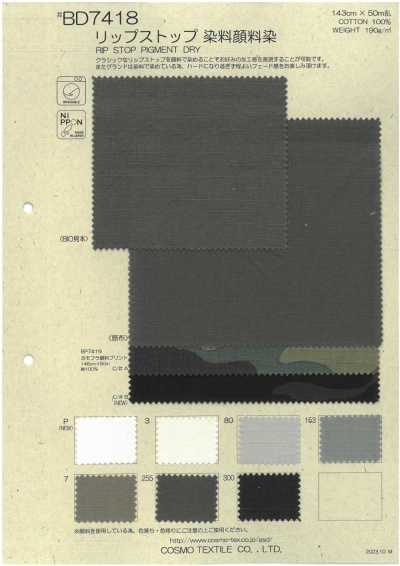
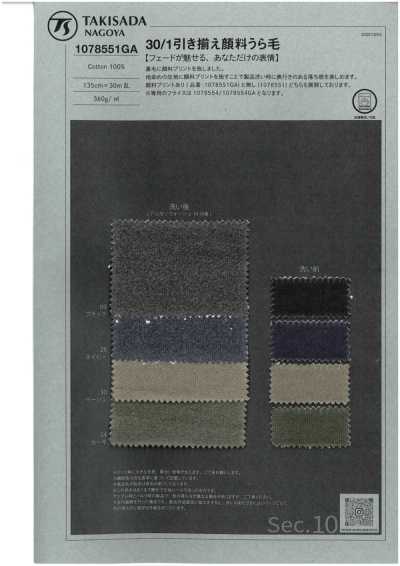
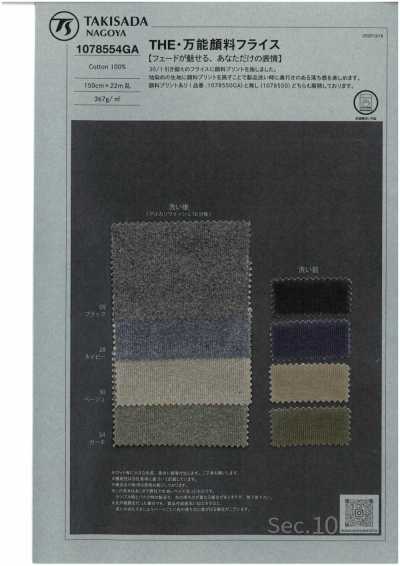
Pigment print is a printing process that fixes pigments, which do not dissolve in water, to the surface of textile using binder resin to express patterns, logos, and colors.
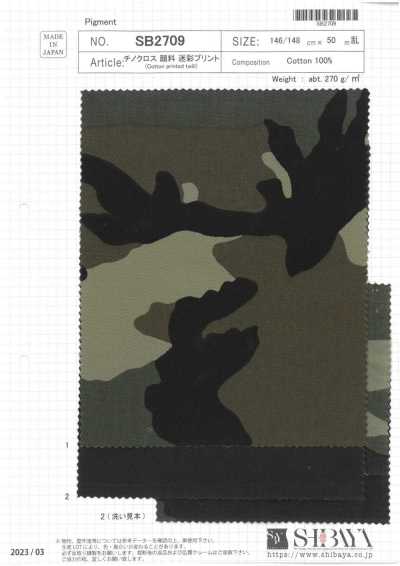
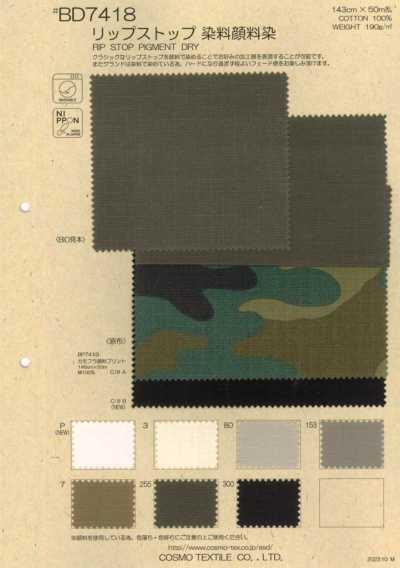
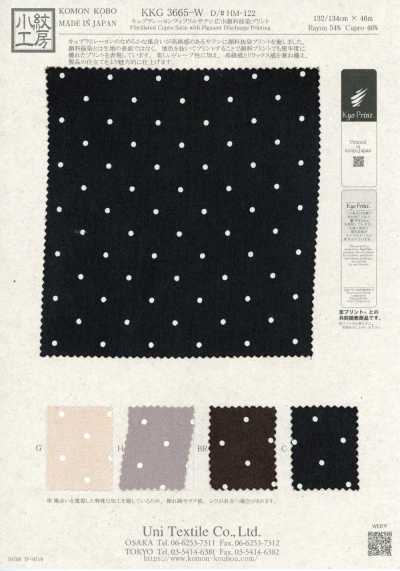
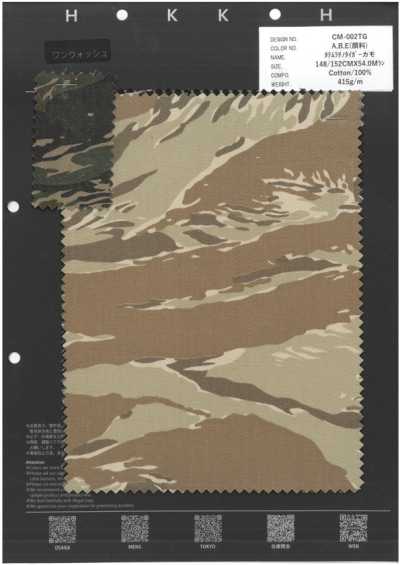
Contents6 sections
Definition and Overview
Pigment printing is a process in which pigment, a coloring agent, is mixed with an adhesive resin called a binder and fixed to the surface of the textile. Because the pigment itself does not penetrate and bond with the fibers, the mechanism of color development differs from dye printing, which colors the inside of the fibers.
A key feature is that it can be applied easily regardless of material type, including cotton, polyester, and nylon. However, whether it can actually be processed and whether it meets the required durability must be confirmed based on the surface condition of the textile, composition, stretch of the woven or knitted fabric, and the combination of pigment and binder used.
Hand and Appearance Characteristics
Because a thin film is formed on the textile surface in the printed area, it may feel stiffer and firmer than the solid area. This is especially likely to affect breathability, softness, and drape in designs with large solid areas, dark colors, or a heavy application of color paste.
Pigment printing is a process that makes it relatively easy to produce a matte appearance and designs with clear outlines. On the other hand, gloss, opacity, and color vividness vary depending on the type of pigment and binder, the ground color, and processing conditions. On thin fabrics, confirmation is needed, including the show-through of the base and changes in hand.
Main Applications
In addition to garments such as T-shirts, sweatshirts, shirts, and dresses, it is used for a wide range of products where patterns and logos are to be expressed, such as bags, hats, aprons, miscellaneous goods, and interior fabrics. Consider it based on the intended design and required durability rather than the fabric structure or fiber type.
Although it is not a seasonal process, on thin fabrics for spring and summer or items that touch the skin, the effect of the printed area on breathability and hand affects comfort when worn. On French terry and brushed materials for autumn and winter, the condition of the pile may change the sharpness of the design and adhesion.
Selection and Handling Notes
At the planning stage, organize the pattern area, line fineness, intended placement, washing frequency, and areas subject to friction, then confirm the hand and appearance with trial processing. In particular, for stretch fabric, it is important to check how cracking or whitening appears when the garment is stretched during wear and to choose a formulation that follows the stretch.
For washing, follow the care label on the product. Effective precautions include washing inside out, avoiding strong friction, and not storing the printed side folded together at high temperatures. Since dryers and high-temperature irons may affect the state of the film, iron with a pressing cloth or avoid the printed area.
Shrinkage is not determined uniformly by pigment printing alone; it is mainly influenced by the base fabric material, woven or knitted structure, pretreatment, and washing conditions. Before cutting and sewing, if necessary, carry out scouring or straightening, and confirm the shrinkage rate after printing, skew, and fading around seams under mass-production conditions.
- During sewing, confirm whether needle holes or marks from the presser foot are noticeable on the printed surface.
- At areas with overlapping stitching or strong folding, confirm in trial production whether the film cracks, peels, or the seam puckers.
- In quality evaluation, confirm not only washing fastness but also rubbing fastness and light fastness according to the intended application.
Differences from Similar Terms
Printing is a broad term for processes that express patterns, text, and the like on textiles. Pigment printing is one type of printing and refers to the method of fixing pigment to the surface with a binder. Screen printing is a printing method that uses a stencil to lay color paste onto the textile, and it is a technique also used for pigment printing.
Inkjet printing is a method of expressing patterns by spraying ink based on digital data. It may use pigment ink, but it does not refer to the processing method itself. Dye printing, on the other hand, fixes dye to the fibers, so the hand, color development, suitable fibers, and durability items to confirm generally differ from those of pigment printing.
Frequently Asked Questions
Does pigment printing peel off when washed?
If the processing conditions and compatibility with the textile are appropriate, it will not peel off immediately under normal use. However, strong friction, repeated stretching, high-temperature drying, and aging may cause cracking or wear. Confirm with washing and rubbing tests according to the application.
Can pigment printing be used on stretch fabric?
Yes, but a binder and process design that follow the stretch are necessary. On highly stretchy knits and swimwear applications, the printed area may appear to crack when stretched. Confirm the appearance and adhesion through tests that assume the actual wearing direction and stretch rate.