French Terry
French terry is a knit fabric with a smooth jersey face and looped threads on the back, offering moisture absorbency and moderate warmth.
Contents6 sections
Definition and Overview
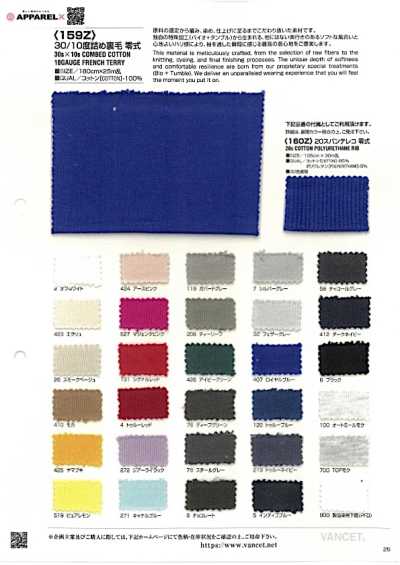
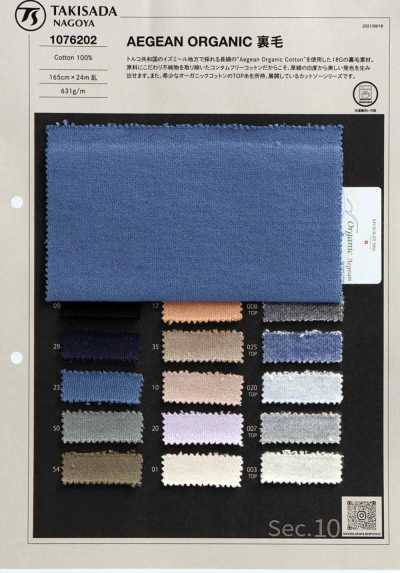
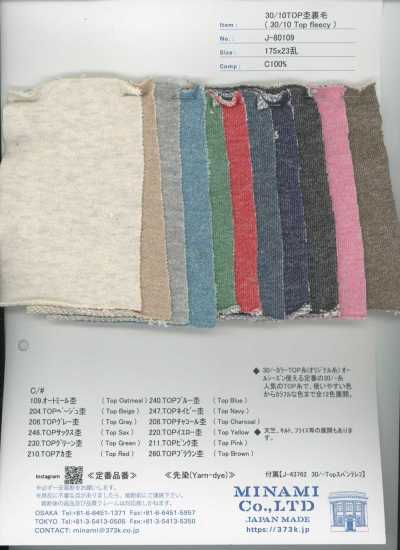
French terry is a knitted fabric with a relatively smooth surface on the front side and pile-like loops on the back side. In English, it is called French terry. Because it traps air between the loops, it is characterized by its thickness and easy-to-achieve light warmth retention.
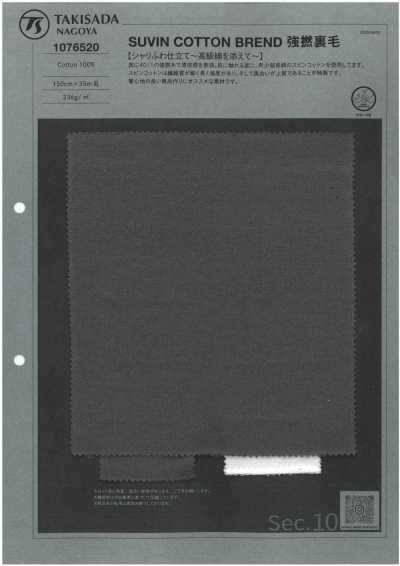
Many are made mainly from cotton, and some are blended with polyester. Depending on the composition, yarn thickness, knit density, and fabric weight, the texture and applications vary from thin, lightweight types to thick, substantial ones.
Features
The front side has a casual, relatively neat appearance, and the back-side loops contribute to a soft feel against the skin and moisture absorption. Because the back side is not brushed, it is generally more breathable than brushed backing and is a material that can be used across many seasons.
As a knitted fabric, it has more stretch than woven fabric, but the amount of stretch and recovery varies depending on the structure and blended fibers. Pilling and fuzzing may occur on the surface through washing and wear.
- The back-side loops make it easier to achieve comfort against the skin and moisture absorption.
- Thicker textile keeps its silhouette more easily, while thinner textile is also easy to use for layering.
- Melange effects and garment dyeing make it easy to create a casual look.
Main Applications
It is used for sweatshirts, hoodies, zip-up parkas, pants, skirts, dresses, and more. Depending on the thickness and finishing of the textile, it is used widely, from spring and autumn tops to autumn and winter casual wear, loungewear, and kids' wear.
Taking advantage of its stretch and ease of movement, it is also used for sports-style clothing and casual uniform items. When deciding on applications, check not only the required warmth retention but also the appearance of the surface, drape, and washing frequency.
How to Choose and Handling Notes
When selecting, check the fabric weight, thickness, loop size on the back side, composition, and stretch in both the horizontal and vertical directions. For tops, moderate thickness and good shape retention are important; for pants, resistance to knee bagging and rebound are important; for rib knit accessories, color tone and shrinkage compatibility are important.
Before cutting, perform prewashing or a test wash to check shrinkage, skewing, and color fading. Because knitted fabric tends to curl at the edges and stretch easily during sewing, it is necessary to use knitting needles and differential feed and make adjustments to suppress seam stretching and waviness.
For washing, follow the care tag instructions. Turning the garment inside out and using a laundry net helps reduce surface friction and stress on printed areas. Dark-colored items may transfer color under friction or while wet, so care such as washing separately is necessary.
Differences from Similar Terms
"Sweat" is a broad term for knitted fabrics such as French terry and brushed-backed fabric, or garments made from them. French terry refers to the structure of a knitted fabric with looped backing. Therefore, even if something is called sweat fabric, it does not necessarily mean that all of it is French terry.
Brushed-backed fabric is a material in which the back-side loops of French terry or similar fabrics are raised into a fuzzy surface. It tends to provide more warmth than French terry, while the appearance of the back side, the feel against the skin, and breathability differ. Jersey is a thinner, flatter knitted fabric with no loops on the back side.
Frequently Asked Questions
Can French terry be used in summer too?
Thin French terry made mainly from cotton is used for items that address air conditioning in spring and summer or temperature differences between morning and evening. However, because it has back loops, it tends to feel thicker than jersey, so it is important to choose by checking the fabric weight, composition, and breathability.
Which is warmer, French terry or brushed-backed fabric?
Generally, brushed-backed fabric, whose back side has been raised into a fuzzy surface, traps more air and has better warmth retention. French terry retains its loops, so it is more breathable than brushed-backed fabric and tends to be easier to use over a relatively long period from early autumn to early spring.
What should be noted when sewing French terry?
French terry is stretchy, and the area around the seams may wave or stretch during sewing. Align the grain and cut, then test knitting needles, thread that matches the stretch, differential feed, and other settings according to the textile, and adjust sewing conditions.