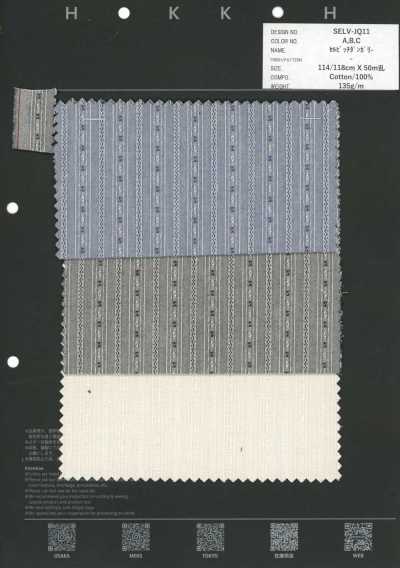
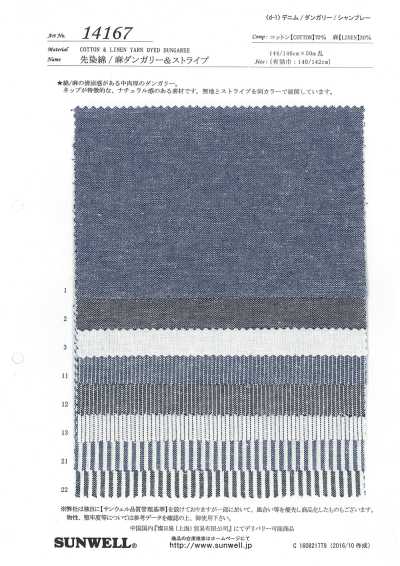
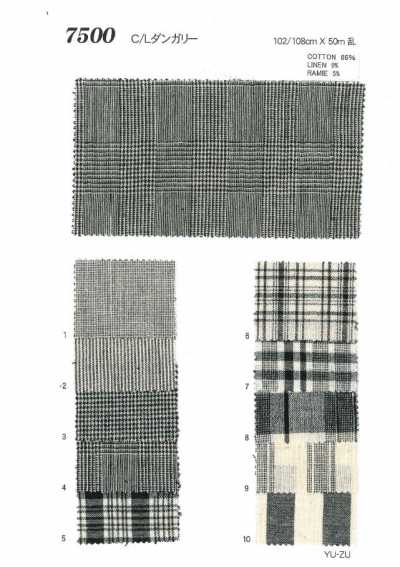
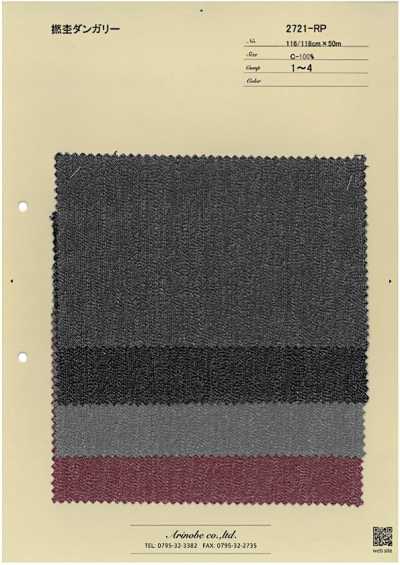
Dungaree
Dungaree is generally a cotton textile woven with white warp threads and colored weft threads, and unlike denim, it uses the opposite color arrangement in the warp and weft, resulting in a heathered, relatively lightweight textile.
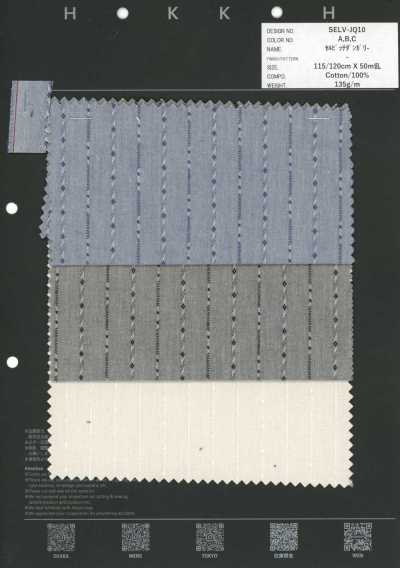
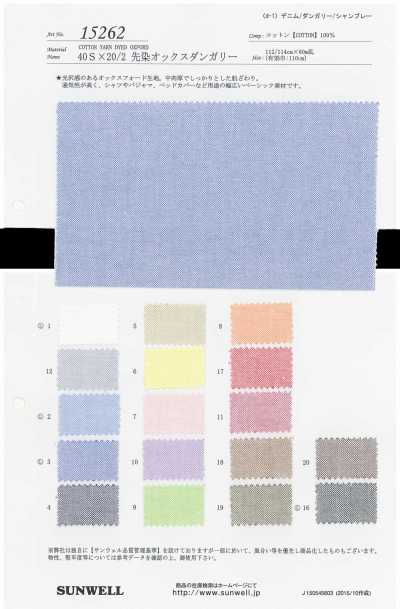
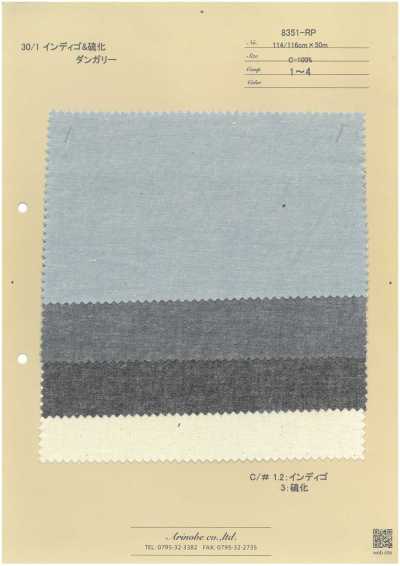
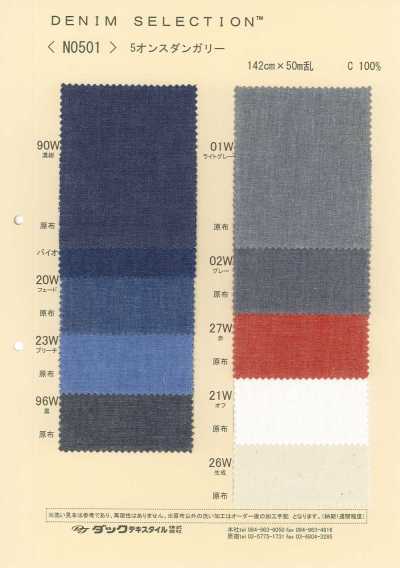
Contents6 sections
Definition and Overview
Dungaree is generally a yarn-dyed woven fabric made mainly from cotton. The combination of white warp yarns and colored weft yarns gives the surface a subtle heathered look and a sense of depth in color. Unlike denim, it reverses the color use of warp and weft, and although it was originally a twill fabric, plain-weave versions are also now called dungaree.
Because there is a wide range in material composition, yarn thickness, density, and finishing, the texture of fabrics called dungaree is not uniform, ranging from lightweight shirting material to slightly sturdier casualwear fabric.
Texture and Function
While it has a casual look reminiscent of denim, it is generally lighter than denim and easier to use for shirts and blouses. Cotton-based types are easy to give natural softness and absorbency, and their appearance also changes with wear and washing.
Plain-weave types have more intersections between warp and weft, making it easier to give them moderate firmness and stability, but in lightweight product numbers, care is needed regarding friction and strong pulling. In blended or processed products, wrinkle behavior, quick-drying performance, and stretch vary.
Main Applications
It is used for shirts, blouses, dresses, and skirts, as well as children's wear and casual jackets. Taking advantage of its fresh, light look, it is often used for spring and summer clothing, but depending on yarn thickness and fabric weight, it can also be used for year-round items.
During planning, even the same color can look different depending on warp and weft yarn colors, weave density, and whether washing has been applied. It is important to check not only the overall impression of the product, but also sheerness, thickness, and required strength through swatches and samples.
How to Choose and Handling Precautions
Dungaree with cotton as the main raw material may shrink and wrinkle after washing. Before mass production, confirm the shrinkage rate, and if necessary perform fabric setting or hot-water treatment, then reflect it in the pattern dimensions. For dark colors, also check the possibility of color fading and color transfer due to friction and washing.
For sewing, select needles, thread, and stitch settings suitable for the fabric thickness and density. Lightweight fabrics may be prone to seam shrinkage and puckering, and dark colors may show needle marks, so sewing tests are necessary. Before cutting, align the grain and the appearance of the color.
- For the first wash, separate washing should be considered.
- White yarn may show through at seam allowances and folded parts, emphasizing color differences.
- Always follow the fabric and product care labels for washing instructions.
Differences from Similar Terms
Denim is generally a twill fabric woven with colored warp yarns and white weft yarns, and diagonal ridges appear on the surface. Dungaree uses the opposite color arrangement of warp and weft (white warp yarns and colored weft yarns), and many versions are plain weave, so it tends to have a flatter, lighter appearance.
Chambray is a plain-weave fabric woven with colored warp yarns and white weft yarns, giving it a heathered look similar to dungaree. Since usage overlaps in the market, do not judge by the name alone; check the weave, composition, fabric weight, and finish.
Frequently Asked Questions
Are dungaree and denim the same fabric?
No, they are not the same. Denim is generally a twill woven with colored warp yarns and white weft yarns, while dungaree uses white warp yarns and colored weft yarns, and many versions are plain weave. Dungaree has less noticeable diagonal ridges and is often used as a relatively lightweight shirting fabric.
Does dungaree fabric shrink when washed?
Fabrics made mainly from cotton may shrink when washed. The amount of shrinkage varies depending on composition, weave density, finishing, and washing conditions, so it is important to perform a water soak or washing test before mass production or making items and confirm the shrinkage rate.
What is the difference between dungaree and chambray?
Chambray is said to be a plain weave with colored warp yarns and white weft yarns, while dungaree is said to use white warp yarns and colored weft yarns (originally twill), but they are not always clearly distinguished in the market. Do not decide based only on the general name; check the weave such as plain weave, yarn use, fabric weight, and material composition on the fabric sample.