Geometric Pattern
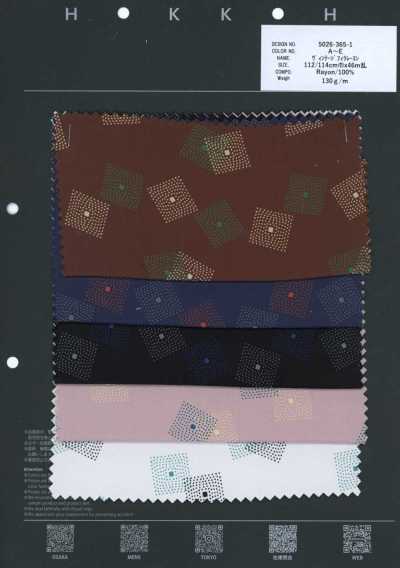
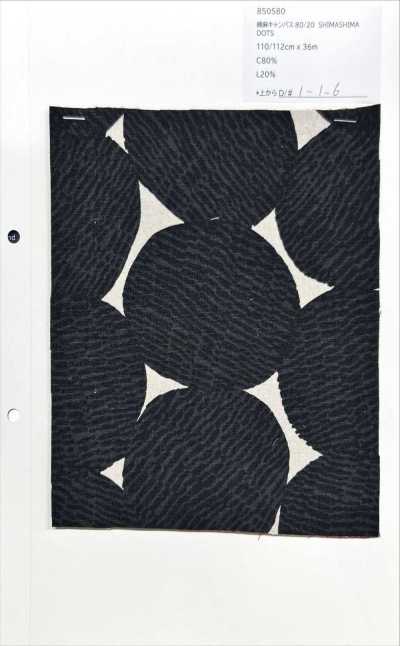
A geometric pattern is a pattern expressed by combining geometric elements such as straight lines, curves, circles, triangles, and squares in a regular or structured way.
![AI-12 Silk Jacquard Geometric Pattern Off-White [Outlet]](/img/item/thumb/YX/1093507_t2.jpg)
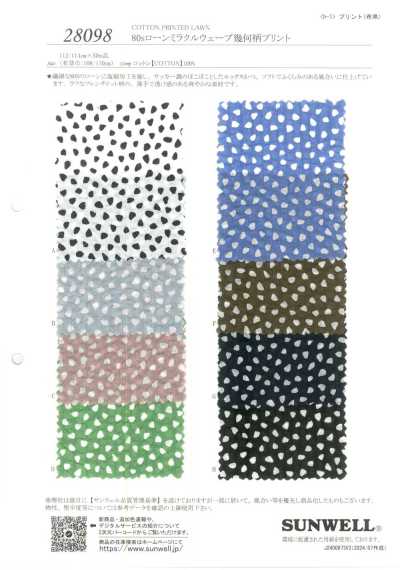
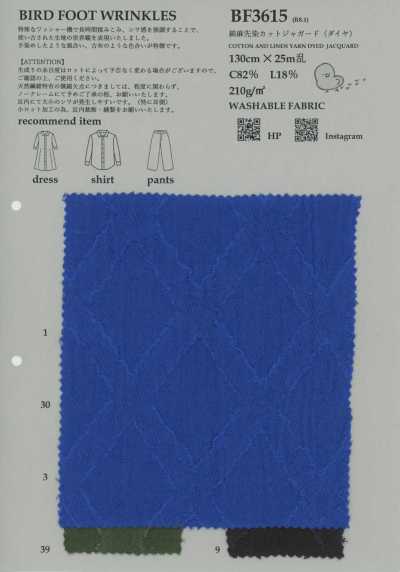
![S-941 [Outlet] Yamanashi Fujiyoshida 100% Silk Check Pattern Gray](/img/item/thumb/YX/1062323_t2.jpg)
Contents5 sections
Definition and Overview
Geometric patterns are a general term for patterns constructed from shapes and lines as basic elements, rather than realistically depicting natural flowers, animals, or similar subjects. Repetition, symmetry, grids, arrangement, and overlap can create a wide range of expressions, from a neat impression to a sense of movement.
This is a classification based on the visible design on the surface, not on the weave structure or material name of the textile. In addition to printing, it may be expressed through yarn-dyed yarn use, Jacquard or dobby weave structures, knit patterns, embroidery, and other methods.
Pattern Structure and Names
Typical structures include striped lines, checks, dots, repeated triangles or diamonds, a series of circles or polygons, and mosaic-like arrangements. However, geometric pattern is a broad term, and individual patterns may have their own specific names.
Check patterns, checkerboard patterns, and argyle have geometric structures, but they are generally handled by their individual names. A geometric pattern is not limited to a specific shape name and is characterized by including abstract designs that combine multiple shapes.
- Regular repeating pattern: a structure that repeats motifs at fixed intervals.
- Symmetrical pattern: a structure arranged to correspond left-right or up-down based on a center line or center point.
- Irregular composition pattern: an abstract structure with variations in shape size and placement.
Main Applications and Seasonality
These are used for shirts, blouses, dresses, skirts, pants, and jackets, as well as bags, fashion accessories, and interior applications. Small repeating patterns are relatively easy to incorporate, while large motifs and strong color combinations become design elements that influence the product's impression.
Geometric patterns themselves are not tied to any season. Using light-colored small patterns on lightweight textiles creates a fresh impression, while using deep colors and large patterns on heavyweight textiles makes it easier to create an autumn/winter feel. Seasonality is judged mainly by the material, color, and pattern size.
Notes on Fabric Selection and Cutting
When selecting a textile, confirm the pattern size, repeat interval, contrast between the base color and pattern color, and the drape of the material. On textiles with high drape, shapes appear differently along curved surfaces, so if you want to show straight patterns clearly, consider firmness and stability as well.
Patterns with an up-down direction, left-right asymmetrical patterns, and patterns that flow in a fixed direction need to have a consistent orientation when cutting. When matching pattern positions on the front body, back body, sleeves, pockets, and other parts, allow for more fabric than you would for a plain solid textile.
For pattern matching at sewn seams, prioritize areas that draw the eye, such as the center line, front placket, side seam, and pocket opening. It is important to place the pattern based on one repeat cycle and share in the specification sheet which areas can tolerate misalignment and which areas must be matched.
Frequently Asked Questions
What is the difference between a geometric pattern and a check pattern?
A check pattern is a relatively specific term for patterns in which vertical and horizontal lines intersect to form a grid, or for patterns derived from that structure. Geometric pattern is a broader category that includes grids as well as circles, triangles, diamonds, polygons, and repeated lines. A check pattern can be considered one type of geometric pattern, but in product management and specification sheets, using the specific name first makes communication easier.
Do fabrics with geometric patterns require more fabric?
Depending on the pattern direction, repeat, repeat length, and the areas where pattern matching is required, more fabric may be needed than for a solid textile. In particular, large patterns, patterns with an up-down direction, and specifications that require matching at the center front or pockets need extra allowance. Confirm the fabric width and pattern repeat, then calculate the required amount after considering placement with an actual-size pattern.