Glazing
Glazing is a glossy appearance caused by the fabric surface strongly reflecting light, or a state in which unnatural localized gloss appears due to friction, heat, pressure, or similar factors.
Contents6 sections
Definition and overview
Glazing refers to the condition in which fibers, yarn, or the textile surface reflects light and appears glossy. Depending on the context, it may mean the look of a textile intentionally given a sheen, or an appearance change that occurs locally due to wear, ironing, or friction, so the context needs to be checked.
In English, glazing can refer to a finish that gives the textile surface a strong sheen. In Japanese, shine often refers less to an even luster created by processing and more to uneven gloss that appears around the elbows, seat, or seam allowances, and is considered a problem.
Characteristics and appearance
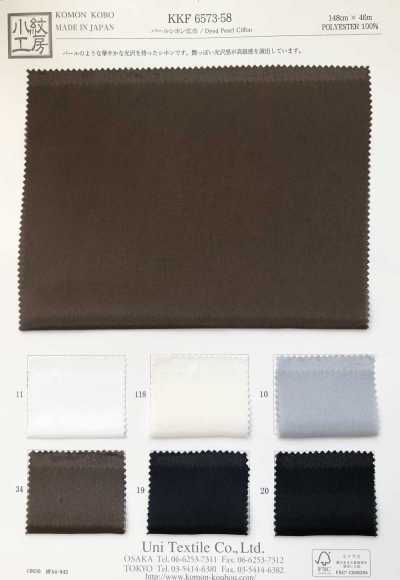
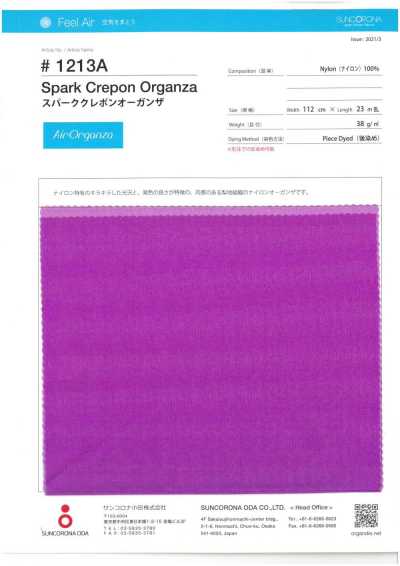
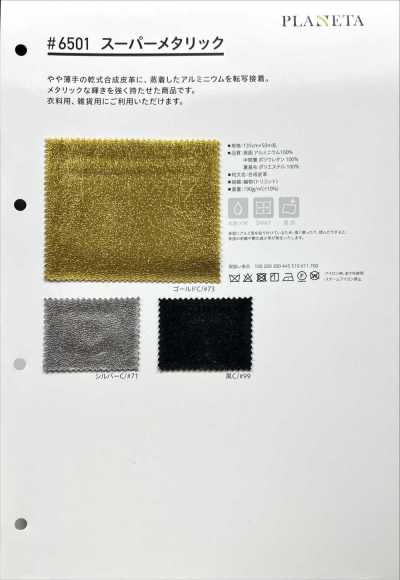
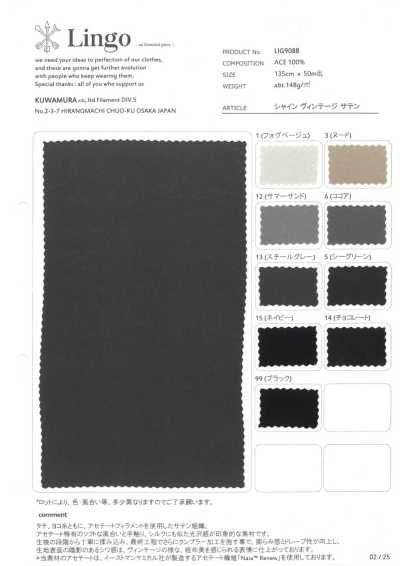
Intentional shine creates a smooth, bright surface feel, and the strength of the sheen changes depending on lighting and viewing angle. Dense woven fabrics, textiles made with filament yarn, and satin weave fabrics are more likely to show sheen depending on the structure and properties of the yarn.
On the other hand, undesirable shine occurs when the nap is flattened, the fiber surface is crushed, or heat and pressure are applied. It is especially noticeable on dark-colored textiles, and may look whitish because of differences in reflected light compared with the surrounding area.
Main applications
Textiles that make use of an even sheen are used for items that call for glamour or a fluid appearance, such as dresses, formalwear, blouses, skirts, and stage costumes. They range widely from lightweight to medium-weight textiles, and their applications vary depending on the structure, material, and thickness of the textile.
Attention to shine caused by friction is important for garments such as slacks, uniforms, jackets, and coats, which repeatedly receive pressure from sitting or bending at the elbows. Even brushed materials for autumn and winter may show changes in the pile as differences in sheen.
Selection and handling precautions
When selecting a sheen as part of the design intent, check the color, strength of the sheen, sheerness, and drape by viewing the swatch from multiple directions. Because the appearance changes depending on the lighting even with the same color, it is important to check the appearance of product samples including accessories and seams.
If you want to avoid shine, use a pressing cloth and match the iron temperature, pressure, and amount of steam to the textile. During sewing as well, strong holding pressure or excessive pressing can create differences in sheen around seam allowances. Follow the care label for washing and cleaning, and handle the item to minimize friction.
Whether there is shrinkage and how much there is depends not on shine itself, but on the material, structure, and finish. Check whether washing is allowed, the shrinkage rate, and any appearance changes caused by pressing for each textile, and it is reassuring to conduct trial sewing and washing tests before mass production.
Differences from similar terms
Luster is a broad term for reflected light seen across the entire textile. Shine is also used with the meaning of luster, but it may indicate a localized, unintended change in gloss. Satin weave is a weave structure that easily produces sheen, and is not a term for shine itself.
Ciré finish and calendering are processes that use heat and pressure to smooth the surface and adjust the sheen and hand. These are intentional finishes, but shine may be used as a process name or as a visual phenomenon that occurs during use.
Frequently asked questions
Can shine be removed by washing?
Shine caused by flattened nap or changes in the fiber surface due to friction or pressing may become less noticeable after washing, but it may not return to its original state. Check the material and care label, and avoid strong brushing or high-temperature treatment.
How can shine caused by ironing be prevented?
The basic approach is to set the iron to a temperature suitable for the textile and press briefly using a pressing cloth. Do not keep pressing down hard, and test in an inconspicuous area first. For brushed textiles and dark-colored textiles in particular, check for surface changes caused by pressure and steam.