Swatch
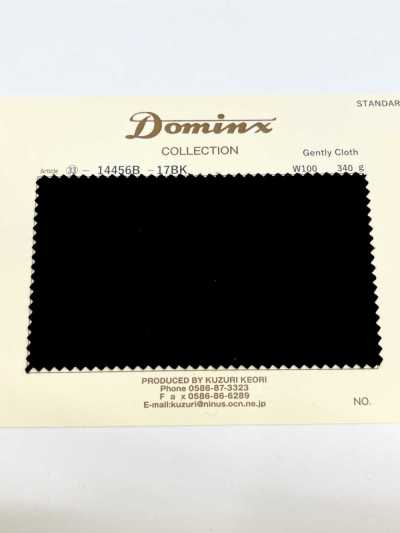
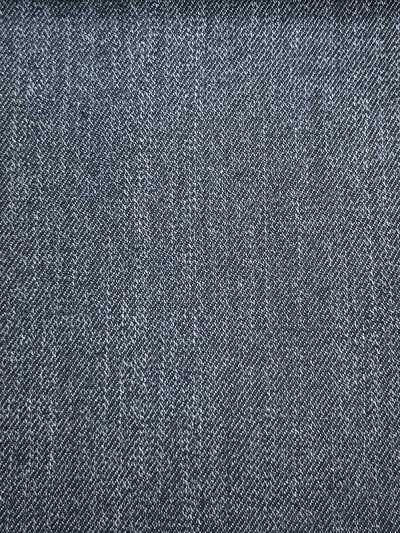
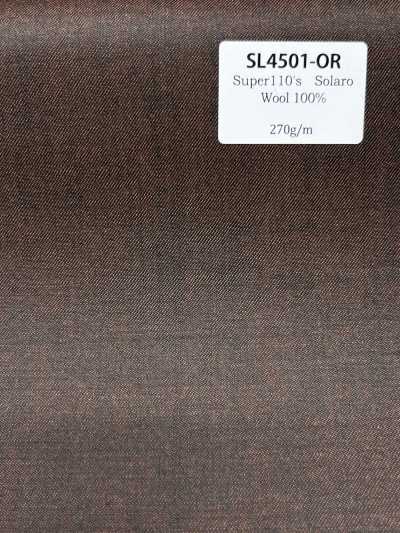
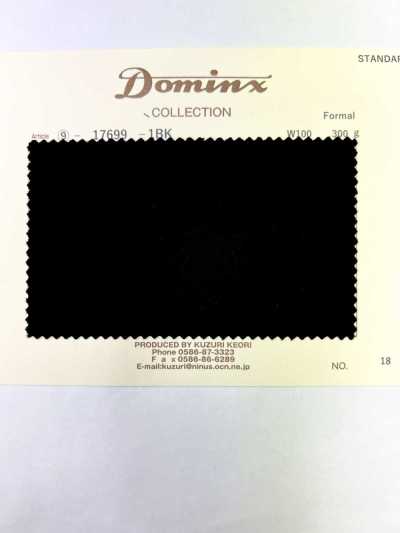
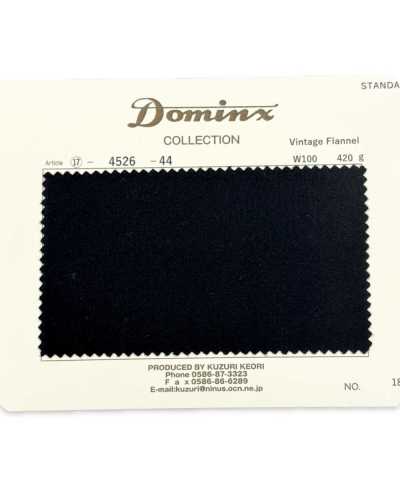
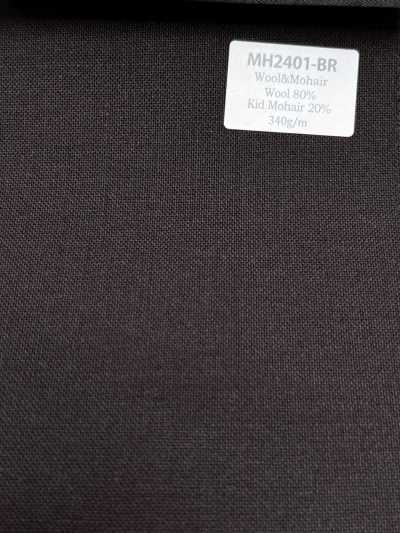
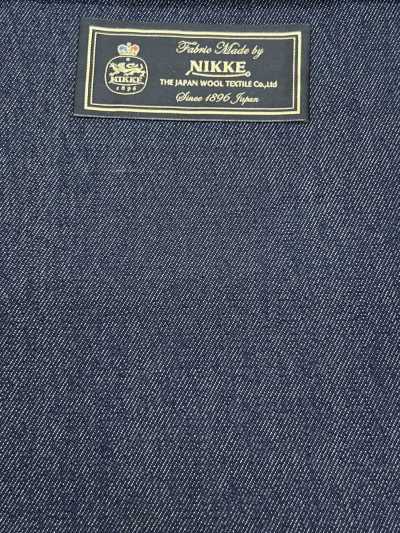
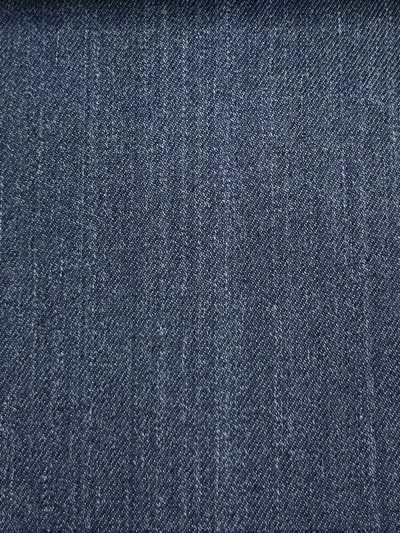
A swatch is a small textile sample used to check the actual color, pattern, weave, thickness, and texture of a textile, and to communicate clearly when selecting or placing orders.
Contents5 sections
Definition and Overview
A swatch is a fabric sample cut from a full roll. It is used to check color tone, luster, sheerness, surface texture, firmness, stretch, and similar qualities by handling the material directly, rather than judging from a photo or screen display alone. It may also refer to a sample affixed to a form or backing sheet.
It is a sample for introducing and selecting fabric types, not fabric used to cut the quantity needed for a product. Also, because the range that can be confirmed depends on the size of the sample and the sampling position, it does not contain the same amount of information as the full roll itself.
Use in Transactions
In the planning and design stage, it is used to compare candidate fabrics and consider compatibility with the design and accessories. Pattern makers and sewing staff use it to check thickness, drape, fabric stretch, and ease of handling during cutting, which helps with specification and sewing-method decisions.
Before negotiations or ordering, the product number, color number, blend ratio, specification, and whether any processing has been applied are shared in connection with the swatch. After the selection is approved, the approved sample is kept on file and referenced as the standard for mass production checks, making it easier to align understanding across departments and with trading partners.
- Comparing material, color, and pattern during design review
- Checking ease of sewing, sheerness, and stretch before sample sewing
- Identifying the product number, color number, and specification of candidate items for ordering
- Comparing appearance and texture with mass-produced goods or delivery lots
Check Points and Sample Size
When checking, look at the front and back, grain, selvage presence, pattern direction, and the direction of brushed or nap pile. Because the color appearance changes depending on the light source, check it under lighting close to the intended use environment if possible. For dark colors, color transfer from rubbing should be checked; for pale colors and thin fabrics, sheerness should also be checked.
There is no standard size for swatches. For checking the color or texture of a solid fabric, a small sample may be sufficient, but for large patterns, borders, prints, pile, quilting, and similar materials, a size that allows one full pattern unit or the characteristics of the structure to be read is preferred. Request the necessary dimensions in advance according to the intended use.
Performance cannot be determined from a swatch alone. Blend ratio, fabric width, fabric weight, shrinkage rate, colorfastness, and processing conditions should be confirmed separately through specifications, test results, or information from the supplier. If a larger quantity is needed or a sewing test will be performed, arrange a larger sample.
Differences from Sample Rolls and Full Rolls, and Cautions
A sample roll often refers to fabric prepared in a longer length than a swatch and is also used for prototyping and sewing tests. A full roll is the roll-shaped fabric used for sales and production. Because naming conventions and available dimensions differ by supplier, it is important to clearly communicate the required purpose and dimensions.
The color and texture of a swatch may differ slightly from mass-produced goods depending on the production time, dye lot, and processing conditions. For an approved sample, record the product number, color number, receipt date, supplier, and checker, and share whether the approval applies only to the fabric itself or also includes the combination with processing, color, and accessories.
With patterned materials, using only the pattern position shown on the swatch as the basis can lead to misunderstandings. Check the pattern repeat, pattern direction, whether pattern matching is required, and the direction of use during cutting. For stretch fabric, the impression changes depending on the direction and strength of the pull applied to the sample, so confirm the specifications numerically if needed.
Frequently Asked Questions
How should swatches and sample rolls be used differently?
A swatch is a small sample mainly used to compare and select color, pattern, structure, and texture. A sample roll generally refers to a larger piece of fabric for confirmation and is also used for cutting prototypes and sewing tests. Communicating the required purpose, necessary dimensions, and items to be checked helps prevent misunderstandings.
Is it okay to approve mass-production color from a swatch?
Keeping it as a basis for acceptance decisions is useful, but a swatch alone cannot guarantee color differences or performance in mass production. Especially when strict color control is required, specify the product number, color number, and lot to be approved, and use a separate verification process before and after mass production.
What should I tell them when requesting a swatch?
In addition to the desired product number and color number, communicate the intended use, required number of pieces, approximate size needed, and purpose of the check. For patterned materials, specify that one full pattern unit must be visible; for sewing tests, specify the required length. If comparing candidates, requesting them under the same conditions makes the decision easier.