Full Lining
Full lining is a construction in which the inside of a garment, such as the body and sleeves, is broadly covered with lining, and it is used to improve slip for putting on and taking off, protect the outer fabric, and create a neat appearance.
Contents6 sections
Definition and Overview
Full lining is a tailoring method in which the inside of the outer fabric is covered almost entirely with lining in items such as jackets, coats, and dresses. Because lining is generally attached not only to the body but also to the sleeves, its structure and wearing comfort differ from those of unlined one-piece construction.
A margin is provided at the hem and facing areas to accommodate the movement of the outer fabric. Full lining is not the name of the lining itself, but rather a tailoring term that indicates the area over which lining is used.
Areas Used and Role
The main areas are the front body, back body, side body, and sleeves. By placing lining between the outer fabric and the body or inner layers, friction is reduced and it becomes easier to put on and take off garments and move the sleeves. It also covers seam allowances and interfacings from the inside, helping to neaten the interior.
When the outer fabric is a material that tends to fuzz, such as wool, a loosely woven material, or a light-colored or thin material that is likely to be seen through from the inside, full lining is a construction that makes it easier to neaten the interior appearance. However, adding lining changes the weight and warmth retention of the garment.
Materials and Types
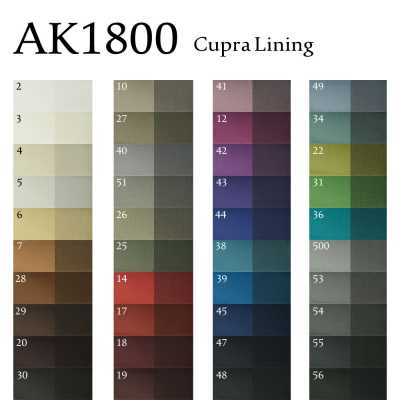
Lining used for full lining includes polyester, Cupro, rayon, and nylon, and knit lining is also used in addition to woven fabrics. Smooth woven fabrics make it easier to achieve slip, while knit lining is considered for garments that require stretch.
The lining material and structure are chosen according to the characteristics of the outer fabric and the product application. If static electricity is a concern, antistatic performance is confirmed; for light-colored outer fabrics, opacity is checked; and for applications with a lot of movement, stretch is considered.
- Woven lining: used when slip and shape stability are prioritized.
- Knit lining: used when the lining needs to follow the stretch of the outer fabric.
- Functional lining: selected for purposes such as antistatic performance, see-through prevention, and stretch.
How to Choose and Points to Note
Compatibility with the outer fabric is checked by matching color, thickness, drape, slip, and the direction of stretch. If the lining is heavier than the outer fabric, it can affect the silhouette, and if slip is insufficient, it may cling to inner layers. For light-colored or thin outer fabrics, the color of the lining must also be checked for show-through.
If a non-stretch lining is combined with stretch outer fabric, it may interfere with the stretch of the outer fabric when worn. With the outer fabric and lining layered together, test elongation, recovery, and any pulling near the seams, and if necessary consider stretch lining or partial extra ease.
Sewing Considerations and Differences from Similar Terms
In full lining, it is important to properly manage the dimensional difference between the outer fabric and the lining, as well as the tension when they are sewn together. If the lining does not have the necessary ease, it can pull on the outer fabric and cause the hem to pucker. The hemming at the cuffs and hem, the location of the opening for turning, and the finishing of seam allowances should also be specified clearly in the specification sheet.
Partial back lining is a construction in which the lining area is omitted except for the upper back in jackets and similar items. Body lining refers to the lining for the body section, sleeve lining refers to the lining for the sleeve section, and knee lining refers to the lining used around the knees of pants. In contrast, full lining specifies the lining range for the garment as a whole.
Frequently Asked Questions
How do you choose between full lining and partial back lining?
Full lining broadly covers the body through the sleeves, making it easier to neaten the interior appearance and improving slip when putting on and taking off. Partial back lining omits the lining in the upper back area and is chosen for jackets and similar items when lightness and breathability are a consideration. The decision is based on the application, outer fabric, wearing season, and desired interior appearance.
What should be noted when applying full lining to stretch fabric?
If only the outer fabric stretches and the lining does not, the lining may pull during arm and back movement, which can lead to seam puckering and reduced comfort. Check the stretch with the outer fabric and lining layered together, and consider using stretch lining or adjusting the pattern and lining ease as needed.