Body Lining
Body lining is the lining attached to the inside of the bodice of garments such as jackets, coats, and dresses. It is used to improve slip when putting the garment on and taking it off, protect the outer fabric, and enhance comfort and the finished appearance.
Contents6 sections
Definition and Overview
Body lining is the lining used for the bodice section that covers the torso of a garment. It is placed on the inside of the front and back bodice pieces, creating a layer between the outer fabric and the underwear or undergarments. It is often seen in jackets, coats, dresses, and similar items, and the area where it is added depends on the garment design and construction.
It differs in the area of use from sleeve lining, which is used inside the sleeves, and knee lining, which is used around the knees of pants. A construction that broadly covers the inside of a garment with lining, including the body lining, is called full lining, while a construction that leaves out part of the back is called half-lined back.
Areas of Use and Role
Body lining covers seam allowances and interlining on the inside of the outer fabric, improving the appearance of the inside. It also reduces direct friction between the outer fabric and underwear or inner layers, and affects ease of putting the garment on and taking it off, as well as ease of movement. On outer fabrics that tend to fuzz, it is also used to reduce friction on the inside.
With thin or light-colored outer fabrics, body lining affects sheerness and how the color appears. On the other hand, adding lining increases the weight and warmth of the garment compared with an unlined construction, so the wearing season, intended use, and desired lightness must be balanced.
Materials and Types
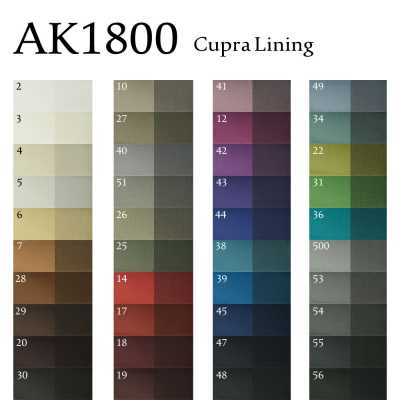
For body lining, woven fabrics such as Cupro, rayon, and polyester are commonly used because they provide good slip and drape. Not only the material, but also the weave structure such as plain weave, twill, and satin weave, as well as yarn thickness, density, and surface finishing, affect slip, strength, luster, and breathability.
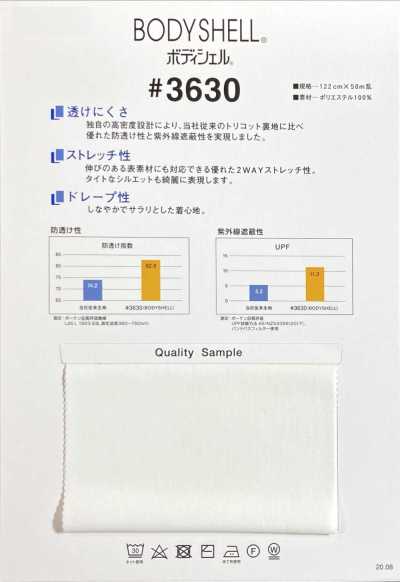
For garments with large movement or outer fabrics with stretch, a stretch lining or knit lining may be selected. For applications where static electricity is a concern, a lining with anti-static performance is considered, and for light-colored or thin outer fabrics, a lining that helps reduce sheerness is considered.
- Cupro/rayon types: used when softness and moisture absorption and release are important.
- Polyester types: used when ease of handling, strength, and functionality are important.
- Stretch lining: used when the lining needs to follow the outer fabric or wearing movement.
How to Choose and Points of Caution
Compatibility with the outer fabric is determined by checking color, thickness, slip, stretch, and sheerness with an actual sample. If the lining is too stiff compared with the outer fabric, it may show through the surface or feel tight when worn. Conversely, if the lining is too thin, seam allowances and pocket bags may show through, or the inner durability may be insufficient.
When a non-stretch body lining is combined with a stretch outer fabric, it may restrict movement around the back width or shoulders. Check the stretch direction of both the outer fabric and the lining, and if necessary, secure ease in the pattern. For light-colored outer fabrics, it is important to check not only the color of the body lining but also the way it shows through, including overlapping seam allowances.
Sewing Notes
Body lining is often sewn with a little extra ease compared with the outer fabric, and this ease is called kise. If the kise is insufficient, the lining may be pulled during wear, distorting the silhouette of the outer fabric or placing stress on the seams.
The outer fabric and lining are cut with the grain aligned, and differences in shrinkage and handling are also checked in advance. Because slippery lining is prone to shifting during sewing, sewing conditions and presser foot settings need to be adjusted. For fabrics where seam rupture or seam slippage is a concern, seam strength is confirmed through prototyping.
Frequently Asked Questions
Should the same lining be used for body lining and sleeve lining?
The same material may be used, but it is not necessarily required to be identical. Since sleeve lining is especially required to provide slip when putting the arm through and ease of arm movement, it may be combined with a lining that has different slip or stretch characteristics from the body lining. Color tone, thickness, and compatibility during sewing are checked as a whole.
What should be considered when adding body lining to a stretch outer fabric?
If only the outer fabric stretches and the body lining does not, the lining may restrict movement and lead to stress on the seams or a tight feeling. Check the stretch and stretch direction of the lining, and choose a stretch lining if necessary. Ease in the pattern and kise should also be checked in actual wearing movement.