Circular Interlock Knitting
Circular interlock knitting is a representative weft-knit double-knit textile knitted on two needle beds, with a smooth appearance on both the front and back sides that are almost the same.
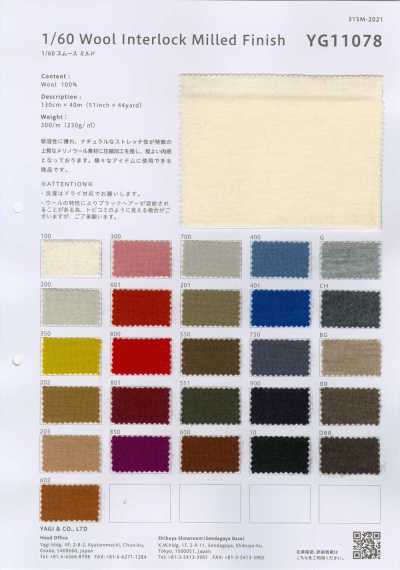
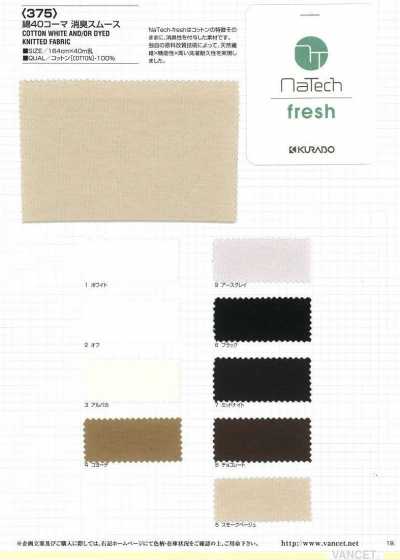
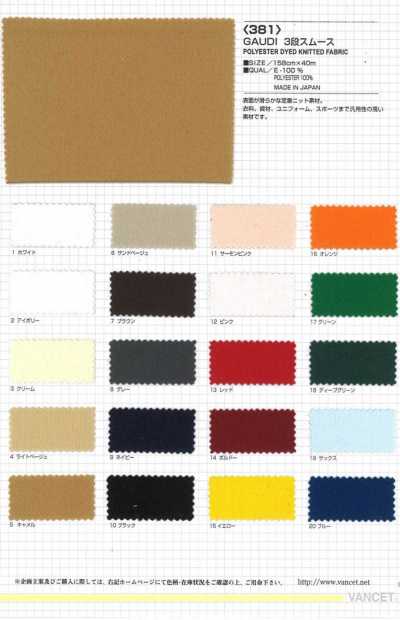
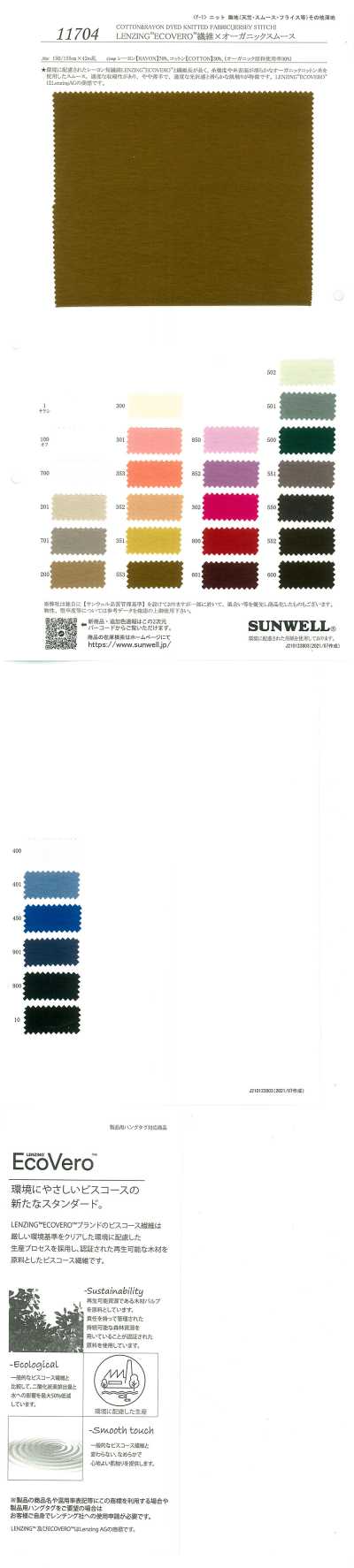
Contents6 sections
Definition and Overview
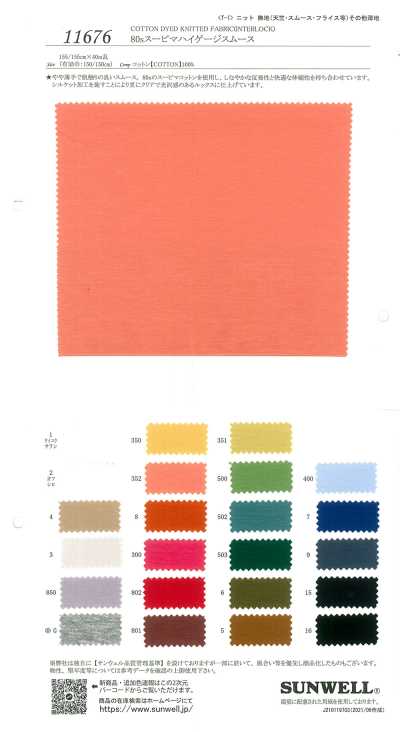
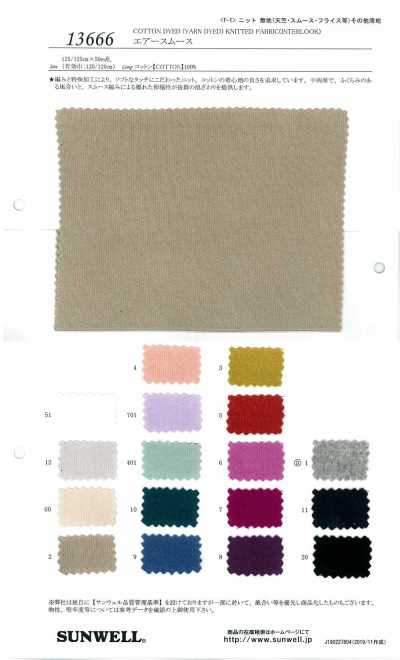
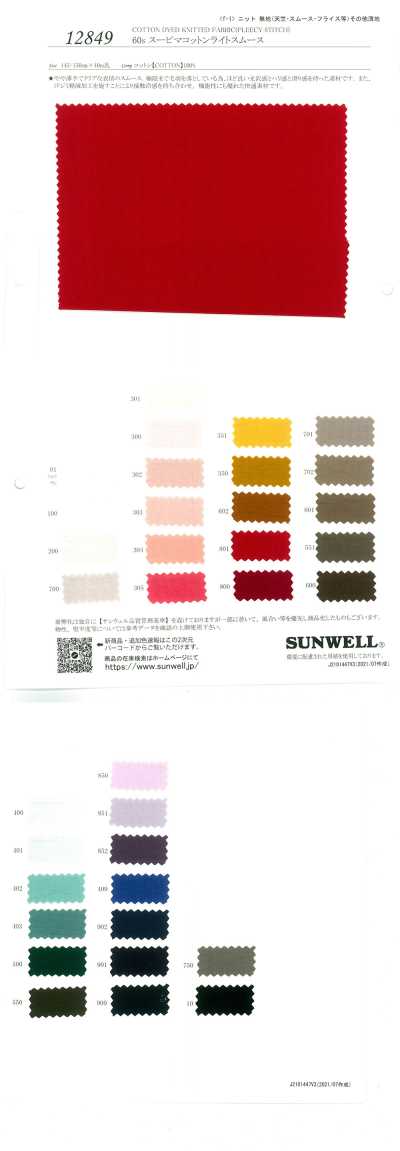
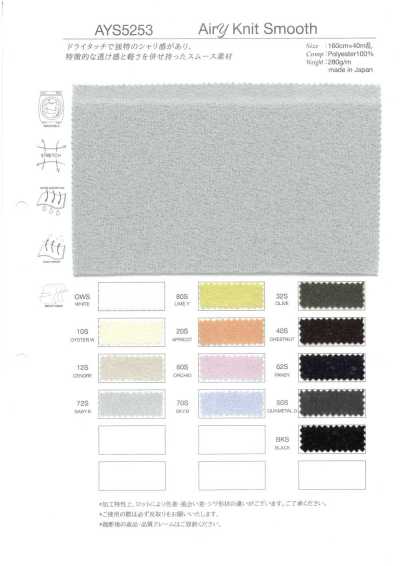
Circular interlock knitting is a weft-knit structure commonly also called interlock. It is a double-knit with the same appearance on the front and back, and its characteristic is that it tends to provide more thickness and stability than single-layer jersey.
As a term, “circular interlock knitting” basically refers to the structure, but thickness, firmness, and stretch vary greatly depending on the material, yarn thickness, stitch density, and finishing.
Features
The surface is relatively smooth, and because there is little difference between the front and back, it is a textile that tends to look neat when made up. It has a moderate thickness, is less sheer than thin jersey, and tends not to curl at the edges.
It stretches mainly in the horizontal direction, but does not always stretch as much as circular rib. In addition to stretch from the knit structure, rebound properties also change depending on whether polyurethane is blended in.
- Some textiles have nearly the same appearance on both sides and are easy to use reversibly.
- Because it is a knit fabric, it has stretch, unlike woven fabrics.
- Thicker types make it easier to achieve warmth and shape retention.
Main Applications
Taking advantage of its pleasant hand feel and manageable thickness, it is used for T-shirts, cut-and-sew tops, polo shirts, dresses, skirts, and pants. When made mainly from cotton, it is also used for innerwear, baby and kids' wear, and nightwear.
Depending on the yarn use and finishing, it can also suit refined cut-and-sew items, uniforms, and sports applications. Wool blends and brushed products may be used for autumn and winter tops and bottoms.
Selection and Handling Notes
Depending on the application, check the composition, fabric weight, thickness, stretch rate, and recovery. For items that follow the body, check horizontal stretch and rebound; for items that need to hold their shape, it is a good idea to check whether the stitch density is tight and whether the fabric has firmness.
Because it is a knit fabric, it may stretch in the length direction or wave during cutting and sewing. Align the grain line before cutting, and adjust differential feed and stretch-compatible sewing methods to suit the textile. To prevent seam failure, also check the stretch of the yarn, needle, and stitches.
The degree of shrinkage, distortion, and color fading caused by washing varies depending on the composition and finishing. Before mass production, it is necessary to conduct washing tests, set patterns with shrinkage allowances in mind, and consider care methods in line with the care label.
Differences from Similar Terms
Jersey is a representative single-knit structure, with different appearances on the front and back, and it tends to curl at the edges. Circular interlock knitting is a double-knit, so it is generally thicker than jersey and tends to have a more stable appearance.
Circular rib is also a type of double-knit, but it has visible ribbed ridges and stretches well in the horizontal direction. Circular interlock knitting has a smoother surface appearance and is often handled as a textile with less stretch than circular rib. Ponte is sometimes used to describe a look similar to circular interlock knitting, but depending on the yarn use and structure design, it may refer to a knit fabric with greater thickness and firmness.
Frequently Asked Questions
Is circular interlock knitting suitable for summer?
Whether circular interlock knitting is suitable for summer depends on the composition, fabric weight, yarn thickness, and finishing. Thin, absorbent types can be used in spring and summer, but because they generally tend to be thicker than jersey, thicker types are more suitable for autumn and winter or for wear in air-conditioned environments.
Which stretches more, circular interlock knitting or circular rib?
Generally, circular rib, which is a rib structure, stretches better in the horizontal direction. Circular interlock knitting also stretches, but it is a structure that tends to have a smoother surface and better stability. However, the actual stretch varies depending on the stitch density and polyurethane blend ratio, so checking the actual material is necessary.