Chiffon
Chiffon is a woven fabric made with tightly twisted threads and woven to be thin and sheer, with a light, soft hand and a subtle textured surface.
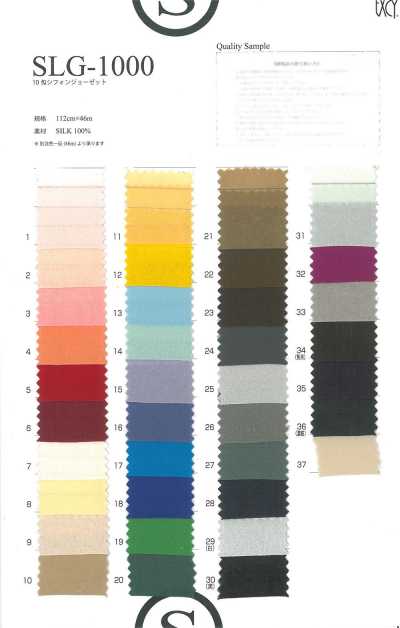
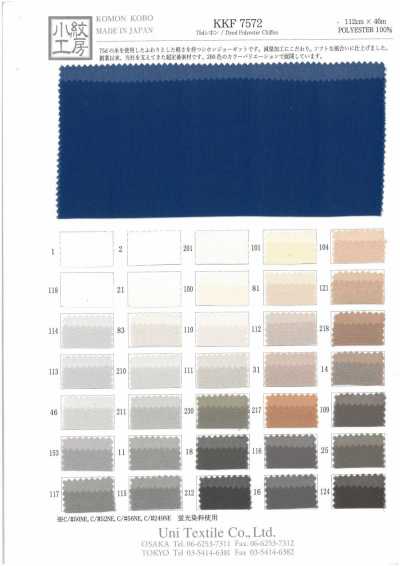
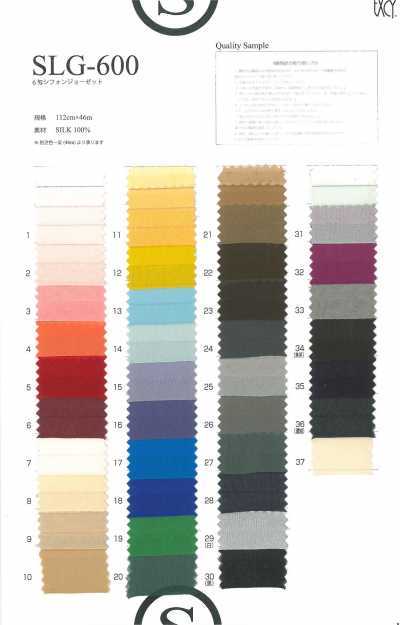
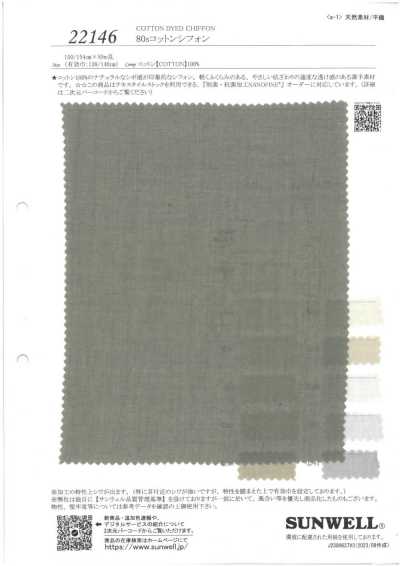
Contents6 sections
Definition and Overview
Chiffon is a thin woven fabric that is generally made by plain weaving fine yarns with strong twist. It is characterized by fine surface texture from the yarn twist, a light airy feel, a soft sheer appearance, and supple drape that follows movement.
It is made not only from silk, but also from polyester, nylon, rayon, and other materials. Even within chiffon, the look and feel can vary greatly depending on the fiber type, yarn thickness, density, dyeing, and finishing, affecting luster, transparency, firmness, and drape.
Features
It is thin and lightweight, and does not easily become bulky when layered. Because it moves softly with motion, it is suitable for designs that make use of gathers, flares, and drape. Lighter colors are especially sheer, and the layered appearance of colors can also be enjoyed.
The fine surface texture created by strong-twist yarns produces a look different from smooth, highly lustrous thin fabrics. On the other hand, depending on the weave density and material, it can snag easily and shift during sewing, so delicate handling is necessary.
- Silk versions tend to have an elegant luster and a soft hand.
- Polyester versions are relatively easy to handle and tend to offer a wide range of color and pattern expression.
- Sheerness varies depending on color, material, fabric weight, and the fabric layered underneath.
Main Applications
It is used for blouses, dresses, skirts, and gowns, as well as partial use in sleeves and yokes. Making use of its thinness and lightness, it is suitable for spring and summer clothing, formalwear, and stage costumes.
It is also used with linings or separate fabrics to adjust sheerness, or in gathers and frills to create light volume. It is also used for fashion accessories such as scarves, stoles, and ribbons that show movement and a sheer appearance.
Selection and Handling Notes
Depending on the application, check the material, sheerness, firmness and drape, surface texture, and width. If using it on its own, be sure to check the level of sheerness, and if necessary consider combining it with a lining, camisole, interfacing, or similar materials. Before cutting, also check for grain distortion.
During sewing, the fabric may slip easily, and needle holes or thread pulls may stand out. It is important to choose a thin-fabric needle and fine thread, and to do test stitching. When cutting, stabilize the fabric, and for seam finishes choose a method suited to the final appearance, such as a narrow rolled hem or an overlock machine.
Washing and ironing conditions vary depending on the material and finishing. Avoid friction and snagging, and handle according to the care label. Some synthetic fibers are sensitive to heat, so use a pressing cloth when ironing, and check the temperature on an inconspicuous area first.
Differences from Similar Terms
Georgette is also a thin woven fabric that uses strong-twist yarns like chiffon, but it generally has a more pronounced surface texture than chiffon and may be slightly thicker with more drape. However, the differences can be large depending on the material and design, and the names may overlap.
Organza is similar in that it is a thin sheer woven fabric, but it generally has more firmness and stiffness than chiffon and holds its shape more easily. Chiffon differs in being softer and better suited to expressing flowing drape.
Frequently Asked Questions
Can chiffon be washed at home?
Whether it can be washed depends on the material, such as silk or polyester, the dyeing and finishing, and the product's sewing specifications. Be sure to check the care label. Because it is a delicate fabric, even when it can be washed, it is important to handle it in a way that minimizes friction, snagging, and twisting.
Does chiffon need a lining?
Because chiffon is sheer, linings are often added for dresses and skirts. However, in parts such as sleeves and yokes where the sheer look is used as part of the design, a lining may deliberately not be added. Check the color and appearance by layering the outer fabric and lining.
Are chiffon and georgette the same?
Both are sometimes treated as thin woven fabrics made with strong-twist yarns, but they are not the same. In general, georgette has more distinct surface texture and tends to be thicker than chiffon. However, the differences overlap depending on the material and fabric design, so it is necessary to check the actual fabric.
- Browse Chiffon products
- Products with material "Polyester"
- Products with material "Nylon"
- Products with material "Silk"
- Products with material "Rayon"
- Products for style "For Shirts/blouses"
- Products for style "For Skirts And Dresses"
- Products for style "For Formal Wear"
- Products for style "For Costumes/dresses"
- Browse Textile products