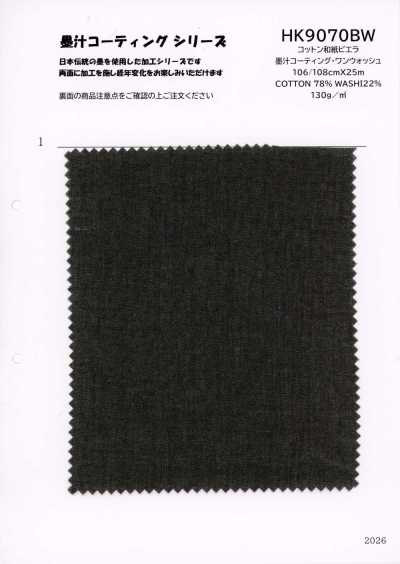
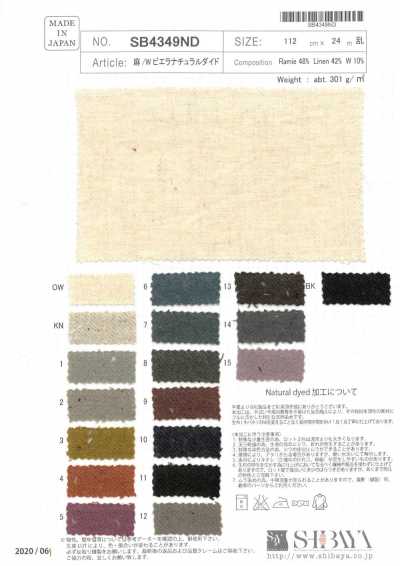
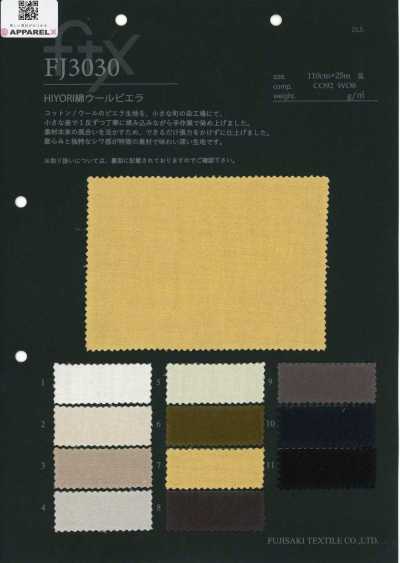
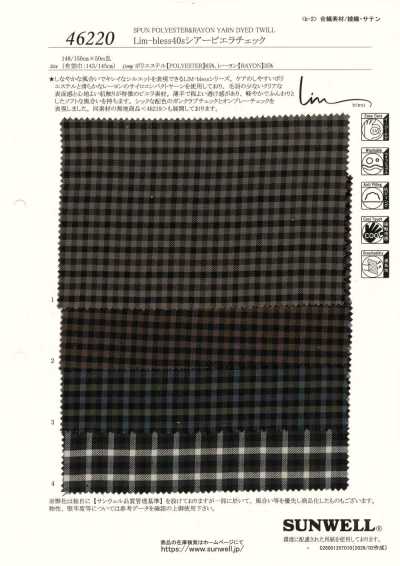
Viyella
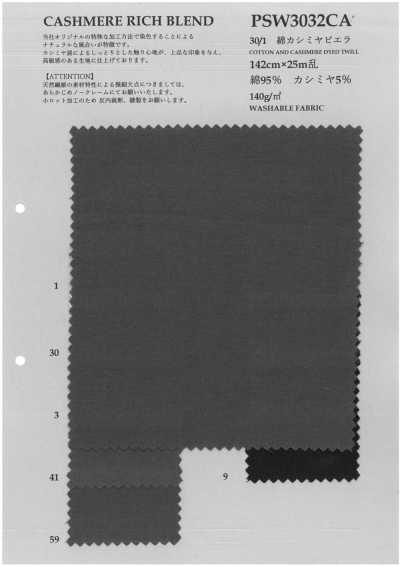
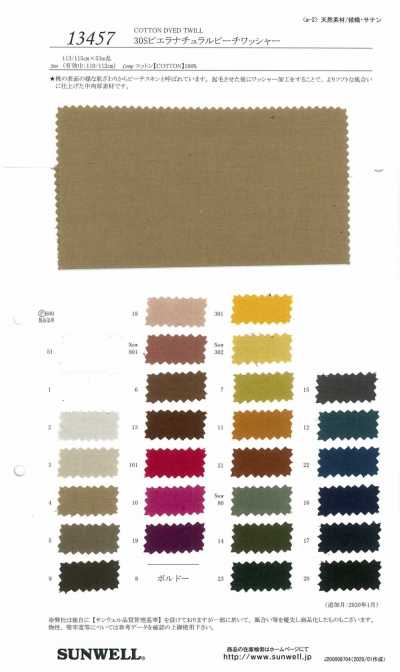
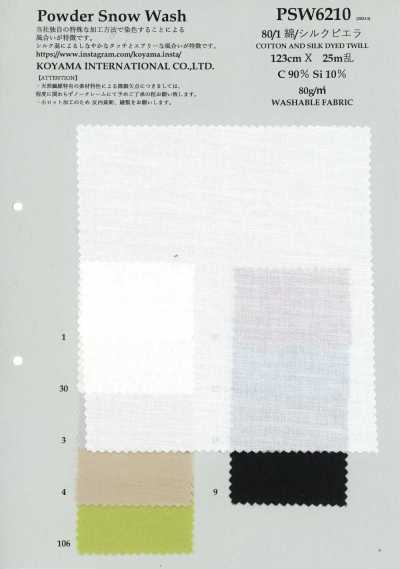
Viyella is generally a textile, mainly used for shirting, that is made by brushing a twill or similar weave to give it a soft touch and gentle warmth.
Contents6 sections
Definition and Overview
Viyella is a woven fabric that is lightly brushed on the surface and finished for a soft feel. It was once a name often used for cotton-and-wool blended or union fabrics, but today it is also used for textiles with different material compositions, such as cotton and polyester blends.
Features
The fine fuzz created by brushing traps air, giving it a warmer feel than ordinary shirting. Its surface has only a modest sheen, and it is characterized by a calm appearance with a slightly rounded texture.
Plain weave or twill weave is often seen, but the term Viyella alone does not identify the structure or blend ratio. Depending on thickness, fabric weight, brushing strength, and material, softness, heat retention, and durability vary.
Main Applications
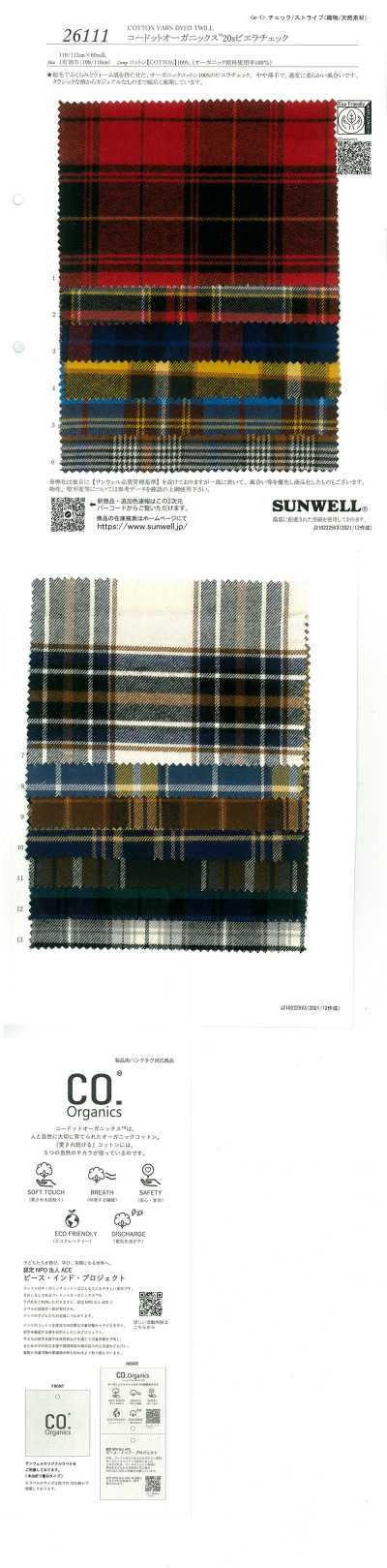
It is used for autumn and winter shirts, blouses, dresses, skirts, pajamas, and similar items. It pairs well with checks and yarn-dyed patterns, and is incorporated into casual to natural-looking apparel.
Thinner types are suited to shirts and blouses, while thicker, denser types are suited to overshirts and lightweight apparel. For the intended use, it is important to check sheerness, firmness, drape, and the nap direction of the brushed surface on the actual material.
How to Choose and Handling Precautions
When selecting, check the blend ratio and fabric weight, as well as whether the brushing is one-sided or both-sided, the degree of fuzzing, and the texture after washing. Since varieties containing cotton or wool may shrink during washing or steaming, carry out a shrinkage test in advance and consider setting or hot-water treatment if necessary.
When cutting, the color or shade may appear different depending on the nap direction. It is basic practice to align the grainline and nap direction for each piece and cut in the same direction. In sewing, pay attention to differences in feeding caused by thickness and fuzz, and adjust thread tension and presser foot pressure with test stitching.
Washing methods should follow the fabric blend ratio and finishing. Strong friction may cause fuzzing or a disturbed nap, so products need care in line with the care label, such as washing inside out and avoiding vigorous rubbing.
Differences from Similar Terms
Flannel is also a woven fabric with warmth created by brushing, but Viyella may refer to a relatively light type handled as shirting. However, the names can overlap in practice depending on material, place of production, or common market usage, so thickness and structure cannot be judged by the name alone.
Brushing is the name of a finishing process that raises fuzz on the fabric surface, and it is distinct from Viyella, which refers to the fabric type itself. "Brushed Viyella" is used in distribution as an expression indicating that Viyella-type textile has a brushed feel.
Frequently Asked Questions
Is Viyella the same textile as flannel?
They are sometimes treated as having the same meaning, but not strictly in every case. Both are used as warm woven fabrics with a brushed feel, but Viyella may refer to something relatively light as shirting. Please check the blend ratio, structure, fabric weight, and brushing condition individually.
Does Viyella shrink when washed?
The degree of shrinkage varies depending on the blend ratio of cotton, wool, and other materials, weaving density, and finishing. Varieties containing natural fibers may change in size and texture after washing. Before mass production, it is important to carry out washing tests and reflect the shrinkage rate in the pattern and specifications.
What should I watch for when cutting Viyella?
Because the appearance of the brushed surface changes depending on the direction of the nap, all pieces should be laid out in the same direction. This is especially noticeable with dark colors and checks, so control the direction from the spreading stage. For patterned fabrics, also check pattern matching along with the nap direction.