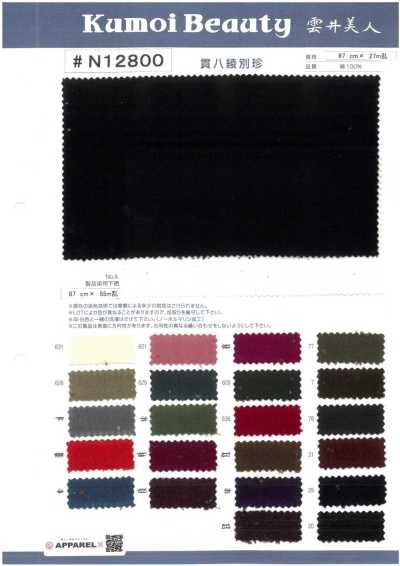
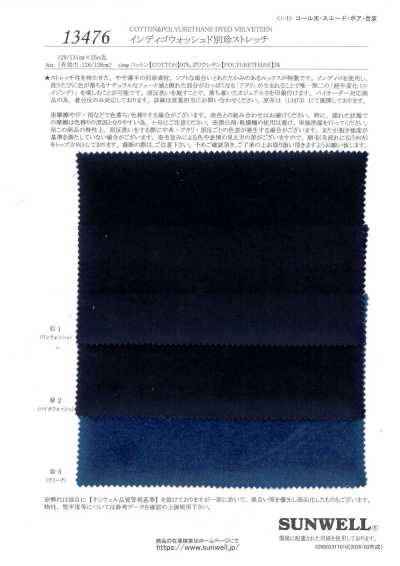
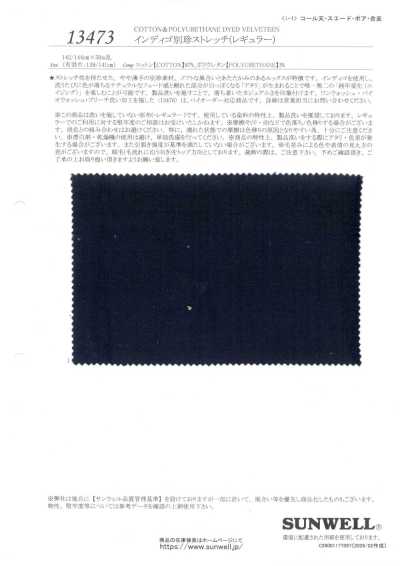
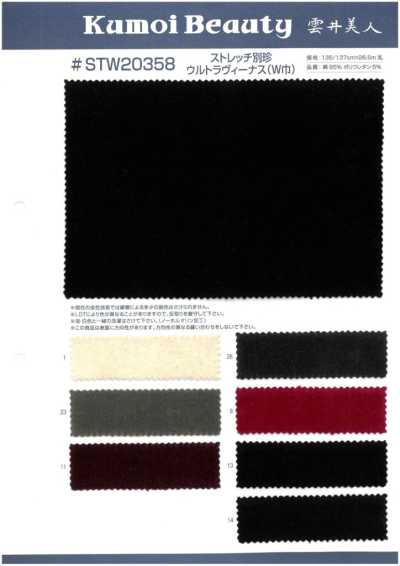
Velveteen
Velveteen is a woven fabric similar to velvet, made mainly from cotton and woven with the weft pile cut on the surface to create short, dense nap.
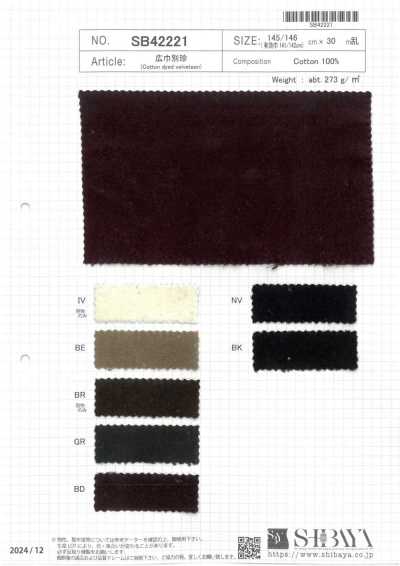
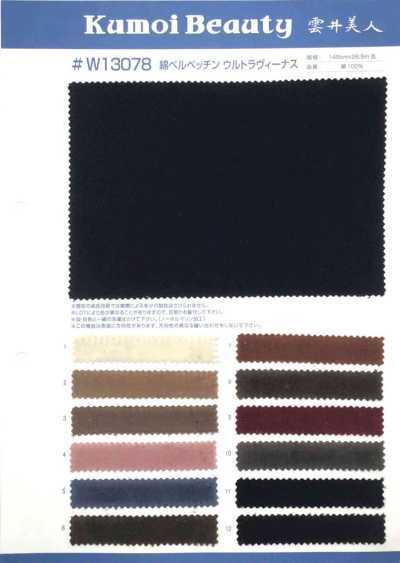
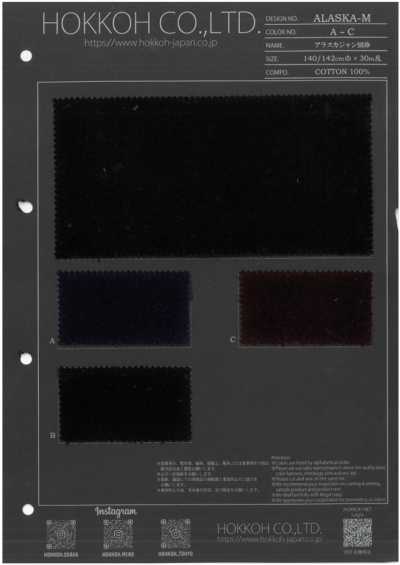
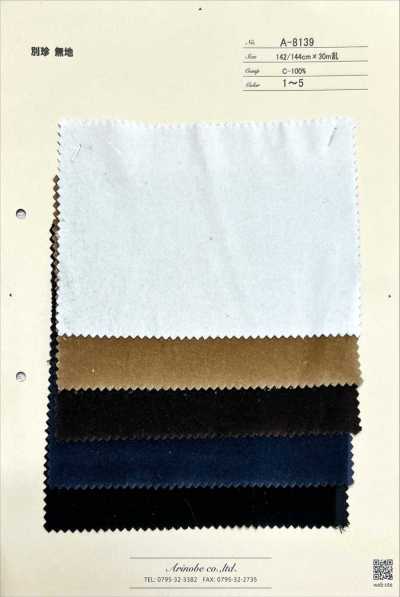
Contents6 sections
Definition and Overview
Velveteen is a pile fabric made by cutting the weft pile woven into the ground structure to create short nap on the surface. In English, it is called velveteen, and in Japan it often refers to fabrics made mainly from cotton, with a calm luster and a warm appearance.
Pile refers to loops or nap standing on the surface of the textile. In velveteen, the pile is cut open, giving it a smooth hand. On the other hand, thickness, firmness, luster, and whether it has stretch vary greatly depending on the composition, pile density, and finishing.
Features
The short, dense nap creates light and dark effects depending on the direction in which it reflects light, giving it a deep appearance. In general, it provides a warmer feel than lightweight woven fabrics and is a material that easily expresses the weightiness and classic impression associated with autumn and winter.
Because the pile has a nap direction, the color may appear different depending on the cutting direction and the viewing angle. When the nap lies flat due to friction or pressure, it may appear as fading or shine. Depending on the intended use, check the nap direction, abrasion resistance, and required strength.
Main Applications
Velveteen is used for jackets, pants, skirts, dresses, children's clothing, costumes, and more. Making use of its warm surface texture, it is used across a wide range of items, from autumn and winter casual wear to items that emphasize decoration.
Thicker, sturdier types are suited to bottoms and jackets, while lighter, softer types are suited to dresses and decorative sections. Because changes in nap direction are easily noticeable at seams and folds, it is important to design the product so that the pile direction is consistent throughout.
- When cutting, in principle, align the nap direction of all pieces in the same direction.
- Estimate fabric consumption with the need for one-way cutting in mind.
- When combining interlining or lining, check thickness and seam slippage in advance.
How to Choose and Handling Precautions
When selecting, check not only the composition but also pile length and density, fabric weight, nap direction, stretch, and washing instructions. Cotton-based velveteen may shrink or change texture when washed, so conduct fabric and sewing tests before mass production, and consider pre-washing if necessary.
Follow the product's washing instructions. Strong friction, prolonged pressure, and high-temperature pressing may damage the pile or cause shine. During sewing, take care with pile shedding from cut edges, misalignment between pieces, and pile crushing caused by feeding.
- When ironing, use a pressing cloth and avoid pressing the pile down too firmly.
- If seam slippage is likely, consider basting and appropriate presser foot and feed settings.
- For dark colors, prior confirmation is needed regarding color transfer and lint adhesion caused by friction.
Differences from Similar Terms
Velvet is used as a general term for pile fabrics, and may also refer to glossy fabrics made from silk, rayon, synthetic fibers, and more. Velveteen is generally cotton-based and is distinguished by a more subdued luster and a more casual appearance than velvet.
Corduroy is also a woven fabric with cut weft pile, but it differs from velveteen in that it has vertical ribs called wales. Velveteen has no wales, and the entire surface is covered with a uniform short nap. Velour is often made on a knitted base, and its structure differs from velveteen, which is a woven fabric.
Frequently Asked Questions
What is the difference between velveteen and corduroy?
Does velveteen shrink when washed?
Cotton-based velveteen may shrink or change texture when washed. The degree of shrinkage varies depending on the composition, density, finishing, and washing conditions, so it is important to check shrinkage data for the roll and test it before turning it into a product.
What should you pay attention to when cutting and sewing velveteen?
Because the color changes depending on the nap direction, align the cutting direction of all pieces. Also, since pile surfaces can be slippery and cause seam slippage, make adjustments such as basting and sewing conditions, and avoid crushing the nap with pressing.