Round Elastic Band
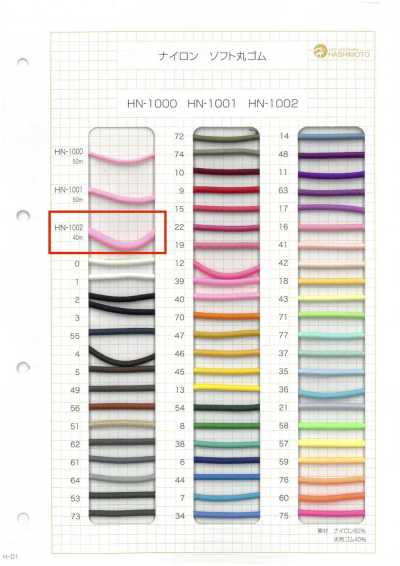
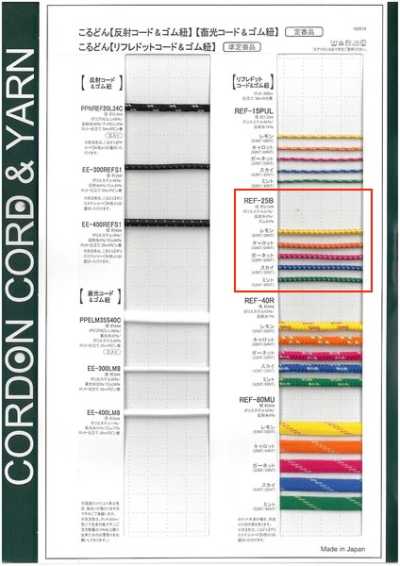
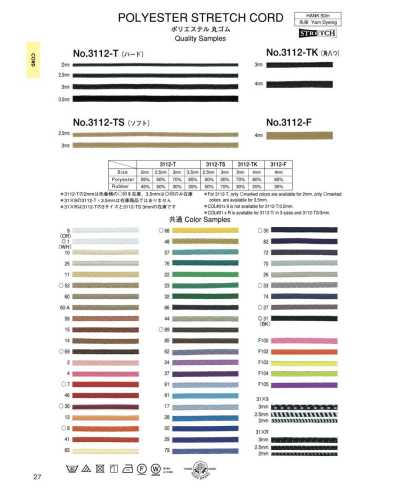
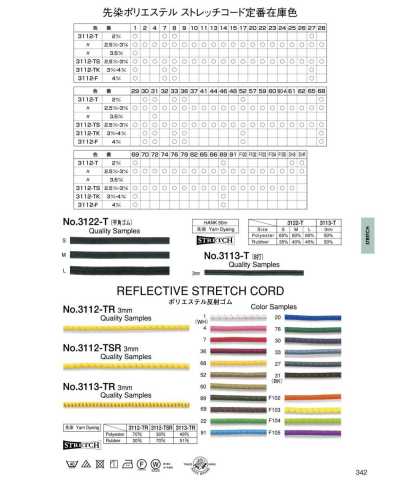
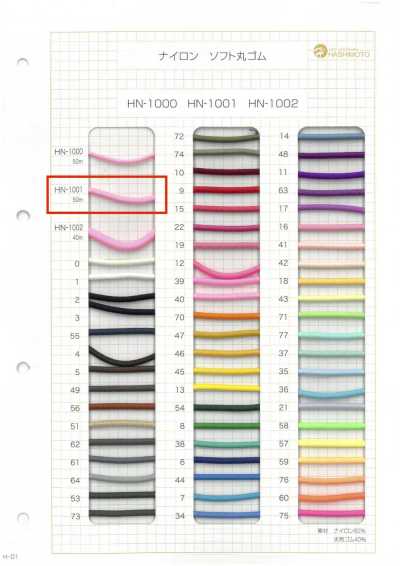
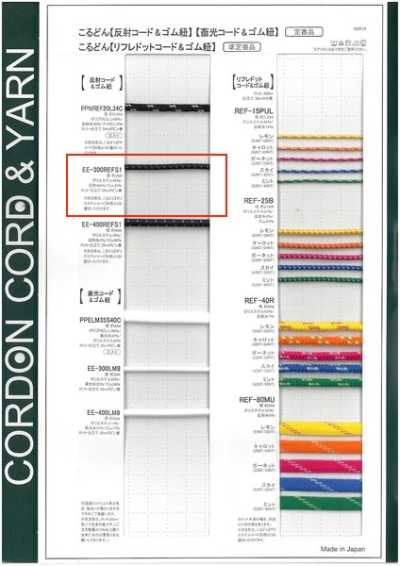
Round elastic cord is a narrow elastic cord with a round cross-section, made by covering an elastic core material with yarn, and used for gathering, cuffs, loops, and other trims.
Contents7 sections
Definition and Overview
Round elastic is a narrow elastic cord-like material with a round cross-section. It is generally made by using elastic yarn or rubber yarn as the core and covering it with textile yarn around the outside. It is easy to pass through narrow openings and is used for its ability to stretch in the direction of pull and return to its original shape.
It is better suited to uses with narrow openings, such as cuff and hem gathers, ear loops for masks and hats, drawstring openings, and loops, rather than uses that support from a surface area like the waist. Depending on the cross-sectional shape, the feel against the skin and how it blends with the fabric also vary.
Materials and Structure
The core may use natural rubber-based materials or polyurethane-based elastic materials, and the outer covering may use yarn such as polyester or nylon. The type, thickness, and number of the core material and covering yarn affect stretch and recovery, durability, and hand feel.
Round elastic is often made as braided elastic, with a typical structure in which multiple yarns are braided to wrap the core in a tubular shape. However, even with a round appearance, the manufacturing method and core composition differ by product, so it is important not to judge weaving, knitting, or braiding by appearance alone.
How Thickness and Stretch Are Expressed
The size of round elastic is generally expressed by diameter rather than by width like flat elastic. In specifications, checking the nominal diameter as well as the color, elongation rate, required degree of recovery, cut length, and finished length helps prevent misunderstandings.
Elongation rate is an indicator of how far the material can stretch relative to its original length. Even with the same diameter, the strength of stretch, load when stretched, and recovery vary depending on the amount of core material and the structure. Prototype testing is performed with the elastic stretched to the actual usage length.
- A thicker diameter does not necessarily mean stronger tightening.
- Check the required stretch and the recovery after repeated stretching separately.
- The finished dimensions are determined by also considering the fabric's stretch and the friction in the opening.
Main Uses and Selection
Round elastic is used for gathered areas such as cuffs, hems, and hood openings, narrow facings and loops, hats, drawstring bags, underwear, and similar items. It can be sewn directly into the fabric or threaded through an elastic casing and fixed at both ends.
When selecting it, confirm the width and thickness of the opening, the required tensile strength, whether it touches the skin, the number of wash cycles, and the sewing method. For lightweight fabrics, choose a thin and soft type; for applications under load, choose one with strength and recovery suitable for the application, and carry out sewing tests before mass production.
Differences from Similar Terms
Flat elastic is a flat, band-like elastic and is suitable for uses that support with width, such as waists and belts. Round elastic has a round cross-section and differs in that it is easier to thread through narrow tunnel fabric or holes. Forcing flat elastic into a narrow opening can cause twisting and make threading difficult.
Corded elastic often refers to a narrow elastic made by lining up multiple fine elastic threads and covering them with textile fibers, and a flat shape is common. Woven elastic, knitted elastic, and braided elastic are categories based on manufacturing method rather than cross-sectional shape. Many round elastics have a braided elastic structure.
Handling and Quality Notes
Elastic may harden, become sticky, crack, or lose recovery over time due to long-term storage, ultraviolet light, heat, humidity, oils, detergents, and similar factors. During storage, avoid direct sunlight and high temperature and humidity, and do not keep it stretched more than necessary.
Shrinkage and recovery after washing vary depending on the core material, covering yarn, sewing conditions, and combination with the fabric. In sewing, if the elastic is stretched too much and the stitches are made too close together, its stretch may be hindered. Perform washing tests and wear tests according to product conditions.
Frequently Asked Questions
How should the thickness of round elastic be selected?
Select it based on the dimensions of the opening, the thickness of the fabric, the required stretch force, and how it feels against the skin. First decide on a diameter that can pass through the opening without difficulty, then check the tightening force and recovery when stretched to the actual usage length. Thickness alone cannot determine strength, so prototype verification is necessary.
Are round elastic and corded elastic the same?
No, they are not the same. Round elastic is mainly a name that indicates a round cross-sectional shape, while corded elastic is often a name that refers to a narrow elastic made by lining up multiple elastic threads and covering them with fibers. Corded elastic is generally flat in shape, and the two are used differently depending on the application and opening.
Does round elastic stretch out permanently after washing?
Depending on the usage conditions and materials, repeated stretching, washing, heat, and ultraviolet light may reduce recovery, making it feel as if it has stretched out permanently. For products that are washed frequently, select them after checking dimensional change, appearance, and tightening feel in a washing test of the finished product.
- Browse Round Elastic Cord products
- Products with material "Rubber"
- Products with material "Polyurethane"
- Products with material "Polyester"
- Products with material "Nylon"
- Products for style "For Pants"
- Products for style "For Skirts And Dresses"
- Products for style "For Innerwear"
- Products for style "For Nightwear"
- Products for style "For Kids"
- Browse Elastic Band products