Buttonhole Elastic
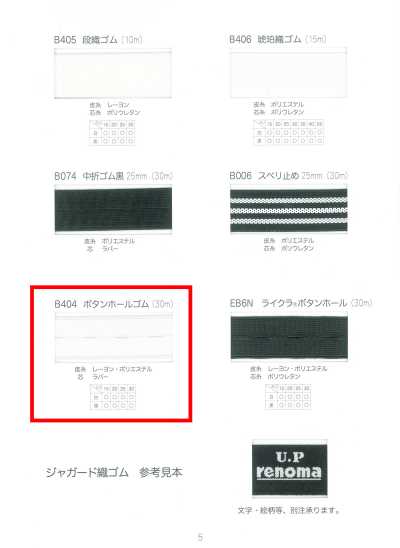
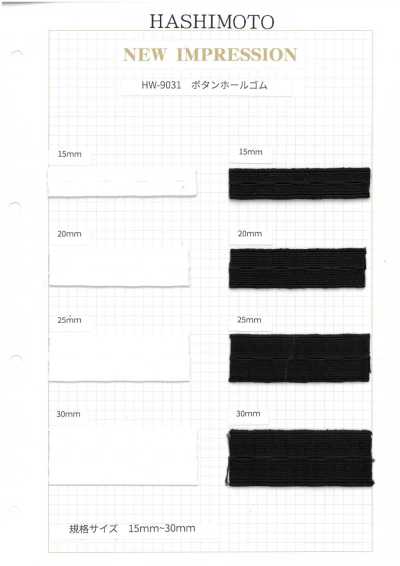
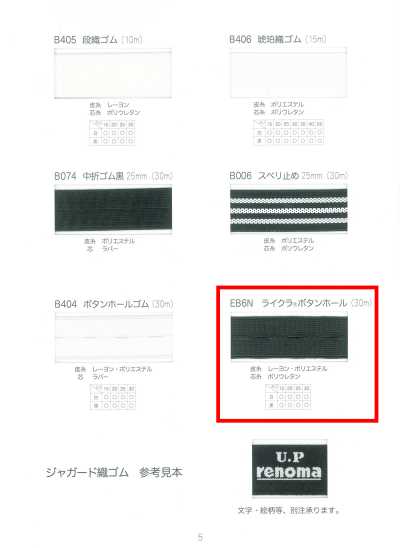
Buttonhole elastic is a flat elastic band with buttonholes arranged along its length, allowing gradual adjustment of waist and other circumferences by fastening buttons into the holes.
Contents6 sections
Definition and Overview
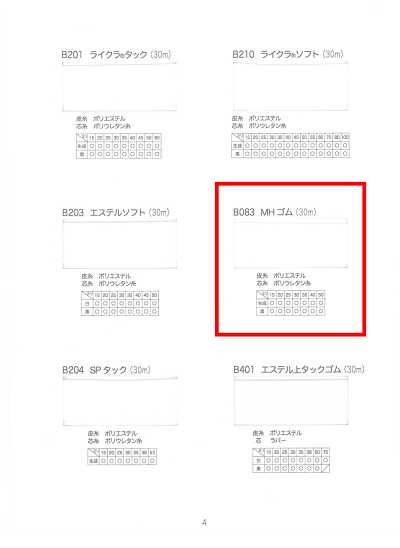
Buttonhole elastic is elastic with buttonhole-shaped holes spaced at regular intervals near the center of the tape. By changing the position of the hole and hooking it onto a button, the circumference can be adjusted step by step even after sewing. It is mainly used for waist size adjustment.
Unlike flat elastic, which simply stretches to provide a fit, its feature is that the amount of adjustment can be managed by the position where it is fastened with a button. It is suitable for specifications that require response to size changes and fit adjustment for each wearer.
Materials and Structure
In many cases, the surface is made with yarn such as polyester, and elastic yarn or polyurethane-based elastic yarn is used inside or within the structure to provide stretch. The thickness, firmness, and stretch behavior vary depending on the type of surface yarn, the thickness of the elastic yarn, and the reinforcement method used for the hole section.
Elastic tapes are made as woven elastic, knitted elastic, or braided elastic. In buttonhole elastic, a woven tape structure is often used in order to stabilize the hole shape and reduce fraying at the ends, but the structure must be checked for each product.
- Woven elastic: Made with a woven structure, it is a structure that tends to have a relatively firm texture.
- Knitted elastic: Made with a knitted structure, it is a structure that tends to be soft and easy to stretch.
- Braided elastic: A structure made by braiding yarn, mainly used for cord-like elastic.
How to Read Width and Stretch
Select the width according to the dimensions of the belt section to be attached, the size of the button, and the required strength. It is important that the width and spacing of the holes match the diameter and thickness of the button used. If the button is too large, it can damage the holes; if it is too small, it can come off easily.
Stretch performance is expressed as elongation rate, or how much longer it becomes when pulled relative to its length with no load. However, even with the same elongation rate, the initial firmness when pulling and the return behavior differ. Make a prototype at the actual use length and check the adjustable range and the pressure felt when worn.
Main Applications and How to Choose
The main application is waist adjustment for children's clothing, maternity wear, uniforms, and similar items. The common specification is to pass it through the inside of a waist belt and hook it onto buttons attached on both sides or on one side. It is used for pants, skirts, dresses, and more.
When selecting it, check the tape width, the hole spacing and shape, compatibility with the button, the required adjustment range, and the strength of the stretch. If it is sewn into the seam allowance, also take the sewing position and stitching method into account to reduce damage to the elastic yarn caused by the sewing needle.
Handling and Precautions
Elastic materials may gradually lose their recovery from stretching due to repeated stretching during wear, heat, ultraviolet light, and the effects of sweat and detergent. For storage, it is important to avoid high temperatures, humidity, and direct sunlight, and not to leave it stretched under strong tension for long periods.
Durability during washing varies depending on the type of surface yarn, elastic yarn, and sewing specification. Before mass production, check attachment and removal with the actual button, shrinkage and recovery after washing, and fraying or tearing around the holes, and handle it in accordance with the washing instructions for the product itself.
Frequently Asked Questions
What is the difference between buttonhole elastic and flat elastic?
Flat elastic is an elastic tape that mainly provides a fit through stretch force. Buttonhole elastic, on the other hand, has continuous holes for hooking buttons, allowing dimensions to be adjusted step by step by changing the fastening hole position. Buttonhole elastic is suitable for waist size adjustment.
How do you choose a button to match buttonhole elastic?
Select a button with a size and thickness that passes smoothly through the hole in the elastic and is not easy to come off during wear. If the button is too large, it places stress around the hole; if it is too small, it can come off easily. It is necessary to combine the elastic and button to be used and check by repeatedly attaching and removing them.
Does buttonhole elastic lose its stretch after washing?
It does not necessarily lose its stretch immediately just from washing, but elastic gradually changes performance due to heat, detergent, friction, repeated stretching, and similar factors. Check the product's washing conditions, and in mass production evaluate recovery after washing tests, the condition of the holes, and the durability of the sewn section.