Hot-water Soaking
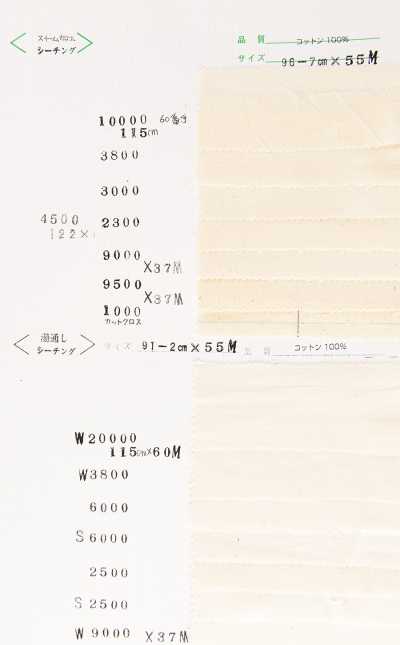
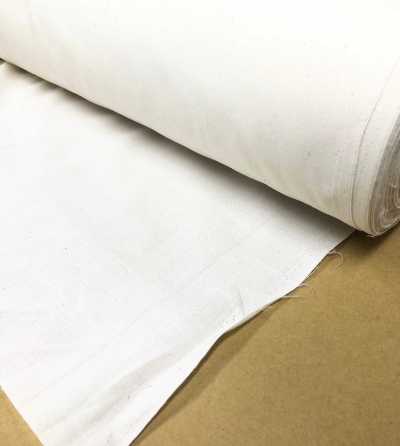
Hot-water soaking is a pretreatment in which textile is passed through hot water before cutting or sewing to check and adjust in advance for shrinkage and changes in texture that may occur during washing.
Contents6 sections
Definition and Overview
Yutoushi is a pre-treatment in which textile is soaked in hot water or passed through hot water to settle the fibers and woven or knitted structure. It is done to bring out the material’s residual shrinkage beforehand and reduce dimensional changes after the product is made.
In textiles containing natural fibers in particular, shrinkage, wrinkling, and changes in surface feel may occur due to moisture and heat. Yutoushi is not a processing method that guarantees the finished result; it is important as a process for understanding how the textile behaves before full production.
Areas Used and Role
Yutoushi is not applied to a specific area; it is usually done on the entire bolt of fabric or the required yardage before cutting. It helps stabilize the overall dimensions of the textile so that the body, sleeves, collar, pockets, and other parts can be cut under the same conditions.
It is considered for garments such as shirts, dresses, and pants, where post-wash dimensions can easily affect comfort. When using fusible interlining or tape, it is necessary to pay attention not only to the outer fabric but also to differences in shrinkage after combining the materials.
Materials and Types
Cellulose-based fibers such as cotton and linen are materials in which shrinkage and changes in surface feel due to yutoushi are easy to confirm. On the other hand, wool, silk, and rayon can change significantly in appearance and dimensions due to heat and moisture, so a method suitable for the material should be checked in advance.
Besides the method of soaking in hot water, there is also a method of washing in hot water and then drying. Compared with water soaking using only water, yutoushi also adds the effect of heat, so it is important to test a sample first to confirm the degree of shrinkage and the condition of the dye before proceeding.
Main Uses
In home sewing, cotton or linen woven fabrics may be hot-water treated before cutting to account for shrinkage from washing after completion. In fashion education toile making and in prototypes using natural fibers, it is also done as a preliminary step to align the grain and dimensions of the textile.
Unlike processing that adds character to a finished product after sewing, such as garment washing, yutoushi mainly aims to confirm shrinkage and pre-shrink the textile at the fabric stage. Even for textiles with shrink-resistant processing, prior confirmation is carried out according to the intended use.
How to Choose, Handle, and Sewing Precautions
Whether yutoushi is necessary is judged based on fiber composition, finishing treatment, care label instructions, and the expected washing method of the product. First, use a small test piece to confirm shrinkage rates in the length and width directions, color fading, wrinkling, skewing, and hand feel, and secure the required yardage before cutting.
After yutoushi, do not wring the textile strongly; align the grain and dry it flat or by an appropriate method. If you press it with an iron after drying and straighten the grain before cutting, it becomes easier to reduce dimensional errors at the time of cutting. For patterns, also check for distortion and color transfer.
- For processed textiles, water repellency and hand feel may change due to yutoushi.
- For products using fusible interlining, pay attention to puckering caused by differences in shrinkage between the outer fabric and the interlining.
- In mass production, consider the possibility that shrinkage rates differ by bolt or by lot.
Frequently Asked Questions
What is the difference between yutoushi and water soaking?
Water soaking is a pre-treatment that mainly uses water to wet the textile and check shrinkage and the state of the dye. Yutoushi adds the effect of temperature, so in general it makes shrinkage and changes in hand feel more likely to appear. Choose according to the material and the expected washing conditions.
Is yutoushi necessary for textiles with shrink-resistant processing?
Even if shrink-resistant processing has been applied, it cannot be judged uniformly that yutoushi is unnecessary. Dimensions and appearance may change depending on the type of processing, the material, and the product’s washing conditions. Before cutting, check the shrinkage rate and appearance with a test piece, and reflect the results in the sewing specifications and pattern if necessary.
Can I cut immediately after yutoushi?
After yutoushi, let the textile dry thoroughly and align the grain before cutting. If you cut while moisture remains, the parts may become misaligned due to dimensional changes after drying. In particular, for checks and stripes, it is important to confirm the pattern alignment and skewing.