Recycled Cotton
Recycled cotton is cotton fiber made by reusing cotton offcuts generated during spinning or cutting, or recovered cotton products, as raw material.
Contents6 sections
Definition and Overview
Recycled cotton is a material made by collecting cotton contained in textile waste, cutting waste, and used products, then reusing it as a fiber raw material. Opening refers to the process of loosening fabric or yarn and returning it to a fibrous state. The source of the raw material, recycling method, and blend ratio vary by textile.
Because fibers tend to become shorter during the reuse process, it is often blended with virgin cotton or polyester to adjust spinnability and textile strength. Recycled cotton is a material name, not a term that indicates a weave, knit structure, or textile name.
Texture and Performance Characteristics
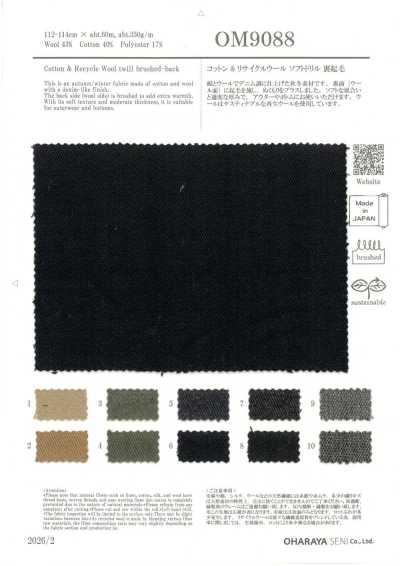
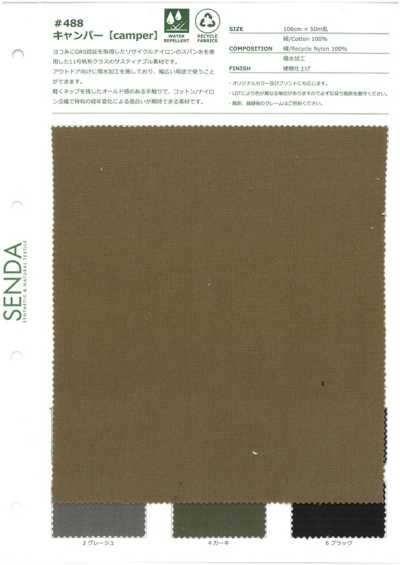
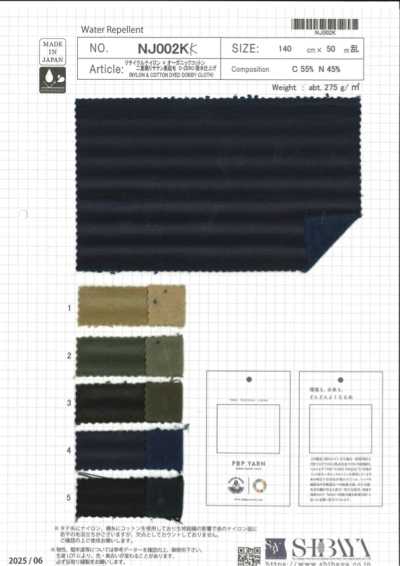
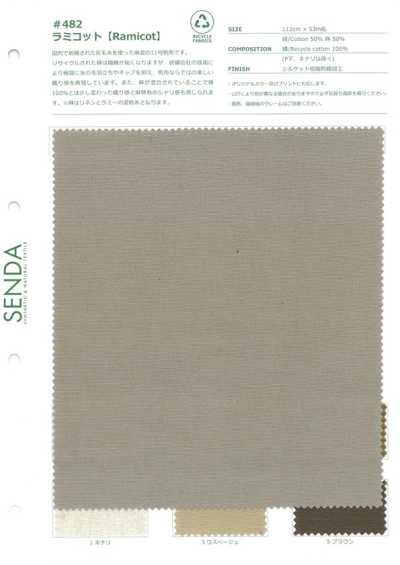
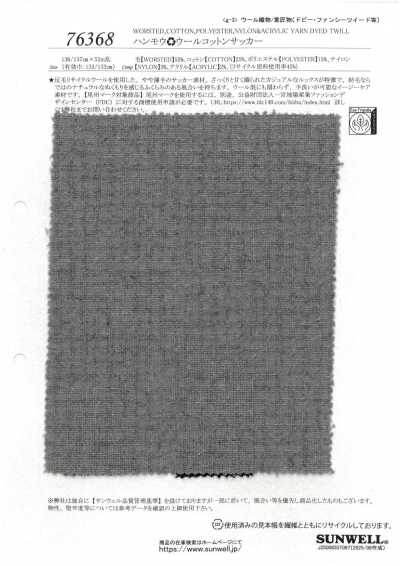
Depending on how the raw material is used, it may have a heathered look, neps, or a slight unevenness in color, making it easy to design a simple yet expressive texture. On the other hand, visual uniformity, whiteness, and the result after dyeing vary depending on the sorting method and blend.
Because fiber length tends to become shorter, it is important to check the blend ratio and spinning method for applications that require fine yarn, high strength, or a smooth surface. Cotton-derived properties such as absorbency can be expected, but strength, fuzz, and pilling depend on the material composition and textile design.
Main Applications
It is used for shirts, cut-and-sew items, sweatshirts, denim, pants, bags, miscellaneous goods, and more. It is developed as textiles with a variety of structures such as plain weave, twill, jersey, and French terry, and is used for items throughout the year by changing the thickness and blended materials.
It works well for planning that aims for a casual look or natural unevenness. It can also be used in products that require a uniform appearance, but it is important to share in advance the acceptance criteria for color variation and neps at the planning, production, and inspection stages.
How to Choose and Handling Precautions
When selecting, check not only the blend ratio of recycled raw material, but also the companion material, fabric weight, structure, color, strength, fuzzing, and dimensional change after washing. Even if it is labeled as containing recycled cotton, the source of the raw material and the scope of recycling are not uniform, so confirm the details in the specifications and certification documents.
Before cutting and sewing, if necessary, perform scouring and relaxation to check for shrinkage and skew. Textiles with a lot of fuzz are prone to fuzzing around the seams, so adjust the needle size, yarn, and stitch density through sampling. For dark colors, also check for color transfer caused by friction in advance testing.
- Follow the care instructions and check shrinkage and color fading during the first wash.
- In mass production, compare lot-to-lot differences in color, heathered appearance, and the look of neps against the sample.
- When making certification claims, confirm the applicable raw materials, blend ratio, and scope of certification.
Differences from Similar Terms
Reclaimed cotton is used as another name for recycled cotton. In contrast, regenerated fiber often refers to fibers chemically regenerated by dissolving cellulose and the like, and differs from recycled cotton, which is reused by loosening fibers.
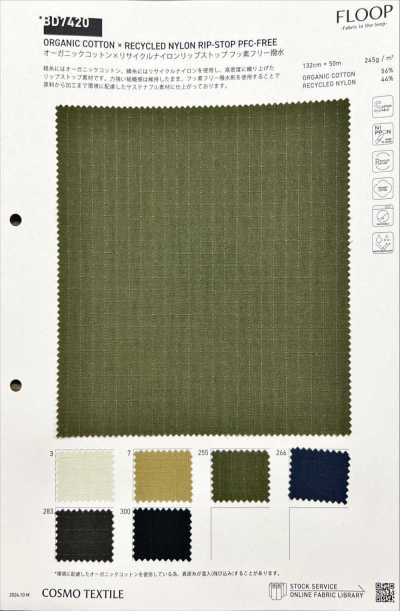
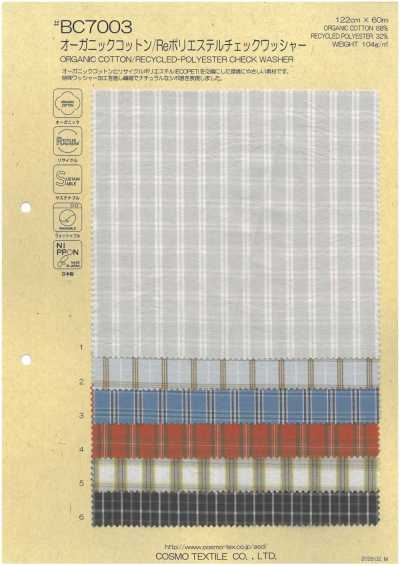
Organic cotton is cotton defined by cultivation standards and does not mean recycled raw material. There are also textiles that blend both. Recycled polyester also shares the use of recycled raw material, but the fiber type, physical properties, dyeing properties, and response to heat differ.
Frequently Asked Questions
Is recycled cotton a 100% cotton textile?
Not necessarily. To compensate for fibers shortened during the recycling process and to secure yarn strength and spinning stability, virgin cotton or polyester may be blended. Check the care tag, blend ratio, and textile specifications individually.
Is recycled cotton the same as organic cotton?
No, they are not the same. Recycled cotton is a raw-material category that reuses recovered fibers and offcuts, while organic cotton refers to cotton that meets cultivation standards. Because there are textiles that use both, check the blend ratio and basis for each in the labeling.
How can shrinkage be reduced in recycled cotton textiles?
Shrinkage is not determined only by whether recycled raw material is used; it varies depending on the structure, fabric weight, blended materials, and finishing process. Perform washing tests before mass production and consider scouring or shrink-proof finishing if necessary. It is important to reflect the confirmed shrinkage rate in the pattern.