Recycled Polyester
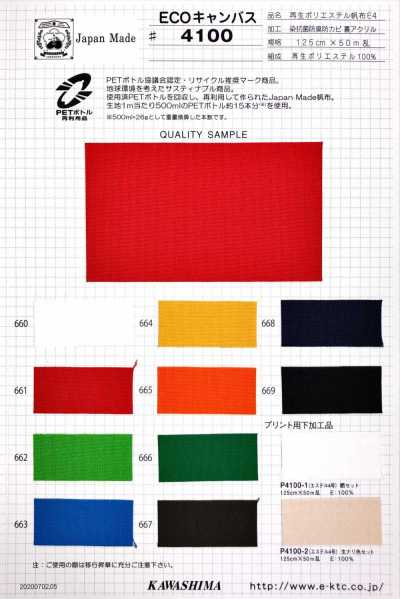
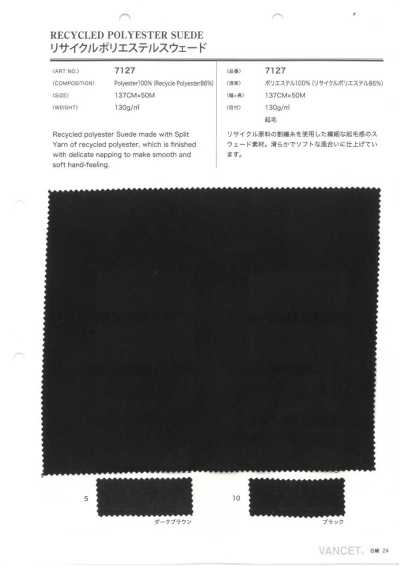
Recycled polyester is a polyester fiber made by reusing used products and polyester raw materials generated during the manufacturing process.
Contents6 sections
Definition and overview
Recycled polyester is a fiber made by reprocessing recovered polyester products and scrap or residual materials generated during manufacturing as raw material. In addition to a method that melts recycled raw material and turns it into fiber, there is also a method that chemically breaks down the raw material and uses it again as polyester raw material.
The origin of the raw material, the recycling method, and the blending ratio of recycled raw material vary by material. Therefore, even when something is labeled “recycled,” the proportion of recycled raw material in the entire product and the method used to verify traceability are not the same.
Characteristics
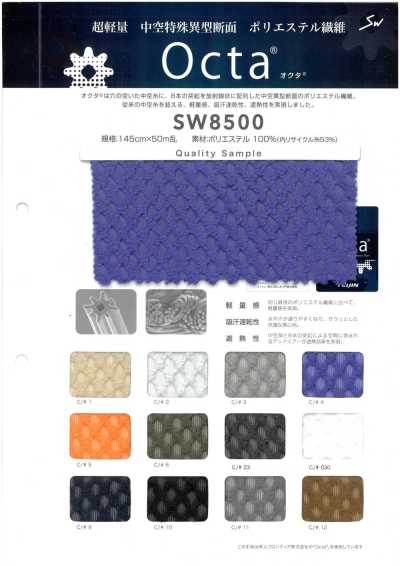
Like regular polyester, it tends to be strong, resists wrinkling, and dries relatively quickly. Depending on whether it is filament yarn or spun yarn, the thickness of the yarn, the weave or knit structure, and finishing, it can be designed for a wide range of textures from lightweight to heavyweight.
However, using recycled raw material alone does not uniformly determine the texture or function of the textile. For properties such as quick-drying absorbency, stretch, and water repellency, the yarn or knit/woven structure design and processing details need to be checked individually.
- Used for woven fabrics, knits, tape, ribbon, and more.
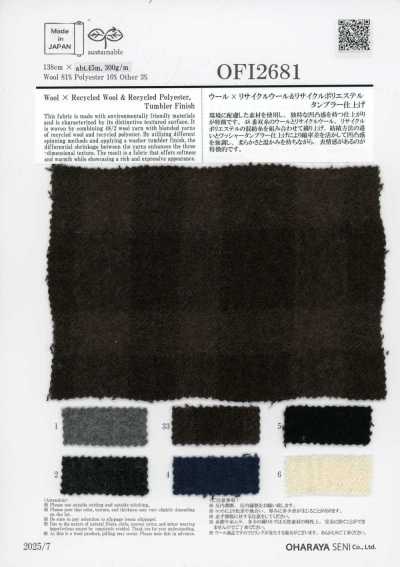
- Used on its own, as well as in blends with cotton, rayon, polyurethane, and more.
- Because it is easily deformed by heat, caution is needed during high-temperature processing.
Main applications
Used for apparel such as shirts, blouses, dresses, pants, jackets, coats, and cut-and-sew items. Taking advantage of its light weight and quick-drying properties, it may also be used for sportswear, uniforms, and outdoor items.
It is developed in a variety of structures and textile expressions such as taffeta, twill, tricot, and satin. When deciding on applications, in addition to whether recycled raw material is used, check fabric weight, density, thickness, stretch, and the required durability.
Selection and handling notes
For products that require environmental claims, confirm the origin of the recycled raw material, content percentage, and whether supporting documentation is available from the supplier. Depending on blended materials, laminates or coatings, and the composition of accessories, the entire product may not be made from the same recycled raw material.
In sewing, be careful of heat gloss and iron shine on lightweight fabrics, and needle holes and puckering on heavyweight or high-density items. Check sewing conditions and pressing conditions during prototyping, and before mass production evaluate shrinkage after washing, dimensional change, and the degree of color fading and transfer.
For washing and ironing, always follow the care label for each fabric or product. Because polyester can be sensitive to heat, avoid high-temperature dryer and iron settings, and be careful not to apply direct heat to prints, coatings, or finished surfaces.
Differences from similar terms
Polyester refers to all synthetic fibers made from petroleum-derived or similar raw materials, while recycled polyester is the subset that uses recycled raw material. Since both are classified as polyester as fiber names, quality and performance are judged by the individual fabric specification.
Bio-polyester may refer to polyester made with biomass raw materials such as plant-derived materials, and the idea of the raw material differs from recycled polyester, which uses recycled raw material. Also, recycled polyester does not mean biodegradable.
Frequently asked questions
Is recycled polyester different in quality from regular polyester?
Simply using recycled raw material does not mean it is always better or worse in quality than regular polyester. Strength, texture, dyeability, and durability vary depending on the recycling method, raw material management, yarn design, structure, and processing conditions. When adopting it, confirm with specifications and test results.
Can recycled polyester be labeled as an environmentally friendly material?
Using recycled raw material is one environmental initiative, but whether labeling is allowed and how it is expressed depend on the origin of the recycled raw material, content percentage, supporting evidence, and the labeling standards of the sales destination. It is important to confirm the material composition and processing of the entire product and avoid expressions that exceed the evidence.
Can recycled polyester be washed at home?
Many fabrics can be washed at home, but you cannot determine that from the material name alone. The appropriate washing method varies depending on blended fibers, knit/woven structure, processing such as water repellency or coating, and accessories. Always handle it based on the fabric test results and the product care label.